| [1] |
DONG Zhe, ZHAN Shijia.
Lithic technology of ancient hominins of the Guanshan site in Shuiyangjiang River Basin, Anhui Province
[J]. Acta Anthropologica Sinica, 2026, 45(05): 851-860.
|
| [2] |
REN Jincheng, LU Yao, CHEN Fuyou, WANG Fagang, LI Feng.
Stone artifacts unearthed in 1990 from the Banjingzi site locality 1
[J]. Acta Anthropologica Sinica, 2026, 45(05): 948-964.
|
| [3] |
PEI Shuwen, NIU Dongwei, MA Dongdong.
Discovery and scientific value of the Middle Pleistocene archaeological sites in the Nihewan Basin (Yuxian)
[J]. Acta Anthropologica Sinica, 2026, 45(03): 403-418.
|
| [4] |
NIU Dongwei, LIU Erfan, XUE Feng, XIE Fei.
Archaeological findings and research on hominin remains in the Huailai Basin, North China
[J]. Acta Anthropologica Sinica, 2026, 45(03): 419-435.
|
| [5] |
SHAN Jialu, LI Yixiao, WANG Fagang, GUO Yujie, LI Feng.
Preliminary study on the 2018 excavation of Xinmiaozhuang Locality 2 in the Nihewan Basin
[J]. Acta Anthropologica Sinica, 2026, 45(03): 447-461.
|
| [6] |
SHEN Ke, LI Feng, WANG Xiaomin, WANG Fagang, GUO Beiheng, GAO Xing.
Preliminary report on the 2023-2024 excavation of Banjingzi Locality 2 in Nihewan Basin, North China
[J]. Acta Anthropologica Sinica, 2026, 45(03): 462-477.
|
| [7] |
GUO Xiaoming, LIU Xizhen, LIU Heng, WANG Chunxue, WANG Fagang.
A report on 2019 excavation of the Yiduquan late Paleolithic site in the Nihewan Basin
[J]. Acta Anthropologica Sinica, 2026, 45(03): 478-488.
|
| [8] |
WANG Xinrui, ZHANG Zhiyao, HUANG Bingrou, WANG Fagang, GUO Yujie.
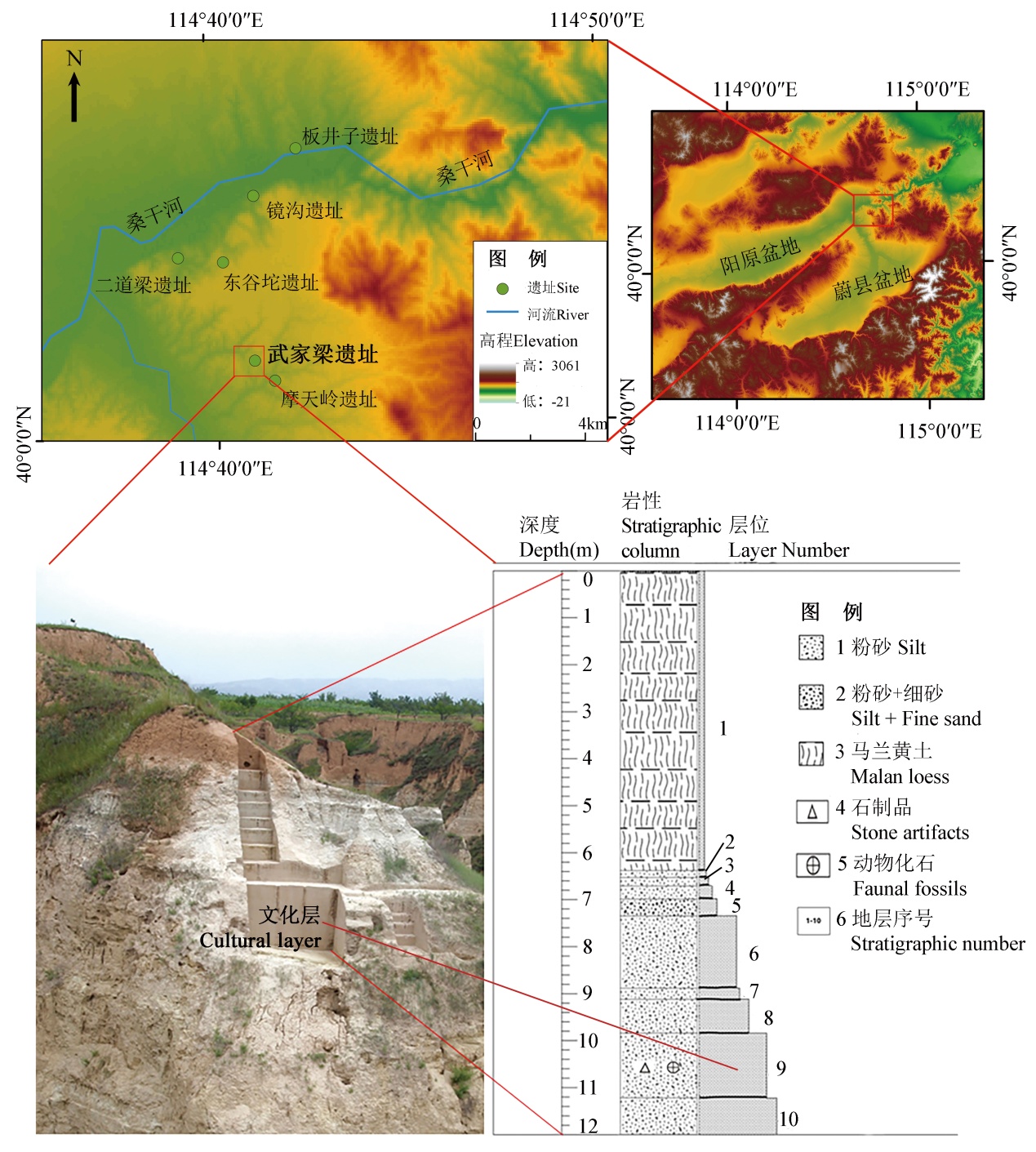
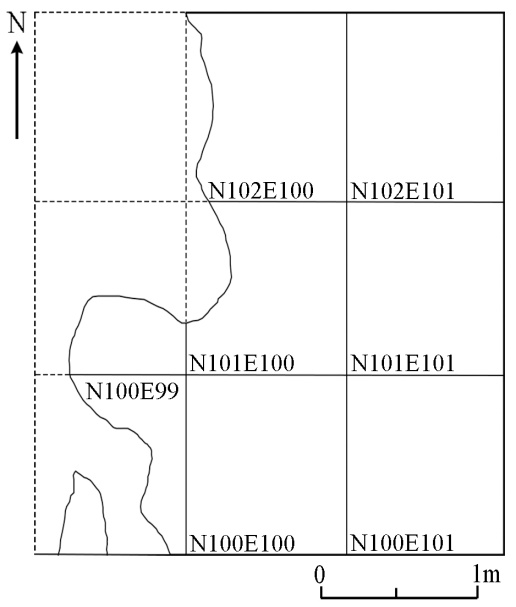
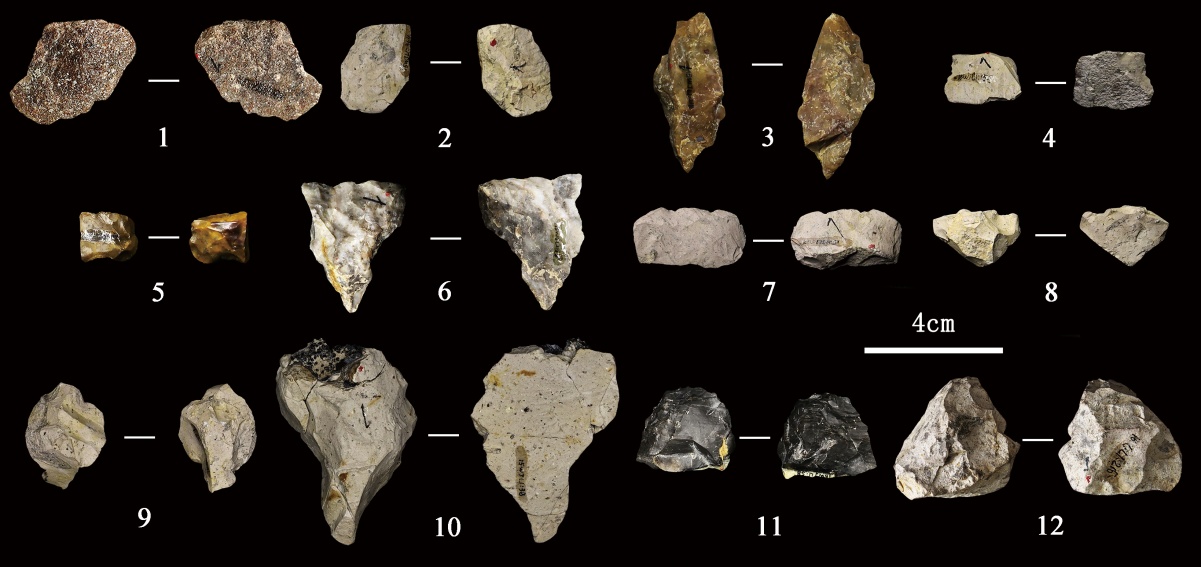
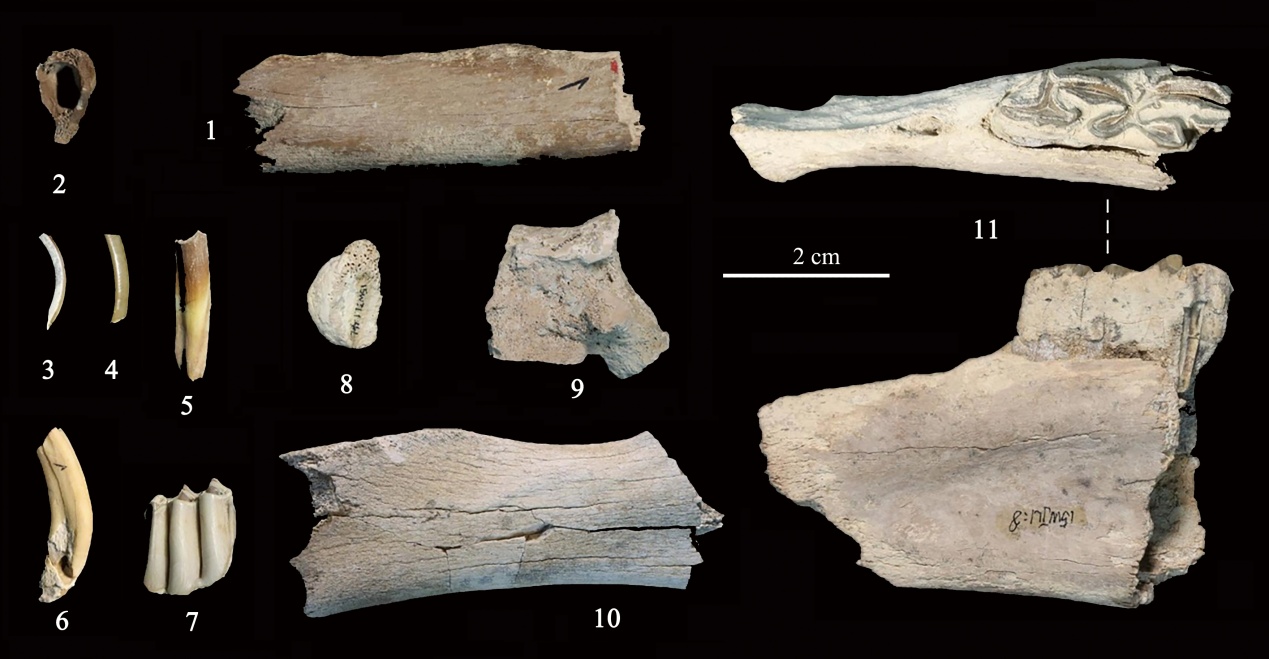
Luminescence dating of the Paleolithic site of Wujialiang Locality 1 in the Nihewan Basin
[J]. Acta Anthropologica Sinica, 2026, 45(03): 489-499.
|
| [9] |
GENG Shuaijie, PEI Shuwen, DU Yuwei, XU Jingyue, YE Zhi, LIU Ziyi.
A preliminary report on the excavation of Caijiagou-A Paleolithic site in Yuxian, Nihewan Basin
[J]. Acta Anthropologica Sinica, 2026, 45(03): 500-514.
|
| [10] |
YE Zhi, PEI Shuwen, MA Dongdong, JIA Zhenxiu, WANG Fagang, YANG Haiyong.
Preliminary report on the excavation of Qianshangying-B Paleolithic site at Yuxian in the Nihewan Basin
[J]. Acta Anthropologica Sinica, 2026, 45(03): 515-531.
|
| [11] |
ZHAO Yongsheng, LIU Lianqiang, LIU Heng, YANG Haiyong, GAO Jianqiang, ZHANG Zhen, WANG Fagang.
A report on 2013 excavation of the Nantaizi site in Nihewan Basin
[J]. Acta Anthropologica Sinica, 2026, 45(03): 532-542.
|
| [12] |
LIU Ziyi, GENG Shuaijie, DING Xin, XU Jingyue, YE Zhi, NIU Dongwei, PEI Shuwen.
Taphonomic history of Beiguanbu site Loc. B at Yuxian, Nihewan Basin
[J]. Acta Anthropologica Sinica, 2026, 45(03): 556-569.
|
| [13] |
DU Yuwei, GENG Shuaijie, XU Jingyue, YE Zhi, ZHANG Yue, MA Dongdong, PEI Shuwen.
Taphonomic observation of the faunal remains from Locality A and B of the Caijiagou site in the Nihewan Basin
[J]. Acta Anthropologica Sinica, 2026, 45(03): 570-585.
|
| [14] |
LIU Erfan, GAO Jiaxuan, NIU Dongwei.
Stone artifacts from the Zhuwobu site in Huailai Basin of Hebei
[J]. Acta Anthropologica Sinica, 2026, 45(03): 600-608.
|
| [15] |
YAO Yanyan, AI Wanting, HU Minhang, FU Qiongyao, LI Guoshan, ZHONG Jiemei, HU Pengcheng, HUANG Shengmin, TIAN Chun, LIANG Hua, LIAO Wei, WANG Wei, YI Zhixing.
Gigantopithecus blacki discovered in the Early-Middle Pleistocene transition phase in Yanli Cave 1, Chongzuo, Guangxi
[J]. Acta Anthropologica Sinica, 2026, 45(02): 199-209.
|