Acta Anthropologica Sinica ›› 2026, Vol. 45 ›› Issue (04): 639-650.doi: 10.16359/j.1000-3193/AAS.2025.0053

• Research Articles • Previous Articles     Next Articles

Further investigation and research on the Emaokou site in Huairen, Shanxi

LAN Zhixiong1(), LI Yunfei2, LI Jun1()   

  1. 1 School of Archaeology and Museology, Shanxi University, Taiyuan 030006
    2 Department of Archaeology, Pusan National University, Pusan 46241, Republic of Korea
  • Received:2024-11-21 Revised:2025-03-13 Online:2026-08-15 Published:2026-08-12

Abstract:

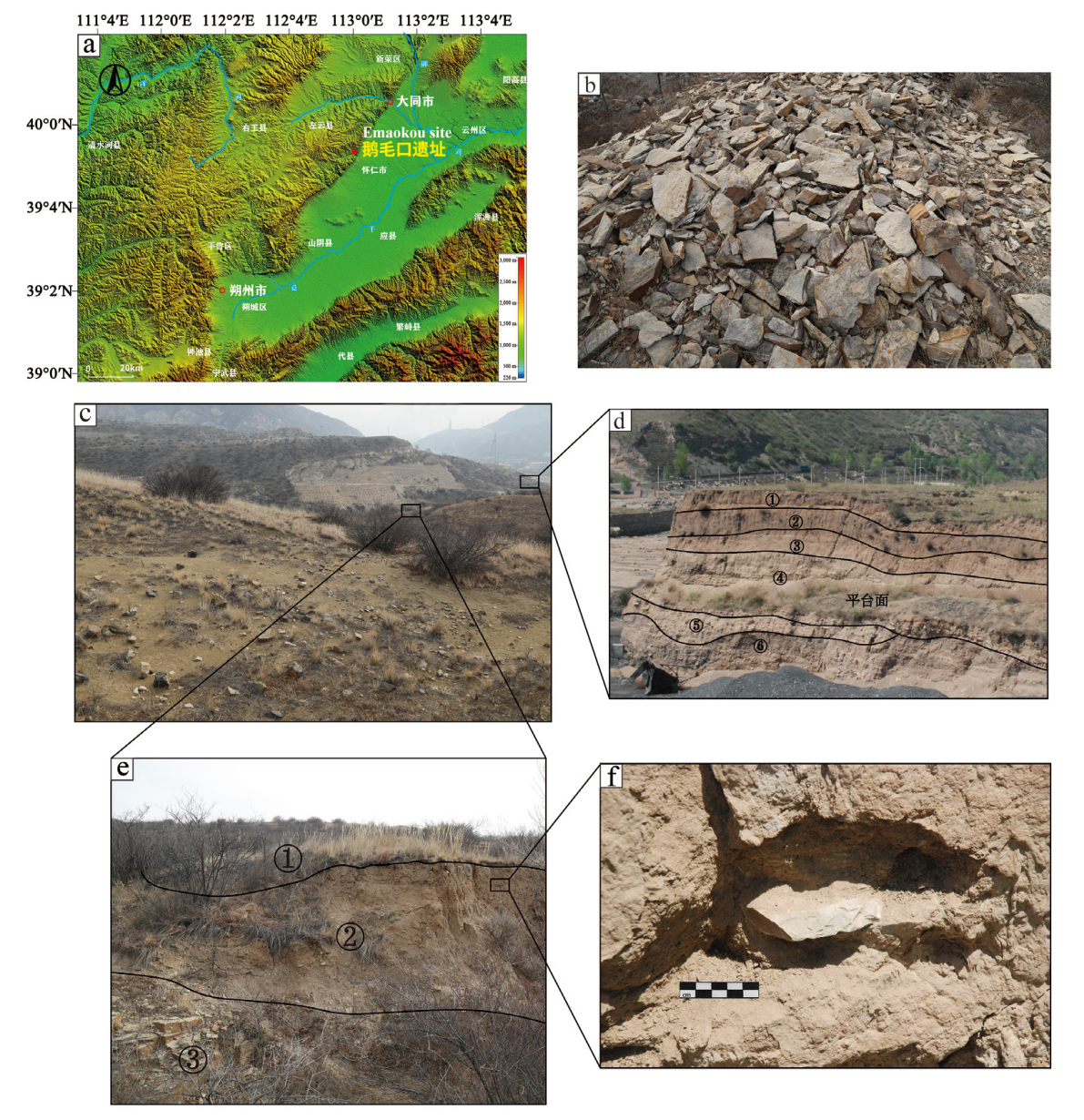
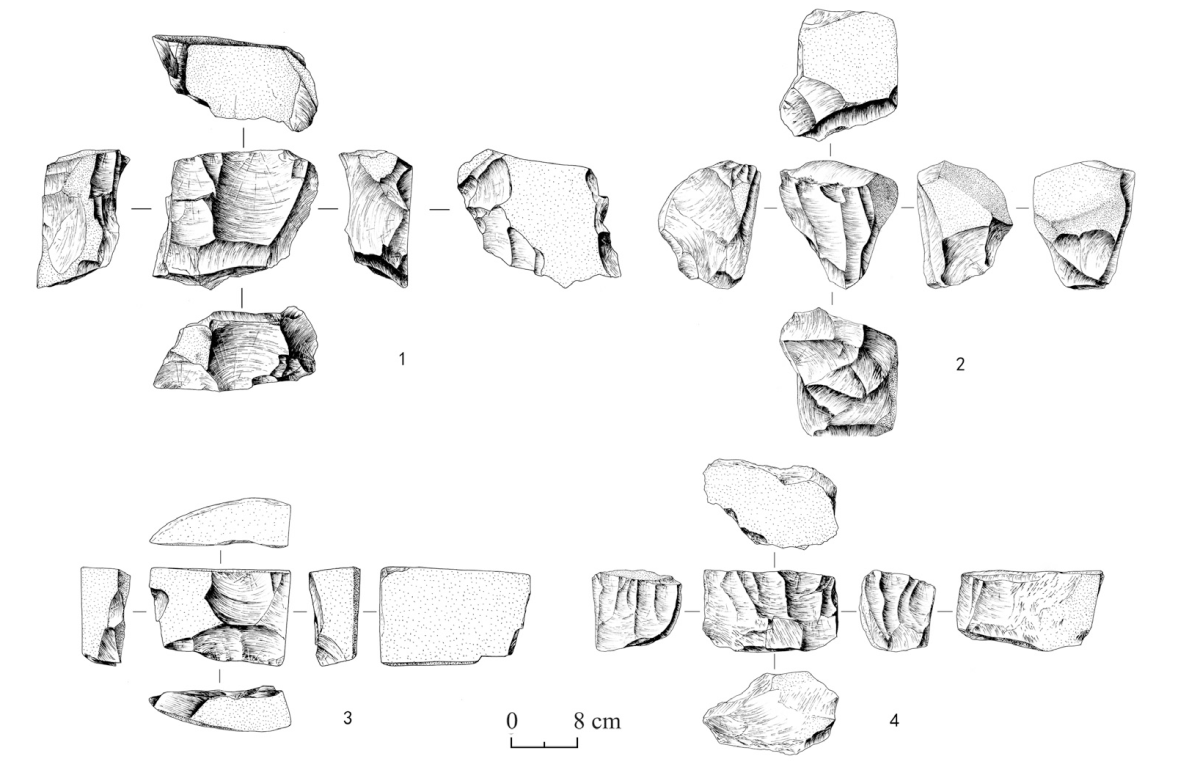
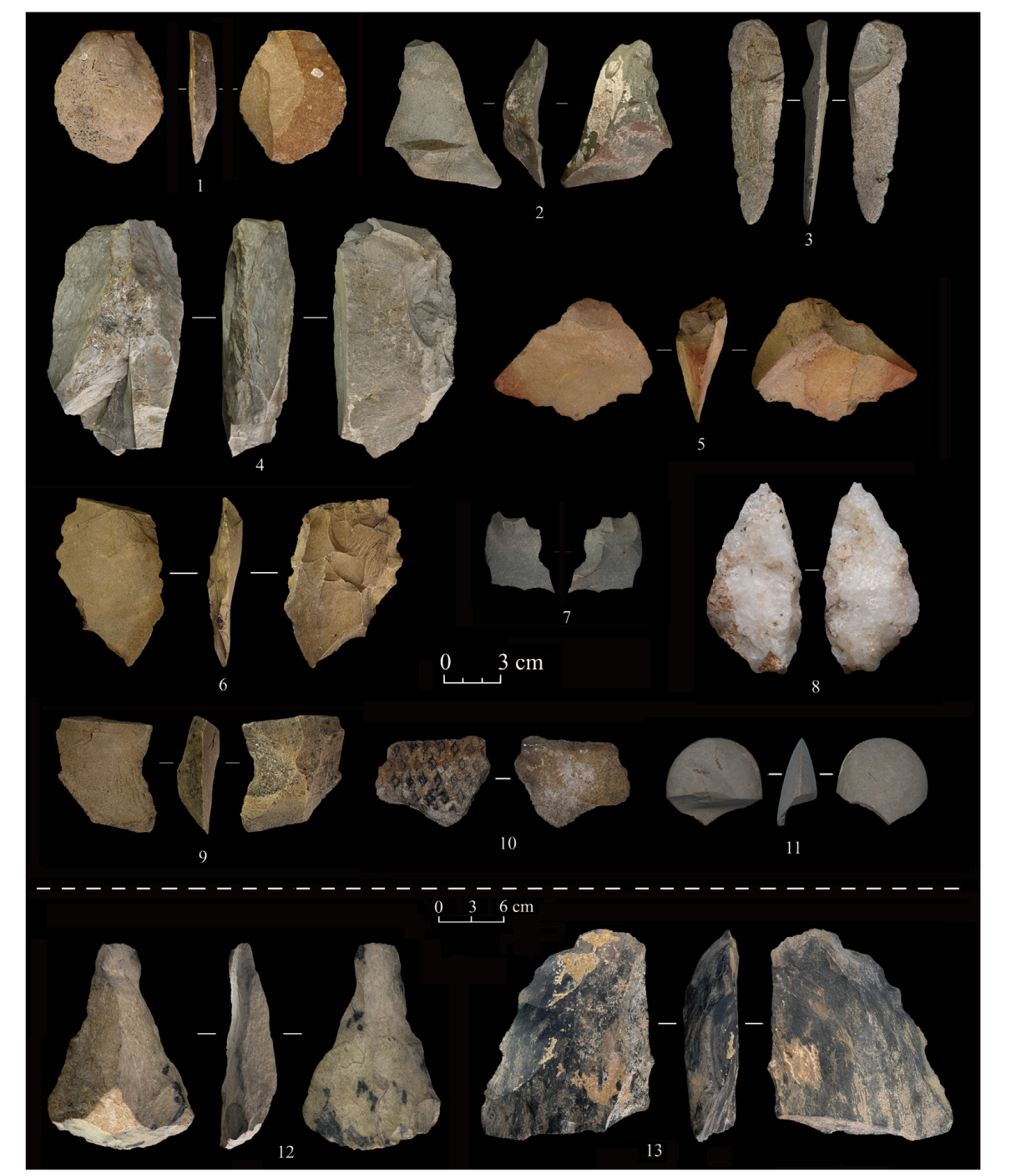
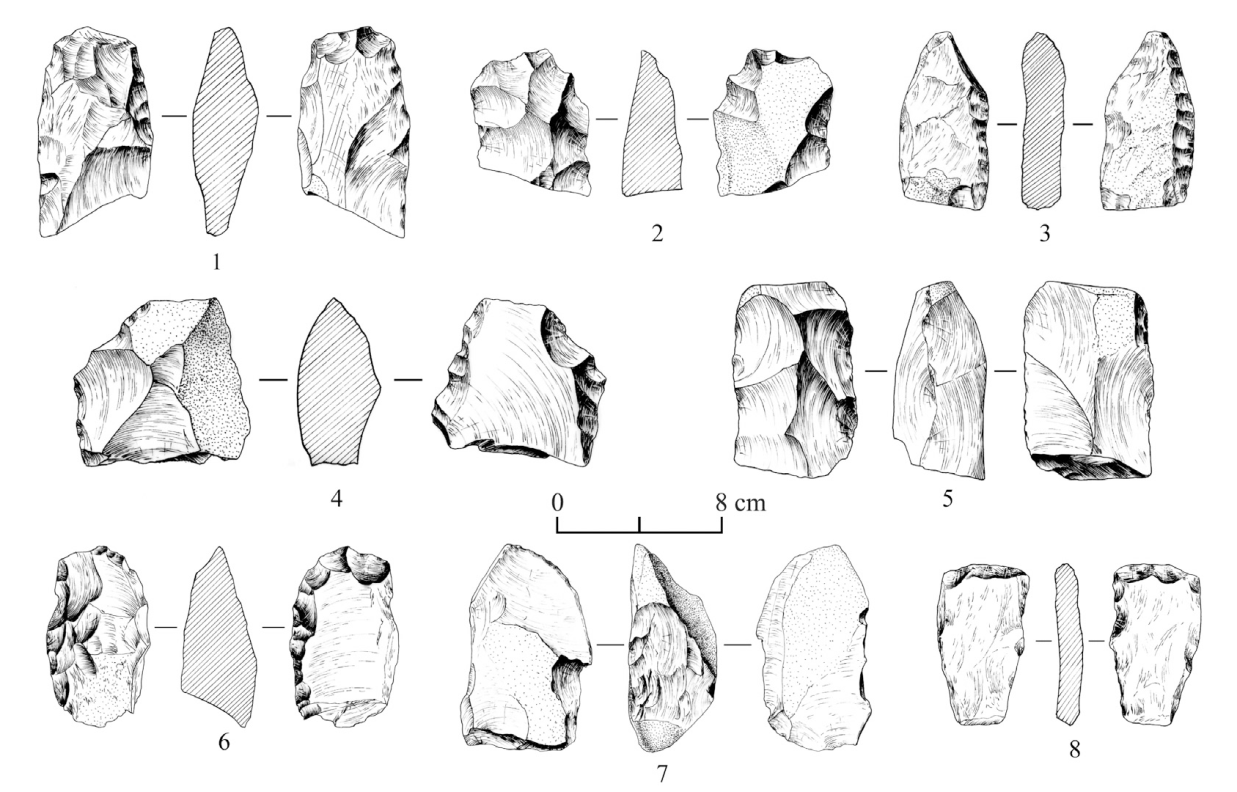
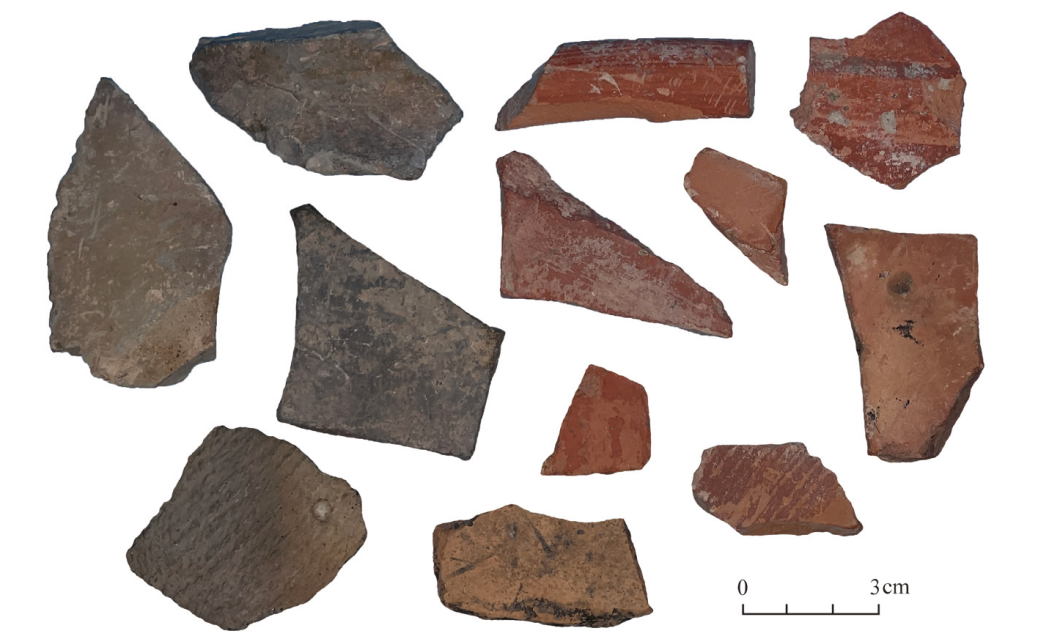
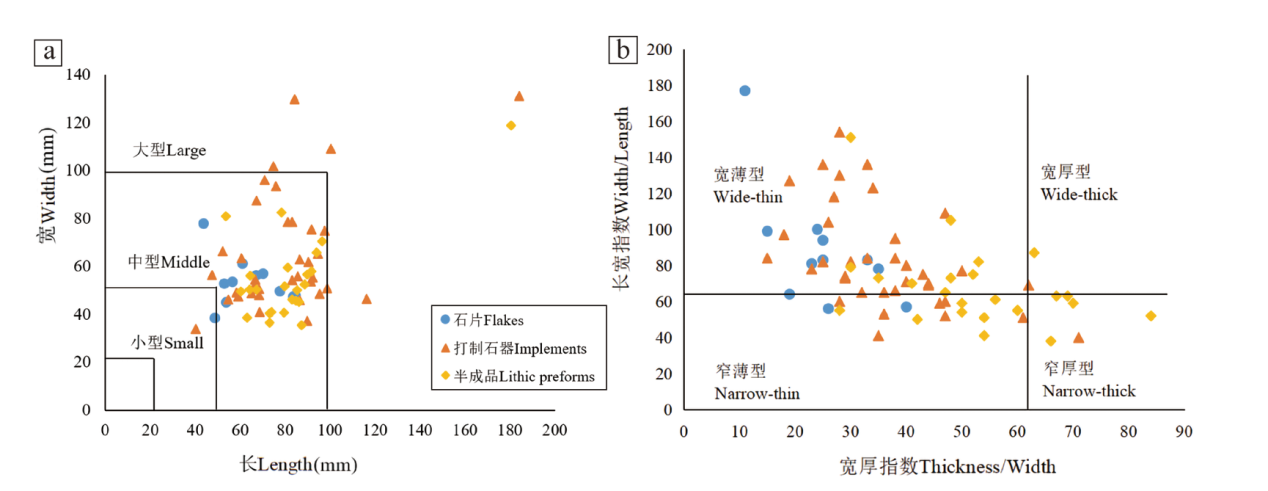
The Emaokou site is located in Emaokou Village, Huairen City, Shuozhou City, Shanxi Province, occupying the western edge of the Datong Basin on the first and second terraces of the Emaokou River, a tributary of the Sanggan River. Discovered in 1963 during investigations by Prof. Jia Lanpo, the site underwent subsequent surveys by the School of Archaeology and Museology Shanxi University in 2016, 2022 and 2024. These investigations yielded a total of 103 stone artifacts and 12 pottery sherds. Among these, semi-finished artifacts constitute the most distinctive and representative category. Through quantitative and qualitative analyses, this study aims to clarify the functional nature of the site and establish its chronological framework. The stone artifacts at Emaokou predominantly utilized tuff and basalt, with raw material analysis suggesting local collection. The core reduction process utilized direct hard-hammer percussion devoid of preparatory platform modification or ventral surface regularization, indicative of an expedient reduction strategy, while core exploitation predominantly adhered to multidirectional rotation patterns. Flakes are predominantly irregular. The tools include finished tools made from medium-to-large flakes, dominated by scrapers and choppers, as well as larger tools with Neolithic characteristics, such as stone axes, hoes, sickles, and shovels. Notably, there are numerous semi-finished artifacts, mainly axe-shaped implements, which require further polishing.

Functioning as a lithic workshop, the Emaokou site spans from the Late Paleolithic to the Late Neolithic periods. Diachronic analysis reveals evolving functional roles: during the Late Paleolithic, it served as a tool-manufacturing station and habitation site. During the Early Neolithic, the Emaokou site functioned as a lithic processing center for surrounding inhabitants, potentially linked to early agricultural development. By the Middle-Late Neolithic, it persisted as a manufacturing center while simultaneously functioning as a temporary production and daily activity locus for surrounding inhabitants. The standardized reduction sequences evident in semi-finished artifacts imply the existence of a large-scale Neolithic settlement site in the vicinity. The integrated techno-typological analysis of lithic assemblages from the Emaokou site provides novel perspectives on the Neolithic cultural chronology of the Sanggan River Basin within the Datong Basin. Furthermore, it also offers important information for exploring the behavioral activities and adaptive survival strategies of the Holocene inhabitants in the region.

Key words: Emaokou, lithic manufacturing site, knapped artifacts, semi-finished artifacts, Neolithic

CLC Number: