| [1] |
LYU Hongliang, CHEN Yun, TRINLE Tsering, HAN Fang.
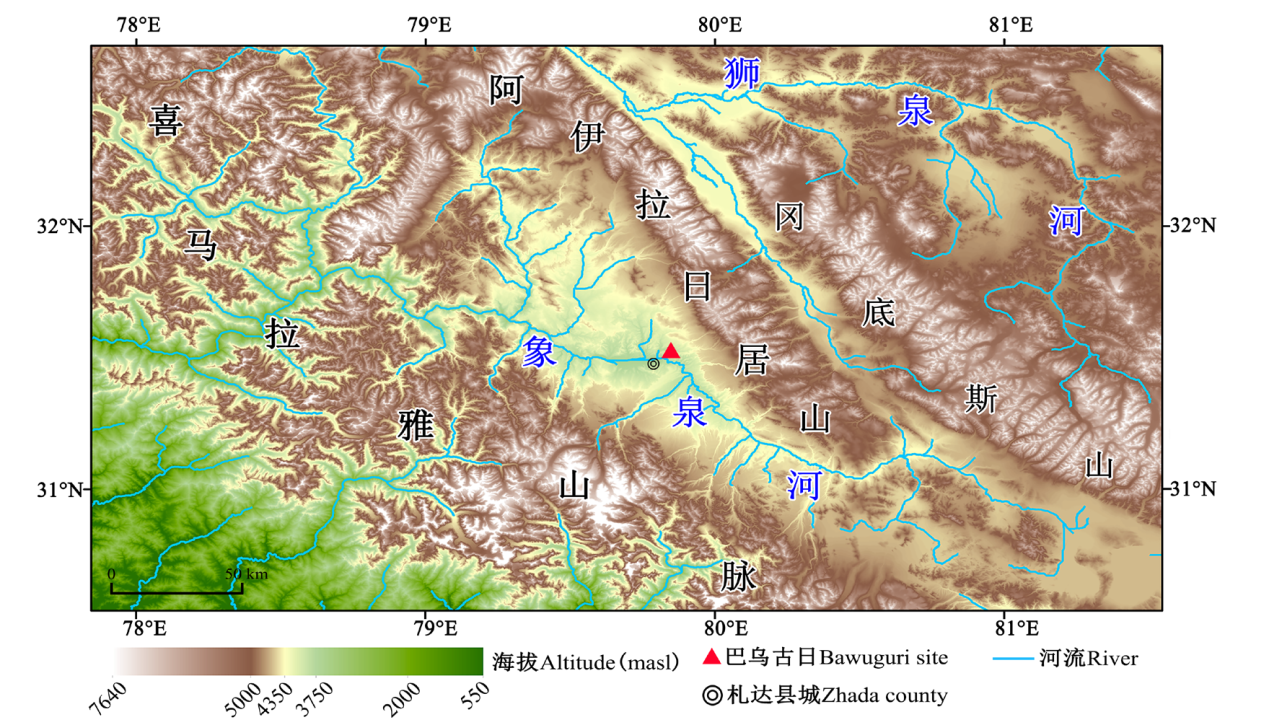
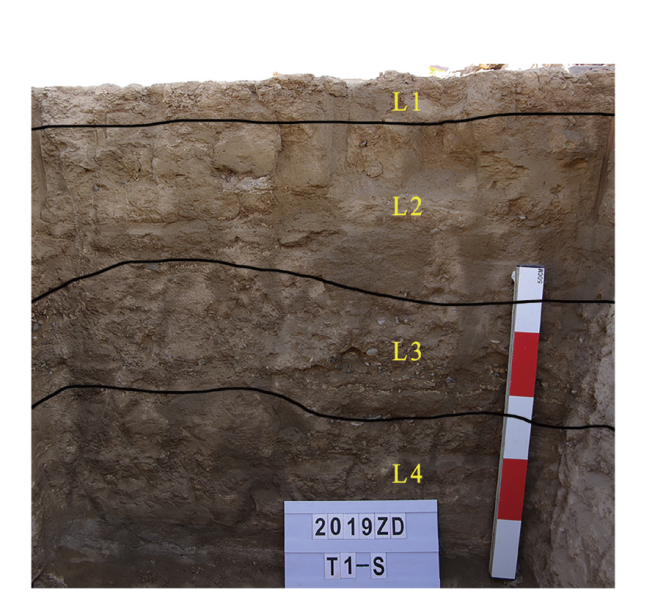
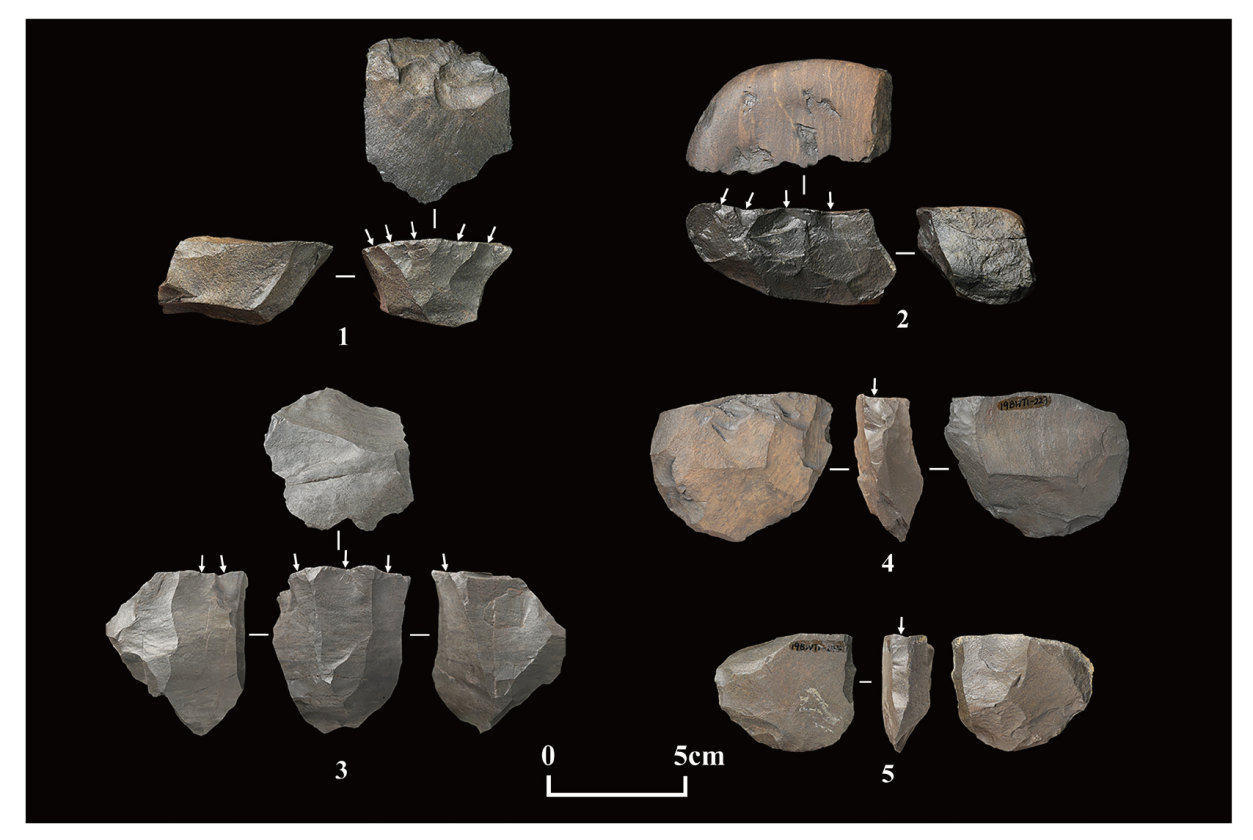
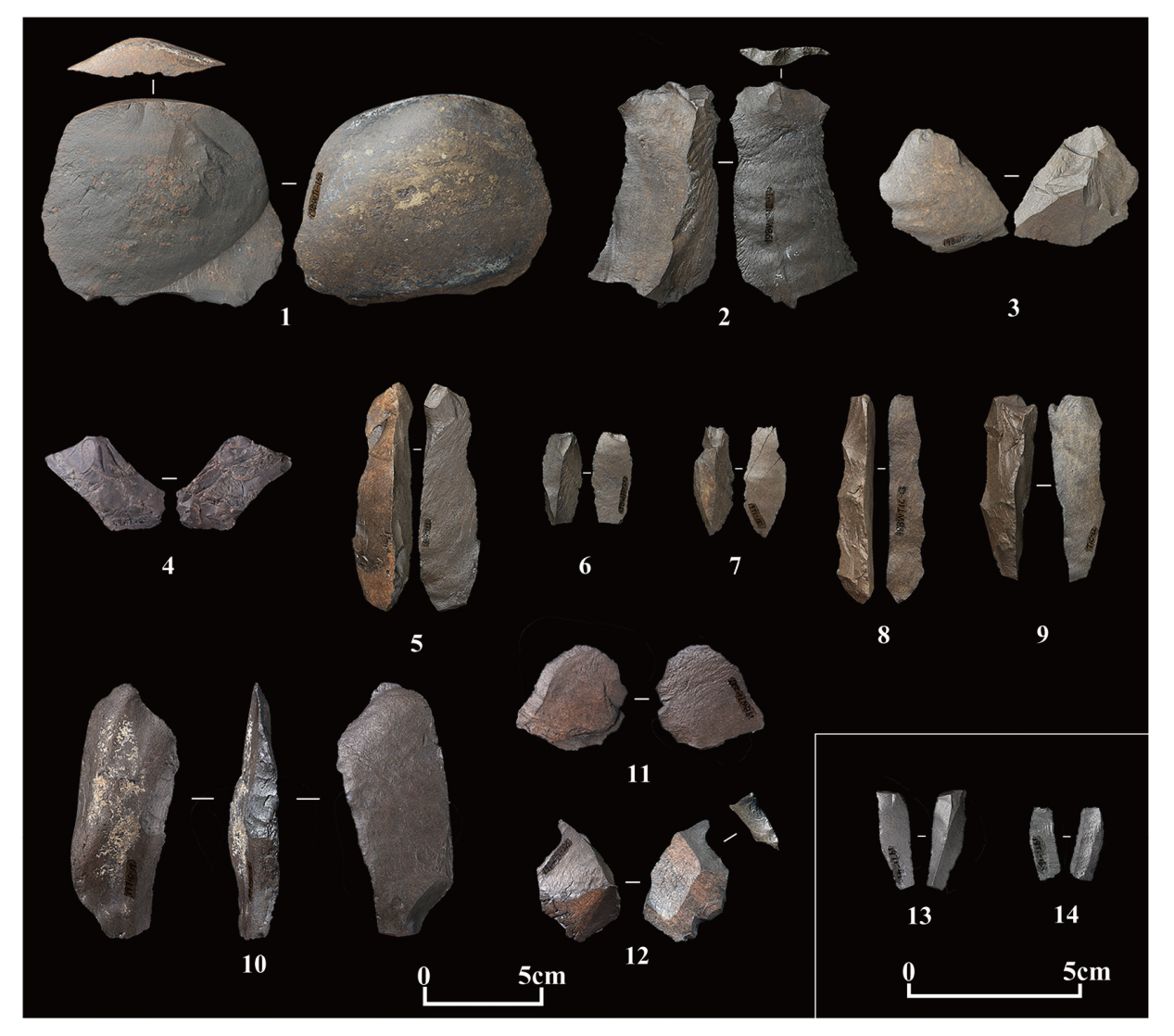
A 2020 excavation report of the Xiada Co site in Rutog County, Xizang Autonomous Region
[J]. Acta Anthropologica Sinica, 2026, 45(04): 773-789.
|
| [2] |
NIU Dongwei, LIU Erfan, XUE Feng, XIE Fei.
Archaeological findings and research on hominin remains in the Huailai Basin, North China
[J]. Acta Anthropologica Sinica, 2026, 45(03): 419-435.
|
| [3] |
SHAN Jialu, LI Yixiao, WANG Fagang, GUO Yujie, LI Feng.
Preliminary study on the 2018 excavation of Xinmiaozhuang Locality 2 in the Nihewan Basin
[J]. Acta Anthropologica Sinica, 2026, 45(03): 447-461.
|
| [4] |
SHEN Ke, LI Feng, WANG Xiaomin, WANG Fagang, GUO Beiheng, GAO Xing.
Preliminary report on the 2023-2024 excavation of Banjingzi Locality 2 in Nihewan Basin, North China
[J]. Acta Anthropologica Sinica, 2026, 45(03): 462-477.
|
| [5] |
JIA Zhenxiu, TINLEY Tsring, LI Hao, TONG Yan, SHARGAN Wangdue, CHEN Fahu.
A preliminary report of the 2021-2022 paleolithic archaeological survey in Duilong River valley, Lhasa, Xizang
[J]. Acta Anthropologica Sinica, 2025, 44(06): 1083-1093.
|
| [6] |
ZHANG Weilin, YAN Maodu, ZAN Jinbo, MIAO Yunfa, SONG Xiangsuo, ZHANG Tao, XU Zunbo, Cairangdaoji , RUAN Qijun, LI Hao.
Evolution of Cenozoic geomorphology in the Yuanmou hominin site area
[J]. Acta Anthropologica Sinica, 2025, 44(06): 952-966.
|
| [7] |
HE Cunding, LYU Lanxi.
Lithic technology models and human adaptation behaviors of the Yumidong site in Chongqing
[J]. Acta Anthropologica Sinica, 2025, 44(02): 210-219.
|
| [8] |
ZHANG Xiaoling, WANG Chengxiang, TAN Yunyao, JIN Yingshuai, YANG Ziyi, WANG Shejiang.
Paleolithic discoveries and research on the Tibetan Plateau
[J]. Acta Anthropologica Sinica, 2024, 43(06): 967-978.
|
| [9] |
HAN Fang, LI Jiyuan, QIAO Hong, XU Hailun, HE Honglin, GAO Xuan, LYU Hongliang, DU Zhanwei, CAI Linhai, ZHEN Qiang, MA Wenling.
New discoveries of microblade sites in the Qinghai Lake region
[J]. Acta Anthropologica Sinica, 2024, 43(05): 839-852.
|
| [10] |
AI Lan, TIAN Chun, LI Dawei, LI Jinyan, WANG Wei.
An excavation report of the Dingmo site in Tiandong of Guangxi
[J]. Acta Anthropologica Sinica, 2024, 43(02): 298-313.
|
| [11] |
GAO Xing, ZHANG Yueshu, LI Feng, CHEN Fuyou, WANG Xiaomin, YI Mingjie.
Preliminary Report on the 2016-2019 Excavation of the Donggutuo Paleolithic Site in the Nihewan Basin, North China
[J]. Acta Anthropologica Sinica, 2024, 43(01): 106-121.
|
| [12] |
Omry BARZILAI.
The origins and destinations of the Levantine Initial Upper Paleolithic: A view from the Negev Desert, Israel
[J]. Acta Anthropologica Sinica, 2023, 42(05): 626-637.
|
| [13] |
GAO Yao, WANG Hua, LANG Jianfeng.
Utilization of the Chinese water deer of early Holocene by human from the Xiaogao site, Shandong Province
[J]. Acta Anthropologica Sinica, 2023, 42(02): 238-247.
|
| [14] |
GUAN Ying, ZHOU Zhenyu.
Data science in Paleolithic Archaeology
[J]. Acta Anthropologica Sinica, 2022, 41(01): 169-179.
|
| [15] |
Ignacio de la TORRE, Rafael MORA, PEI Shuwen, MA Dongdong.
A methodological protocol for the analysis of Early Stone Age lithic assemblages
[J]. Acta Anthropologica Sinica, 2021, 40(04): 547-567.
|