Acta Anthropologica Sinica ›› 2026, Vol. 45 ›› Issue (01): 46-58.doi: 10.16359/j.1000-3193/AAS.2025.0017

• Research Articles • Previous Articles     Next Articles

Simulation experiment on the flaking of boat-shaped core from the Erdaoliang site in the Nihewan Basin

TONG Guang1,2(), LI Feng3,4(), GAO Xing2,5   

  1. 1. Hebei Provincial Institute of Cultural Relics and Archaeology, Shijiazhuang 050031
    2. Key Laboratory of Vertebrate Evolution and Human Origins of Chinese Academy of Sciences, Institute of Vertebrate Paleontology and Paleoanthropology, Chinese Academy of Sciences, Beijing 100044
    3. Center for the Study of Chinese Archaeology, Peking University, Beijing 100871
    4. School of Archaeology and Museology, Peking University, Beijing 100871
    5. University of the Chinese Academy of Sciences, Beijing 100049
  • Received:2024-03-17 Accepted:2024-08-15 Online:2026-02-15 Published:2026-02-13

Abstract:

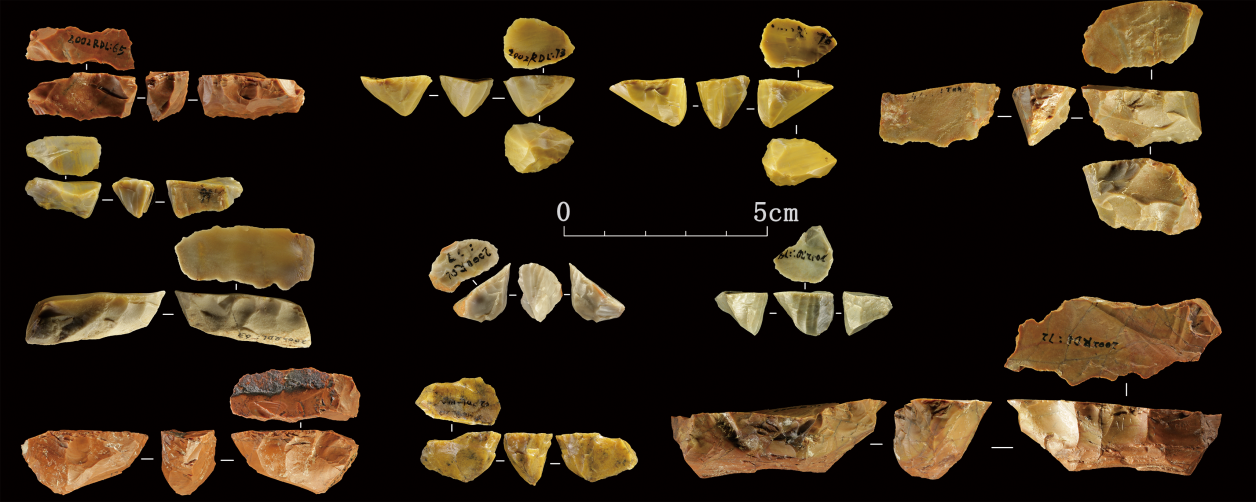
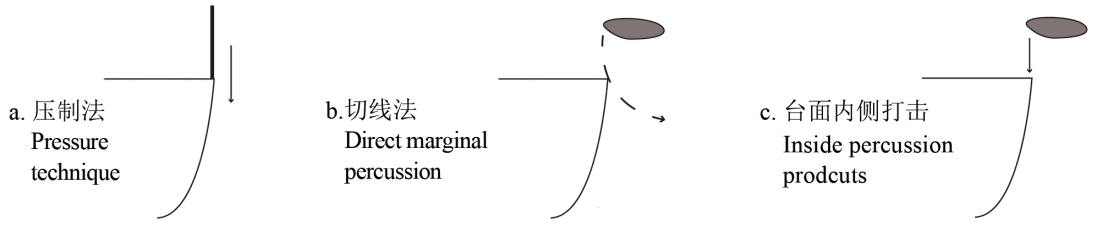
Although the boat-shaped core is regarded as a distinct lithic technology, it has been categorized within microblade technology. Arguments regarding its morphological characteristics, preparation methods, and classification are prevalent in scientific literature. Similar to other microblade technologies, research on boat-shaped cores has primarily concentrated on the preparation of their cores, which has been extensively explored by researchers. However, there has been relatively little investigation into its percussion technique. The percussion technique plays a crucial connecting role in microblade technology, restricting the structure of fine stone nuclei and influencing the morphology of fine stone blades. Moreover, the study of percussion technology can aid in the identification of microblade technology.

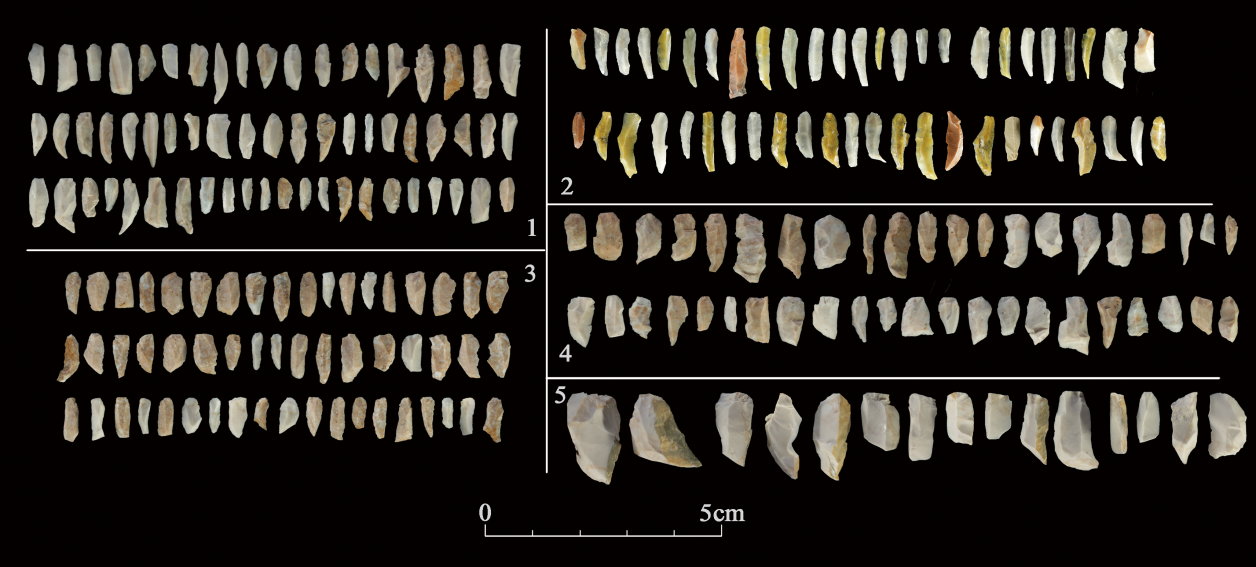
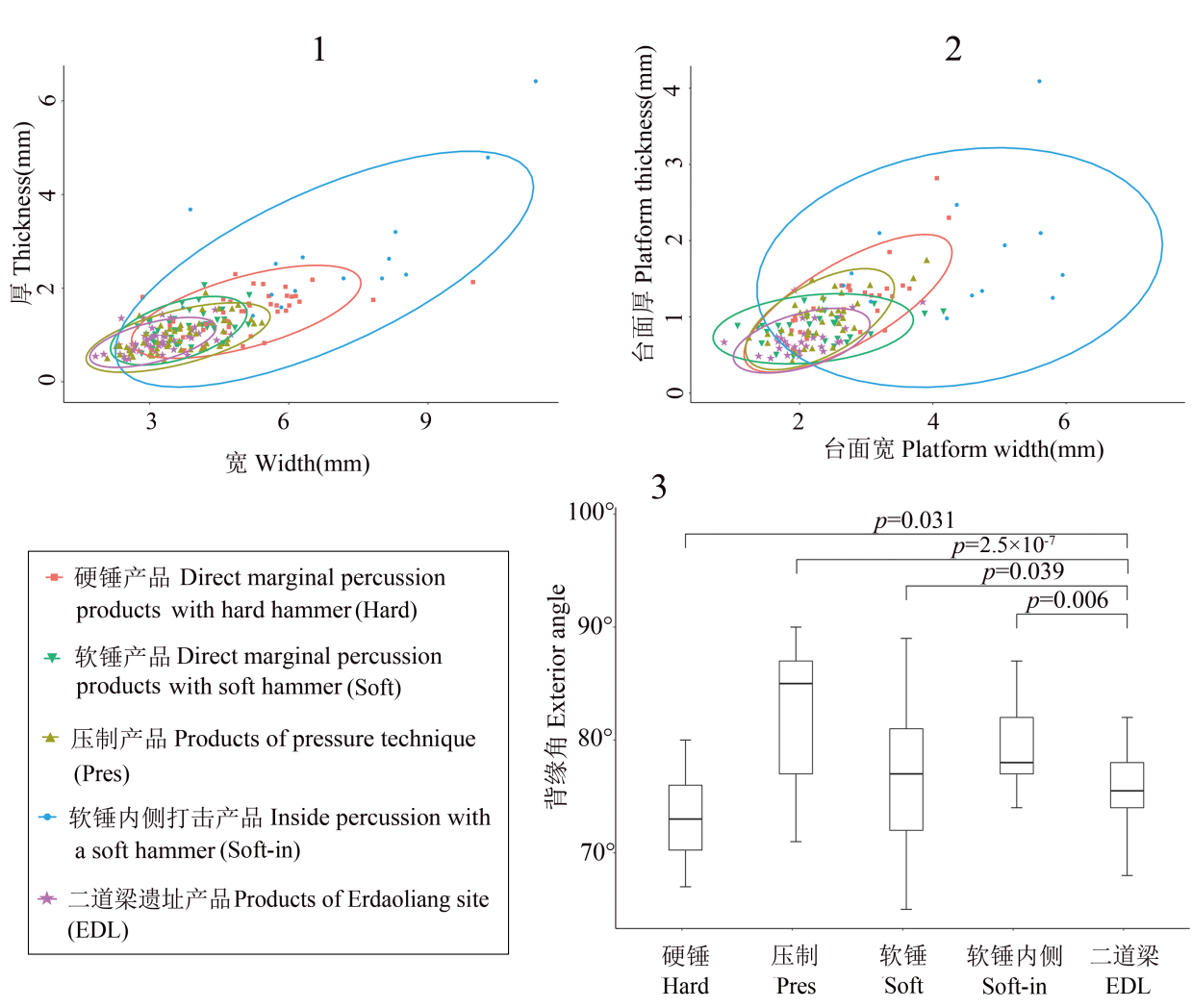
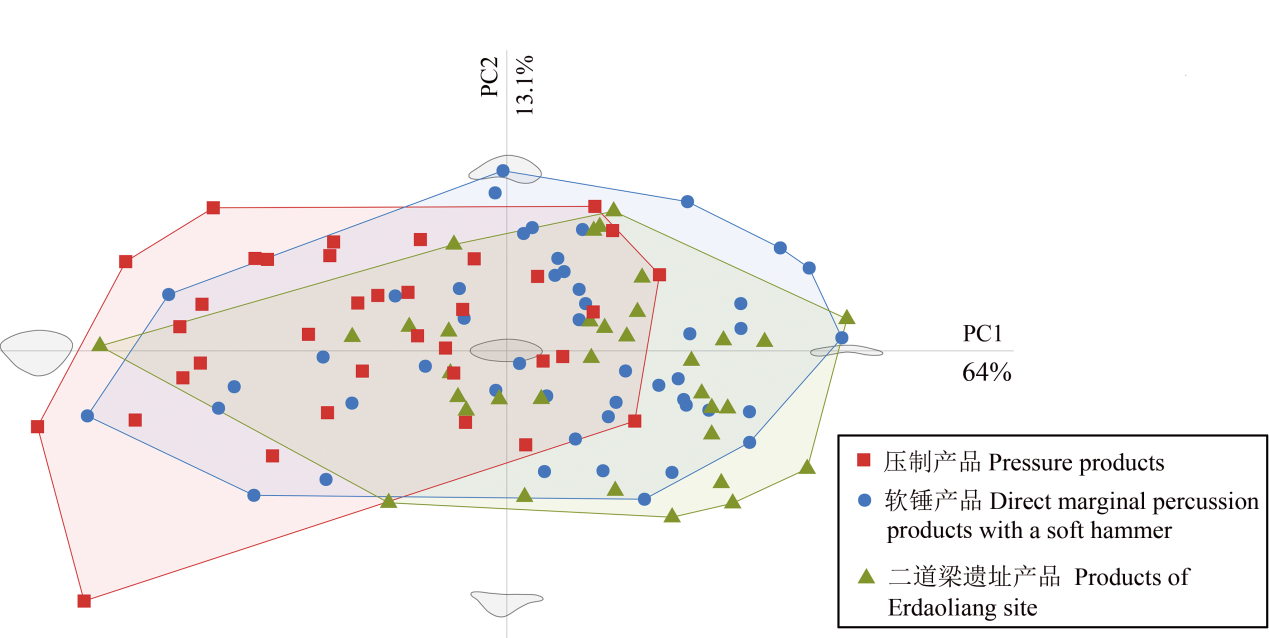
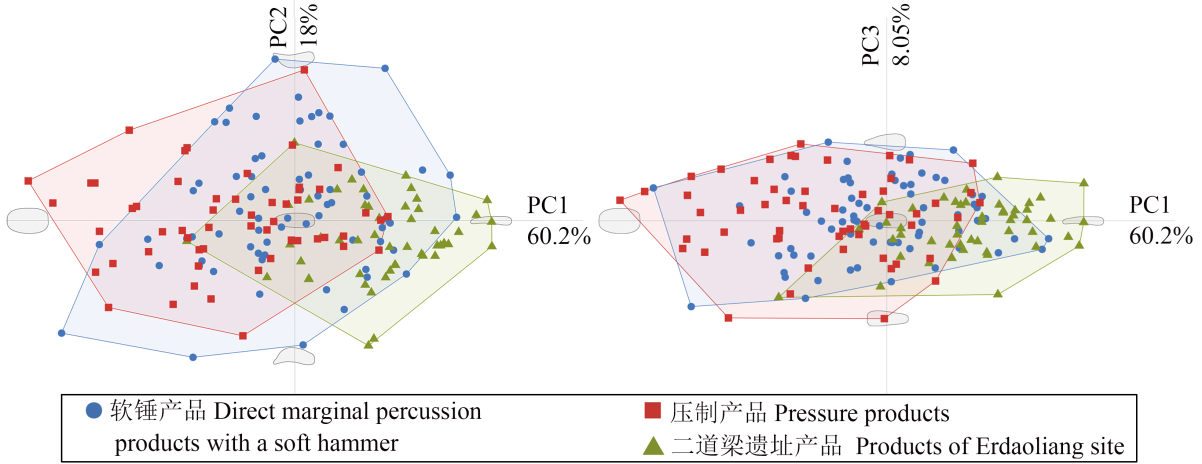
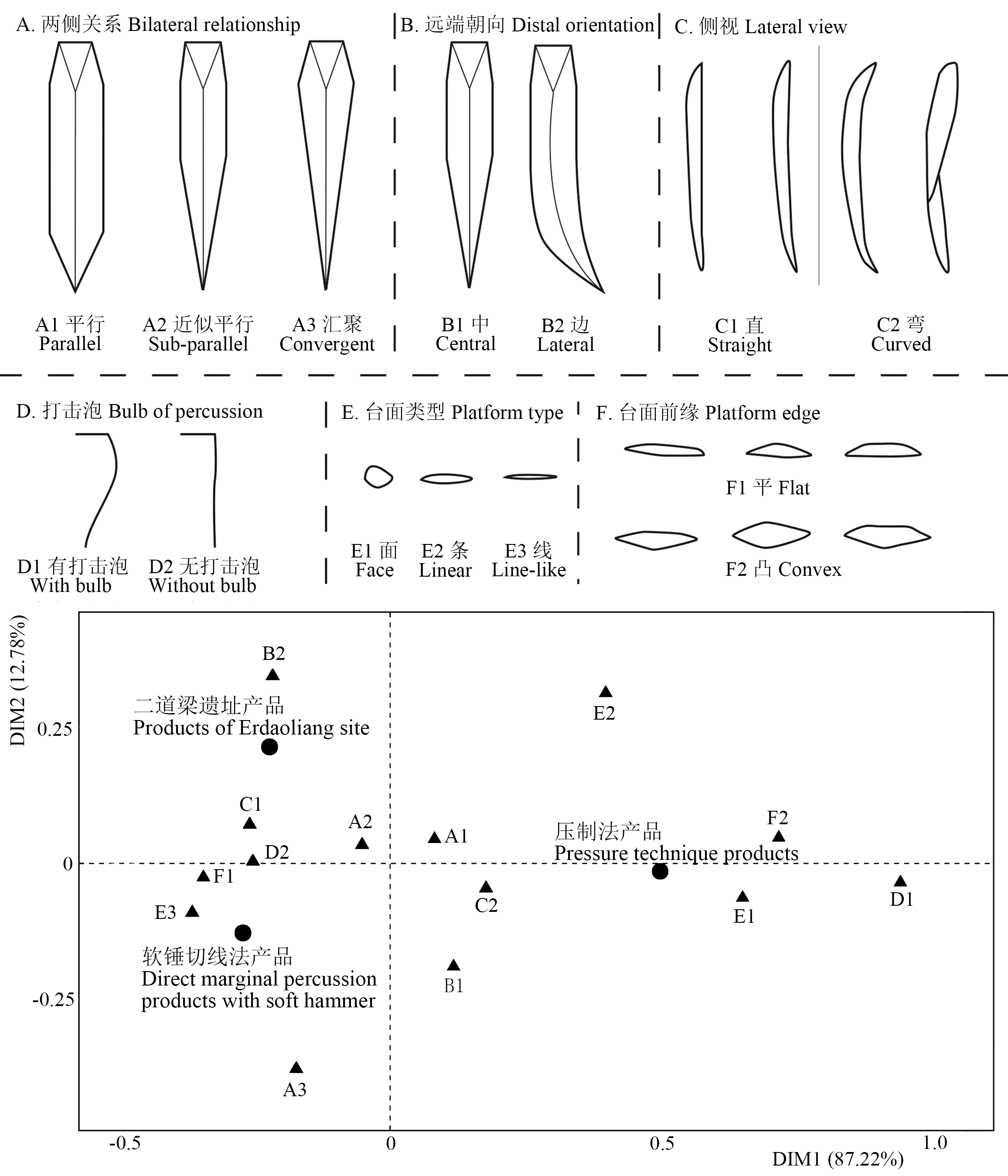
The aim of this study is to determine the percussion technique for the boat-shaped core by using archaeological materials from the Erdaoliang site in the Nihewan Basin, North China. To identify the striking technique of the boat-shaped cores, a research paradigm was developed that integrated stone-knapping experiments with quantitative analysis. A sample of bladelets was obtained using various percussion techniques, such as pressure, direct percussion with a hard hammer, direct percussion with a soft hammer, and others. These experimental products were then compared with archaeological materials using quantitative methods. Traditional linear data analysis, which involved parameters like thickness and width, along with geometric morphometric and correspondence analysis, was employed to assess the similarity between the experimental samples and the bladelets from the Erdaoliang site. Bladelet length was not used in linear data analysis because it is easily affected by factors other than the percussion technique. Ellipse Fourier analysis was utilized to analyze the platform and outline (ventral side down) of the bladelets. The analysis shows that the archaeological materials from the Erdaoliang site are similar in width, thickness, etc. to the products of pressure and direct percussion with a soft hammer. However, their exterior angles are closer to those of direct percussion with a soft hammer and smaller than those of pressure products. The Ellipse Fourier analysis yielded consistent results. The correspondence analysis also indicates that the products of soft-hammer flaking are more similar to the Erdaoliang bladelets.

Based on the quantitative study, the bladelets from the Erdaoliang site were most likely produced using the soft-hammer technique, which differs from microblade technology in that it involves pressure flaking. Therefore, boat-shaped cores should be considered within the context of bladelet technology rather than microblade technology. This finding contributes to a better understanding of the diversity of microblade and bladelet technologies in the Upper Paleolithic of Northeast Asia, as well as the diffusion patterns and environmental adaptations of different late Upper Paleolithic technologies.

Key words: experimental archaeology, boat-shaped cores, soft hammer percussion, bladelets

CLC Number: