人类学学报 ›› 2026, Vol. 45 ›› Issue (04): 773-789.doi: 10.16359/j.1000-3193/AAS.2025.0077cstr: 32091.14.j.1000-3193/AAS.2025.0077

• 简报/发掘报告 • 上一篇    下一篇

2020年西藏自治区日土县夏达错遗址发掘报告

吕红亮1,2(), 陈云1,2, 赤列次仁3, 韩芳1,2   

  1. 1 四川大学考古文博学院成都 610207
    2 四川大学考古科学中心成都 610207
    3 西藏自治区文物保护研究所拉萨 851000
  • 收稿日期:2025-05-15 修回日期:2025-08-28 出版日期:2026-08-15 发布日期:2026-08-12
  • 作者简介:吕红亮,教授,主要从事西藏史前史、西南史前史、石器分析研究。E-mail: luhl@scu.edu.cn
  • 基金资助:
    国家自然科学基金“西藏西部的后旧石器时代考古遗存研究”(42202017)

A 2020 excavation report of the Xiada Co site in Rutog County, Xizang Autonomous Region

LYU Hongliang1,2(), CHEN Yun1,2, TRINLE Tsering3, HAN Fang1,2   

  1. 1 School of Archaeology and Museology, Sichuan University, Chengdu 610207
    2 Center for Archaeological Science, Sichuan University, Chengdu 610207
    3 Institute of Cultural Relics Protection of the Tibet Autonomous Region, Lhasa 851000
  • Received:2025-05-15 Revised:2025-08-28 Online:2026-08-15 Published:2026-08-12

摘要:

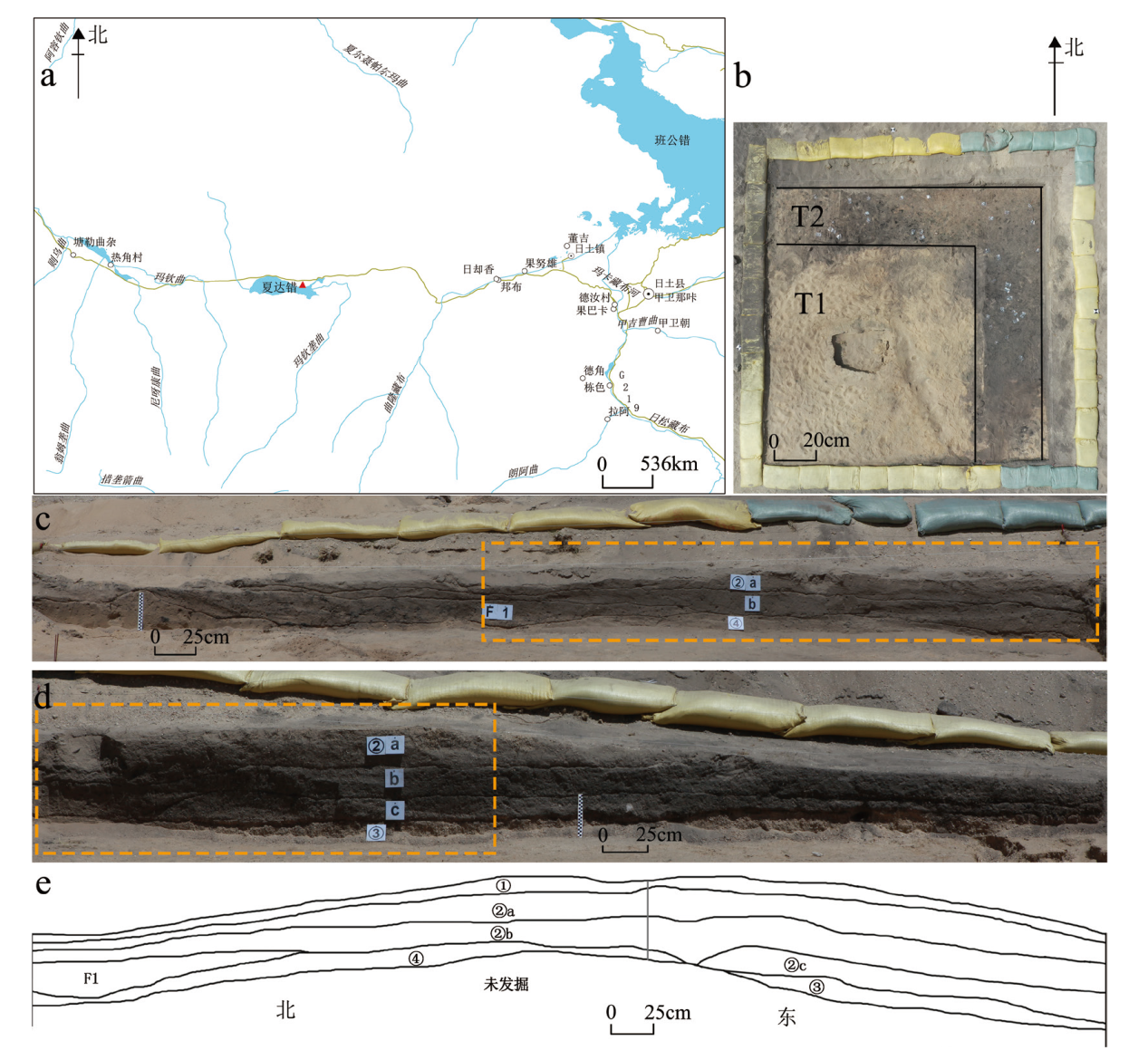
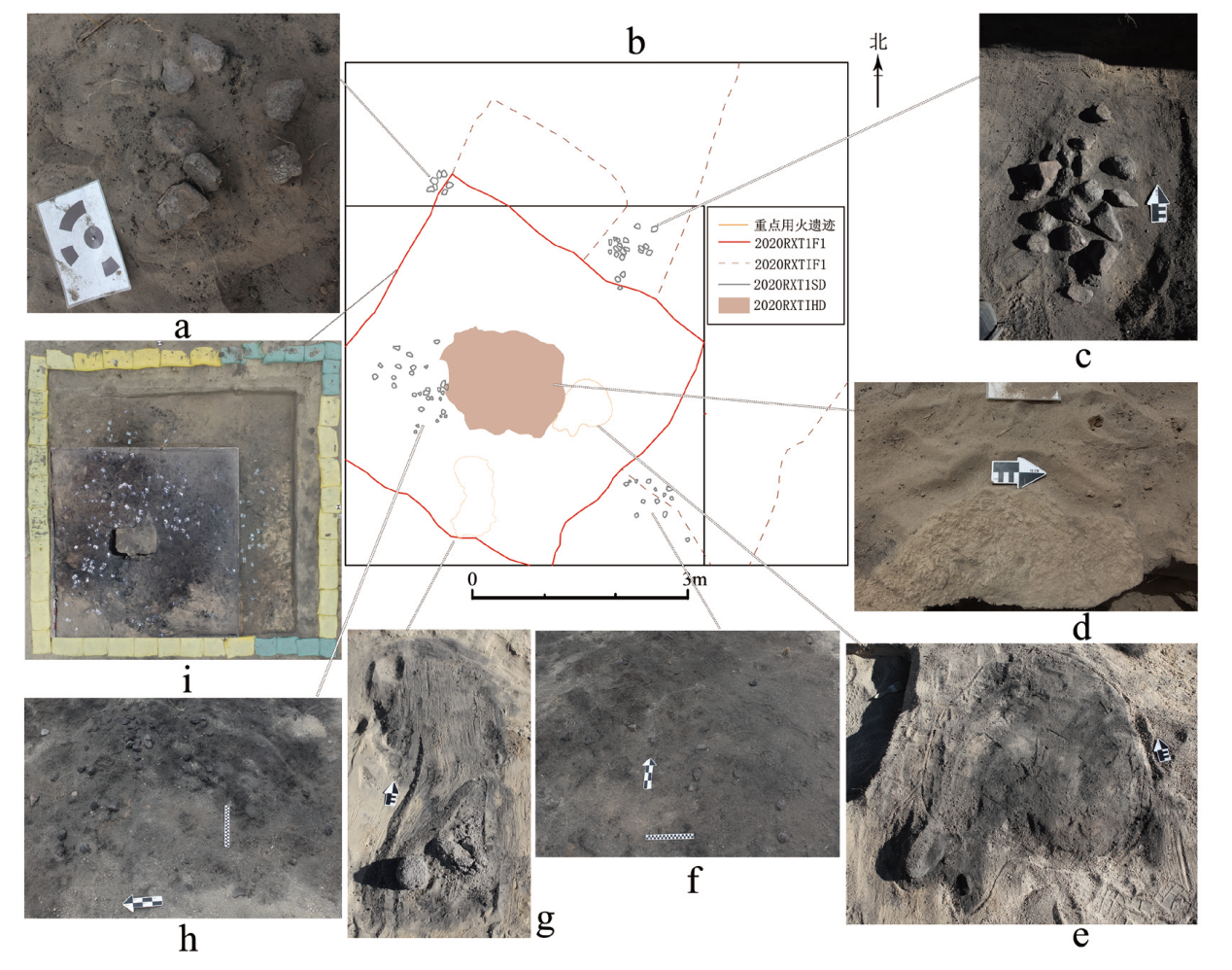
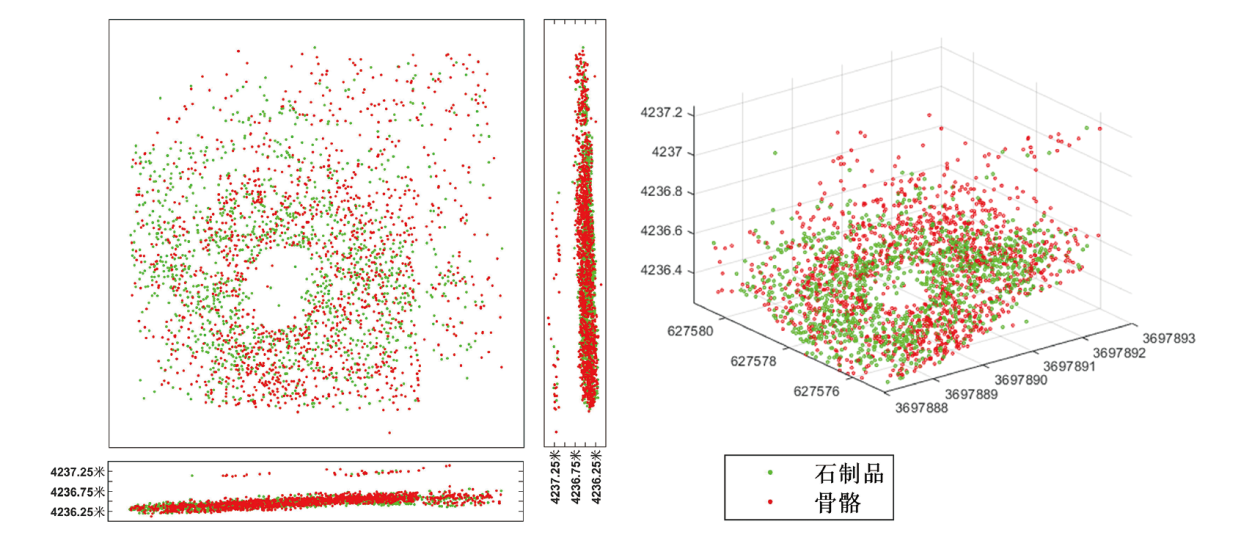
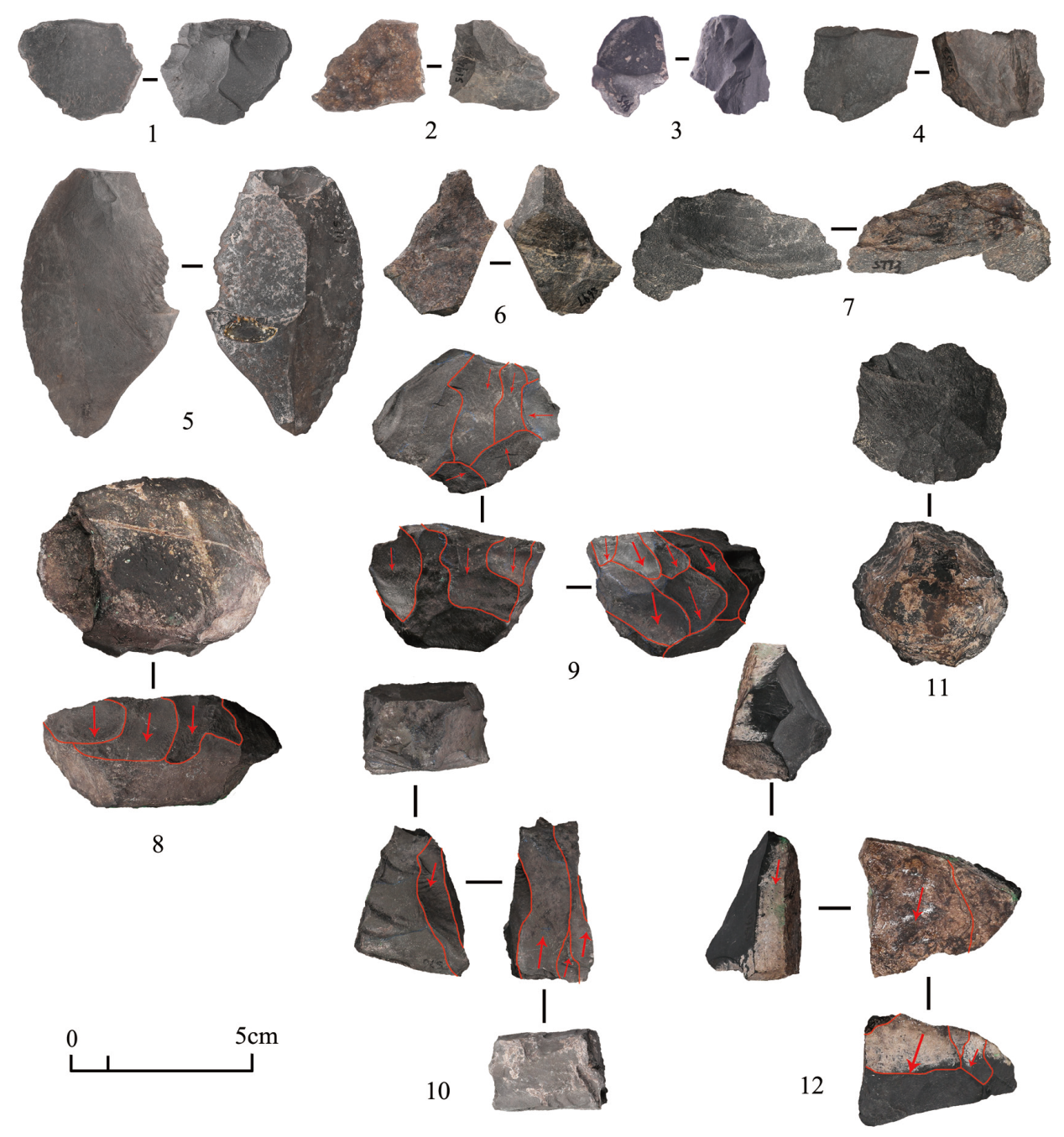
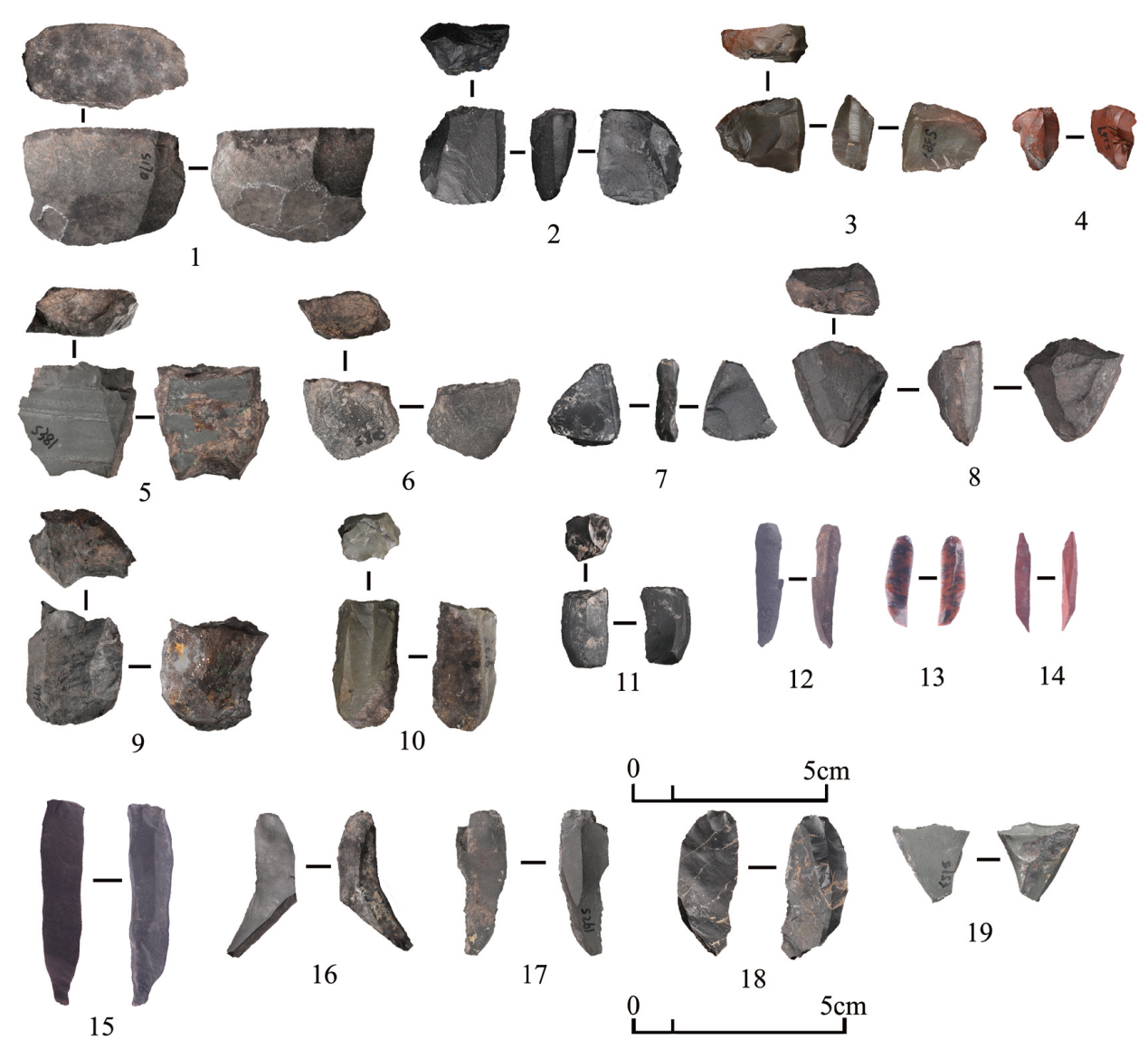
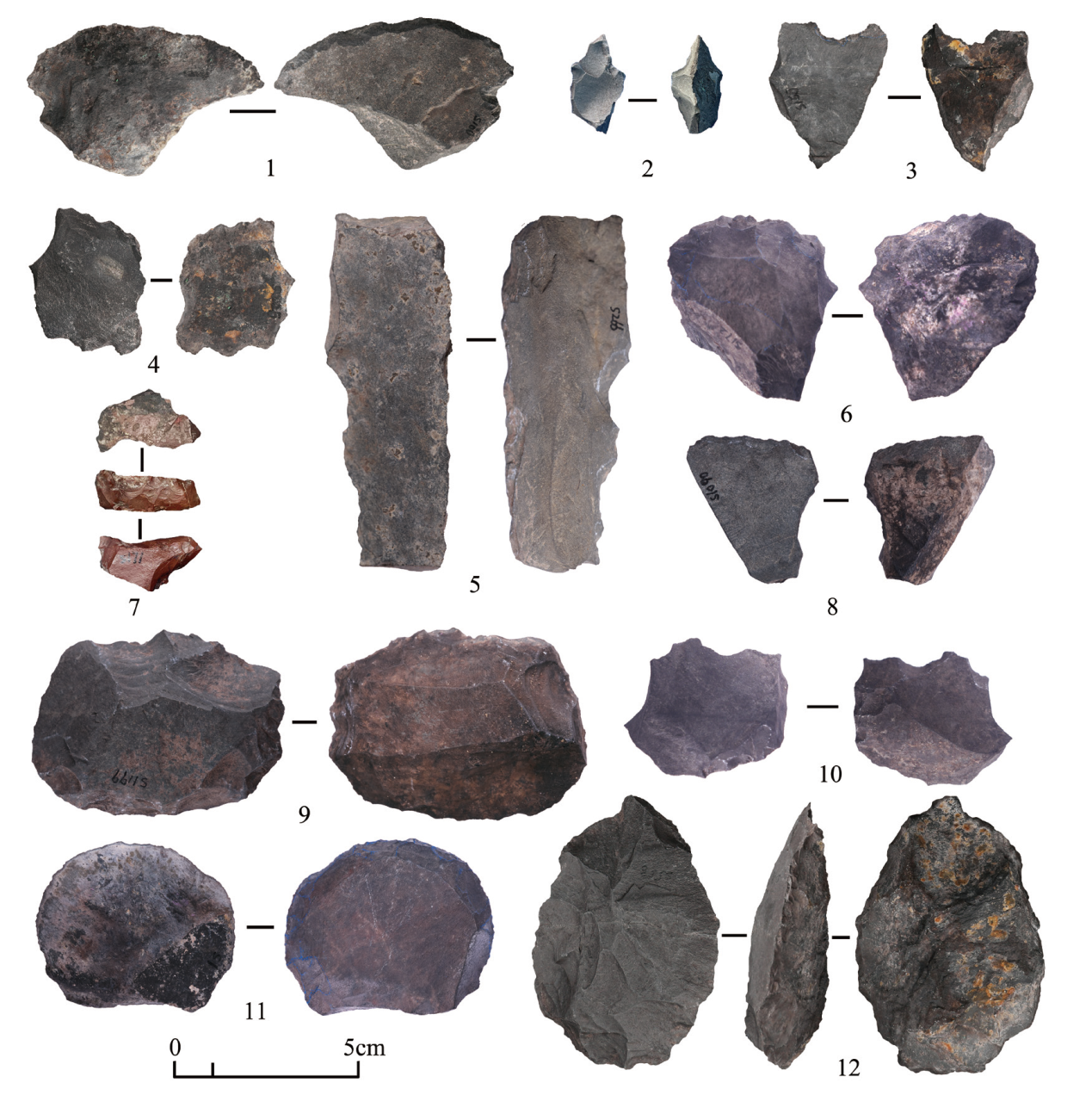
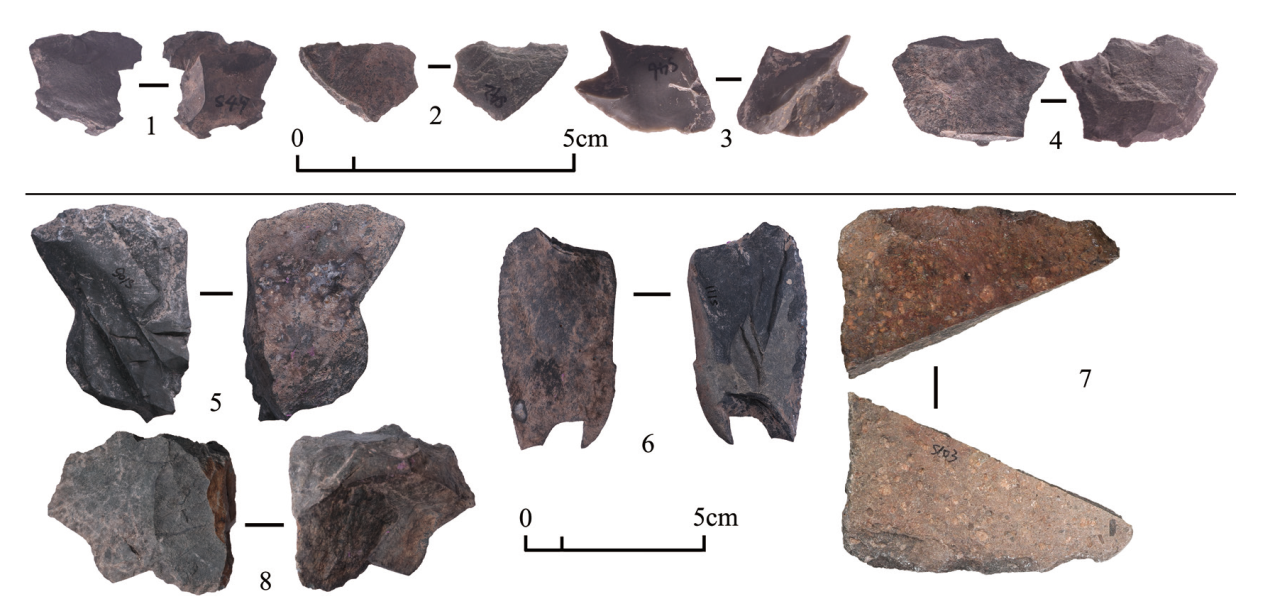
夏达错遗址位于西藏自治区阿里日土县西约40 km的夏达错北岸湖滨阶地上,于1992年调查发现。2020年,西藏自治区文物考古研究所与四川大学考古文博学院开展新的发掘工作,发现了丰富的文化遗存。共清理了4个文化层,发现了1处居址、5处石堆、2处踩踏面及多处用火遗迹,出土石制品1488件,约1300件动物骨骼。本文对此次发掘工作进行全面报告,根据遗址内出土木炭和动物骨骼的AMS测年结果,遗址年代为距今8900~8500年,是西藏西部年代较早具有原位埋藏的狩猎采集者营地遗址。石器技术分析表明,遗址中简单石核-石片技术、细石叶技术、磨制石器技术共存,各个文化层石器工业面貌一致。夏达错遗址的发掘与研究为探索青藏高原西部全新世早期的人类活动提供了重要的考古证据。

关键词: 西藏自治区, 夏达错遗址, 全新世早期, 狩猎采集者营地

Abstract:

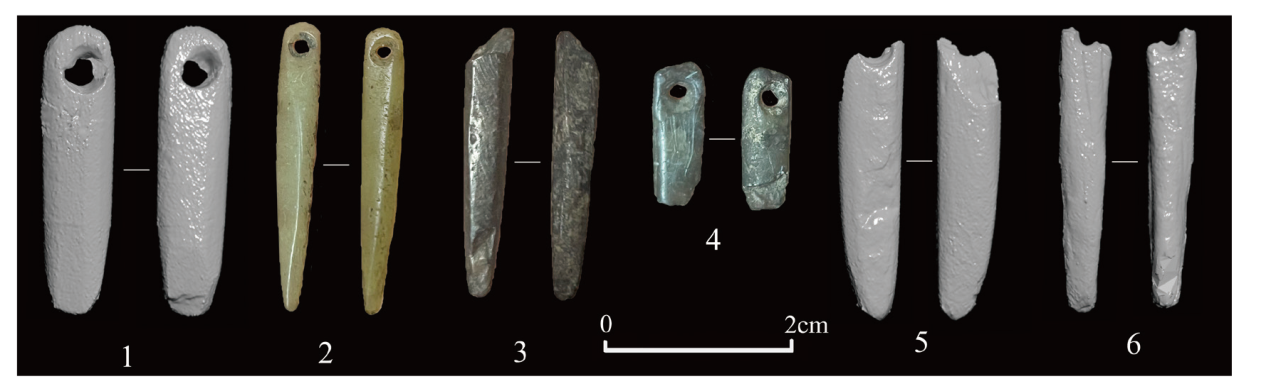
The Xiada Co open-air site (79°23′22.91″E, 33°23′34.17″N, 4237 meters above sea level) is located on the lake terrace on the north bank of Xiada Co Lake, about 40 km west of Rutog County, Ngari Prefecture, Xizang Autonomous Region. The site was discovered by investigation in 1992 and officially excavated in 2020. Here we report the archaeological remains from the 2020 excavation of the Xiada Co site. Seven Accelerator Mass Spectrometer dating results were obtained by charcoal fragments and animal bones from different cultural layers. The dating results were calibrated by the OxCal 4.20 software and the IntCal20 curves, which show that layers 2: a-c and 4 were accumulated during 8900~8500 BP cal. The 2020 excavation revealed four cultural layers, the cultural remains include a dwelling, five stone piles, two trampled surfaces, several hearths, 1488 stone artifacts and around 1300 animal bones. In addition, 348 pieces of burnt stone were collected and a total 1784 pieces of stone artifacts were sieved out from the four different layers. Layers 2a and 2b contained the richest cultural remains, including that the site was frequently visited by ancient humans during this period. Layer 3 is an intermittent layer, with little ancient human activity during this period. During the layer 4 time period, hunter-gatherers began to visit the site occasionally and some cultural remains were left behind. The lithic analysis of the unearthed stone artifacts indicates that the lithic industry is consistent through cultural layers at the Xiada Co site. The lithic assemblages include simple flake-core technology, microblade technology products and ground stone needles. The microblade technology at the Xiada Co site is represented by the wedge-shaped microblade core, a few conical and cylindrical microblade cores, which is very similar to the Xiachuan and Hutouliang techniques in Northern China. The six ground stone needles are the only type of ground stone tools at the site, which are discovered in layers 2a, 2b and 4. The discovery and systematic excavation of the Xiada Co site have provided crucial archaeological evidence for understanding human activities in this challenging high-altitude environment during the early Holocene. By studying the cultural remains uncovered at this site, we can gain a deeper appreciation of how early communities adapted to and thrived in the unique ecological and climatic conditions of the western Tibetan Plateau.

Key words: Xizang Autonomous Region, Xiada Co site, Early Holocene, hunter-gatherer camp

中图分类号: