Acta Anthropologica Sinica ›› 2025, Vol. 44 ›› Issue (04): 556-567.doi: 10.16359/j.1000-3193/AAS.2024.0082

• Research Articles • Previous Articles     Next Articles

Stone artifacts unearthed from the Nainaimiaogou site of Nihewan Basin in 2015

XU Jianwei1(), LIU Lianqiang1, CHENG Xiaoyu2, ZHAO Yongsheng1, HOU Jiaqi3(), WANG Fagang1   

  1. 1. Hebei Provincial Institute of Cultural Relics and Archaeology, Shijiazhuang 050031
    2. Yangyuan County Cultural Relics Protection and Management Service Center, Zhangjiakou 075899
    3. School of Archaeology, Jilin University, Changchun 130012
  • Received:2024-04-26 Accepted:2024-07-22 Online:2025-08-15 Published:2025-08-07
  • Contact: HOU Jiaqi E-mail:xujianwei2008@aliyun.com;houjiaqi0211@163.com

Abstract:

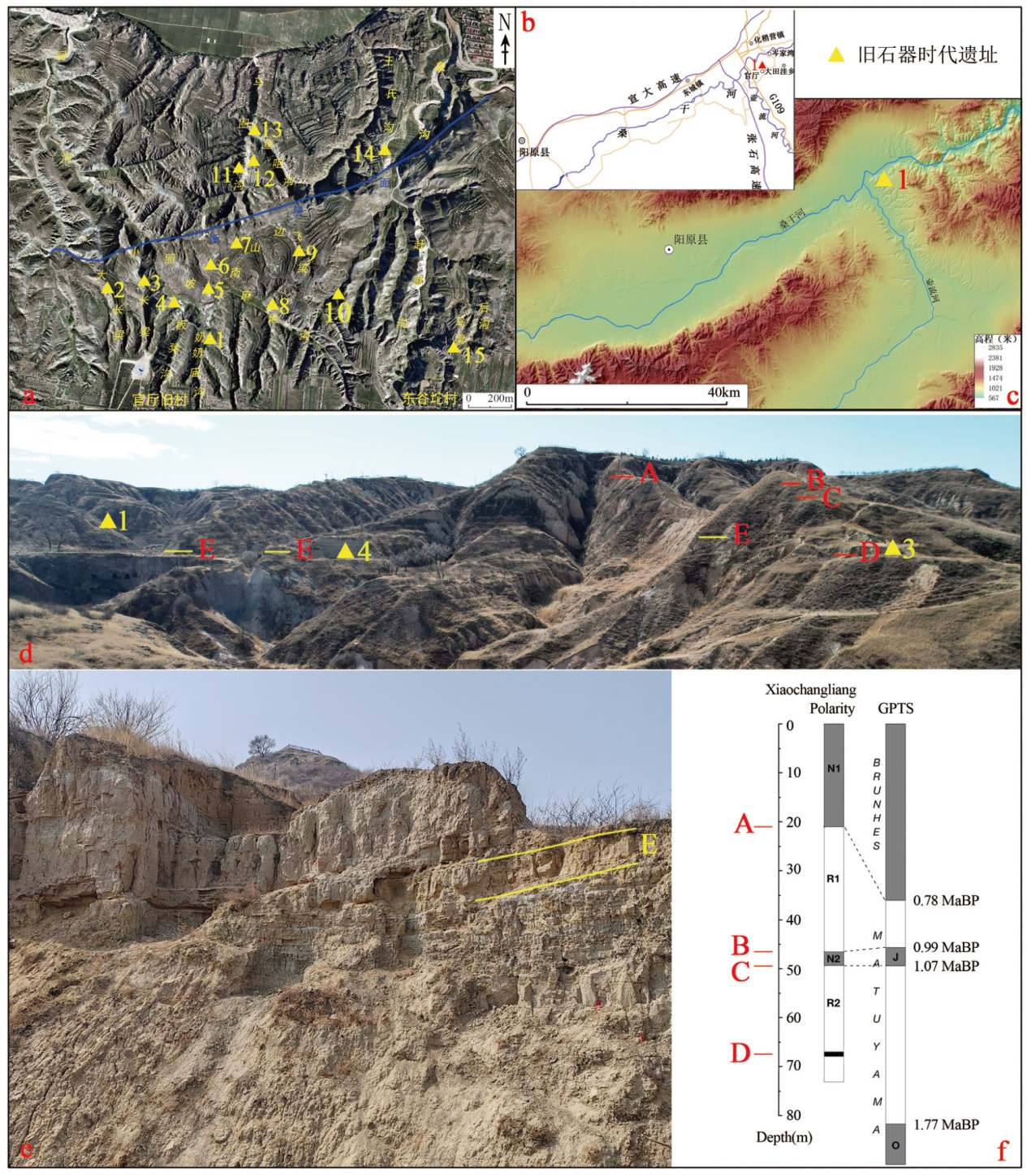
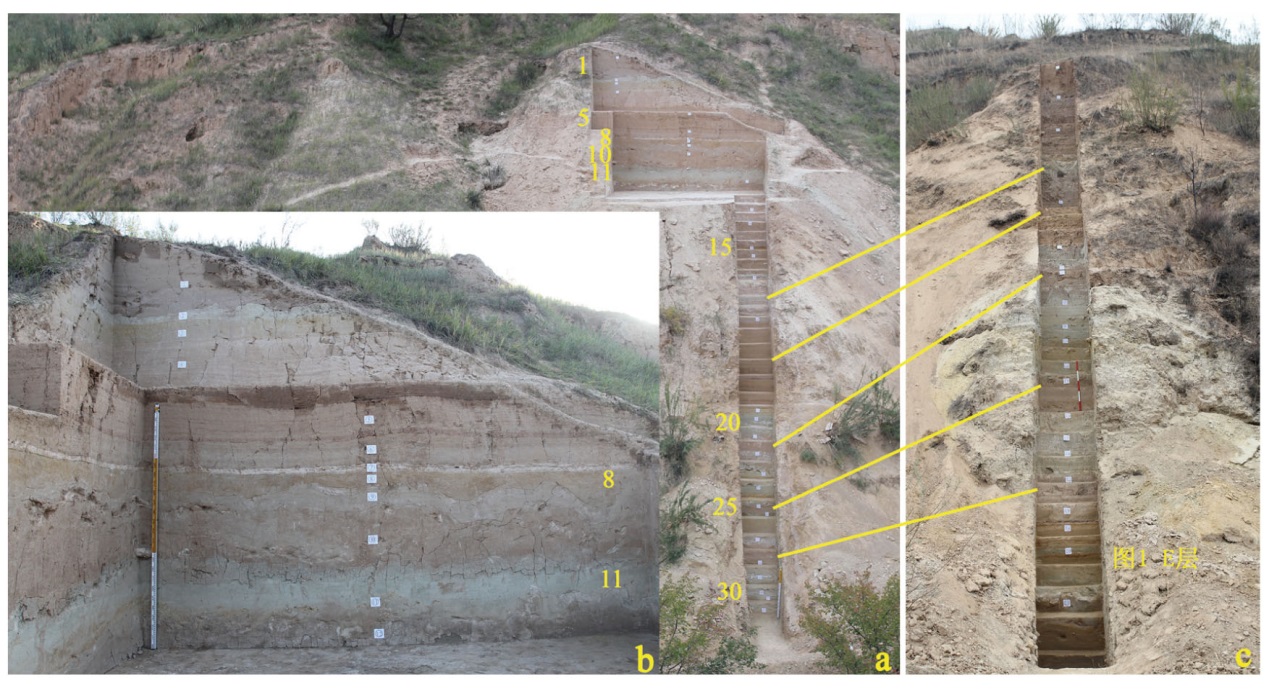
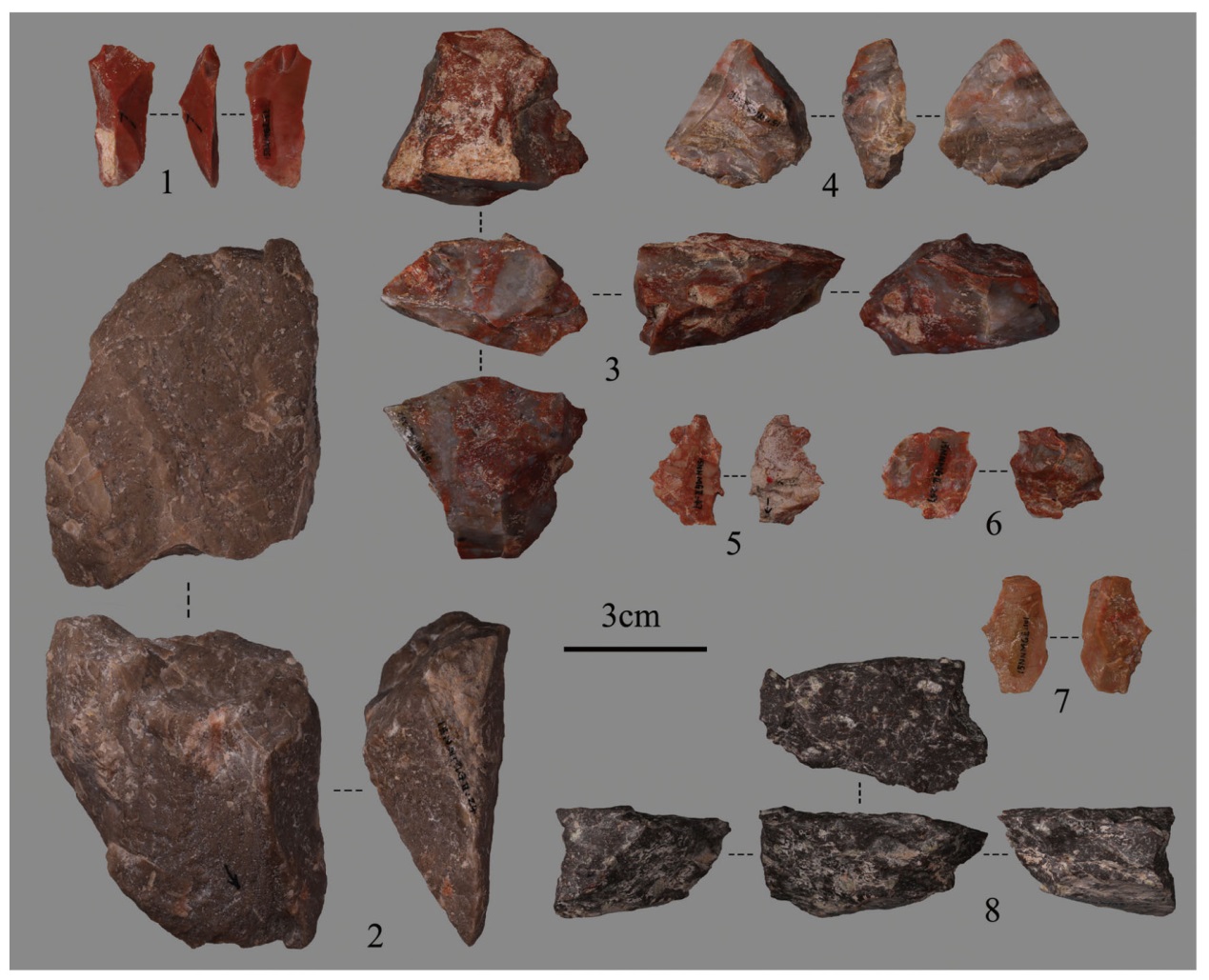
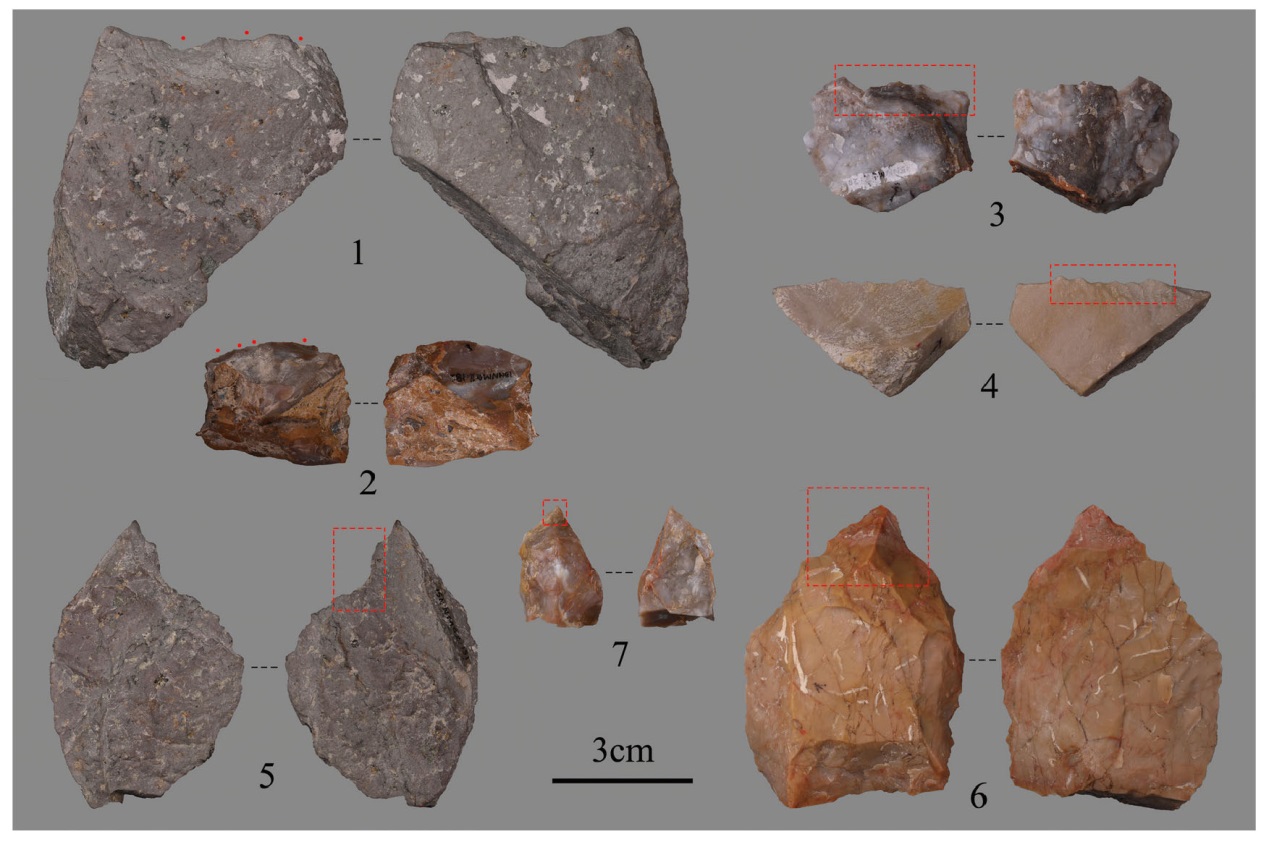
The Nainaimiaogou paleolithic site, located in the north of Datianwa platform on the eastern edge of Nihewan Basin, was discovered and excavated the area 24 m2 by the research team from the Hebei Provincial Institute of Cultural Relics and Archaeology in 2015. In these excavations, 229 pieces of stone artifacts and 153 pieces of fossils were found within two cultural layers. The stone artifacts exhibit slight abrasion, and numerous small artifacts are clearly visible. These features suggest that the artifacts were buried in their original location The raw materials for the stone artifacts mainly include chert, volcanic lava, dolomite, tuff, quartz and other similar materials, all of which are found in the exposed bedrock and river alluvium near the site, suggesting they were sourced locally. The stone artifacts were categorized into cores, flakes, tools, stocks, chunks. Hammering was the primary method for flaking, with a small number of artifacts specifically designed for bipolar technology. Most of the flakes and tools are small, with relatively few tools such as scrapers, serrations, points, notched pieces, and borers. These characteristics are closely linked to the long-standing tradition of core-flake technology prevalent in Northern China. The Nainaimiaogou Paleolithic site exhibits numerous technological similarities to the nearby Xiaochangliang site. Buried within the Early Pleistocene Nihewan beds, the site shares the same sedimentary unit as Xiaochangliang, Dachangliang, and Shanshenmiaozui sites. However, its stratigraphic position is significantly higher. It likely corresponds to the Jaramillo or adjacent strata, dating back to approximately 1.0 million years ago, aligning with the chronology of the Huojiadi and Donggutuo sites in the region. The site comprises two closely cultural layers, one above the other. The northern region of the Datianwa platform has a long history of Paleolithic archaeological work, including thorough investigations, excavations, and research. Over 50 Paleolithic sites from various stages of the Early Pleistocene have been uncovered in this region, establishing it as the densest and most culturally comprehensive locale for human cultural relics dating back over one million years in East Asia. The discovery of the Nainaimiaogou Paleolithic site has significantly enhanced the understanding of the cultural context of Early Pleistocene paleoanthropological artifacts in the Nihewan Basin. It offers crucial insights into tracing paleoanthropological activities within the same region and stratigraphic layer, thereby expanding the existing knowledge of behavioral patterns and habitation styles during this period. Furthermore, the discovery and research of this site and surrounding archaeological sites possess academic value in advancing the understanding of human evolution and cultural development during the Early Pleistocene.

Key words: Nihewan basin, Nainaimiaogou Paleolithic site, stone artifacts, Early Pleistocene, core-flake industry

CLC Number: