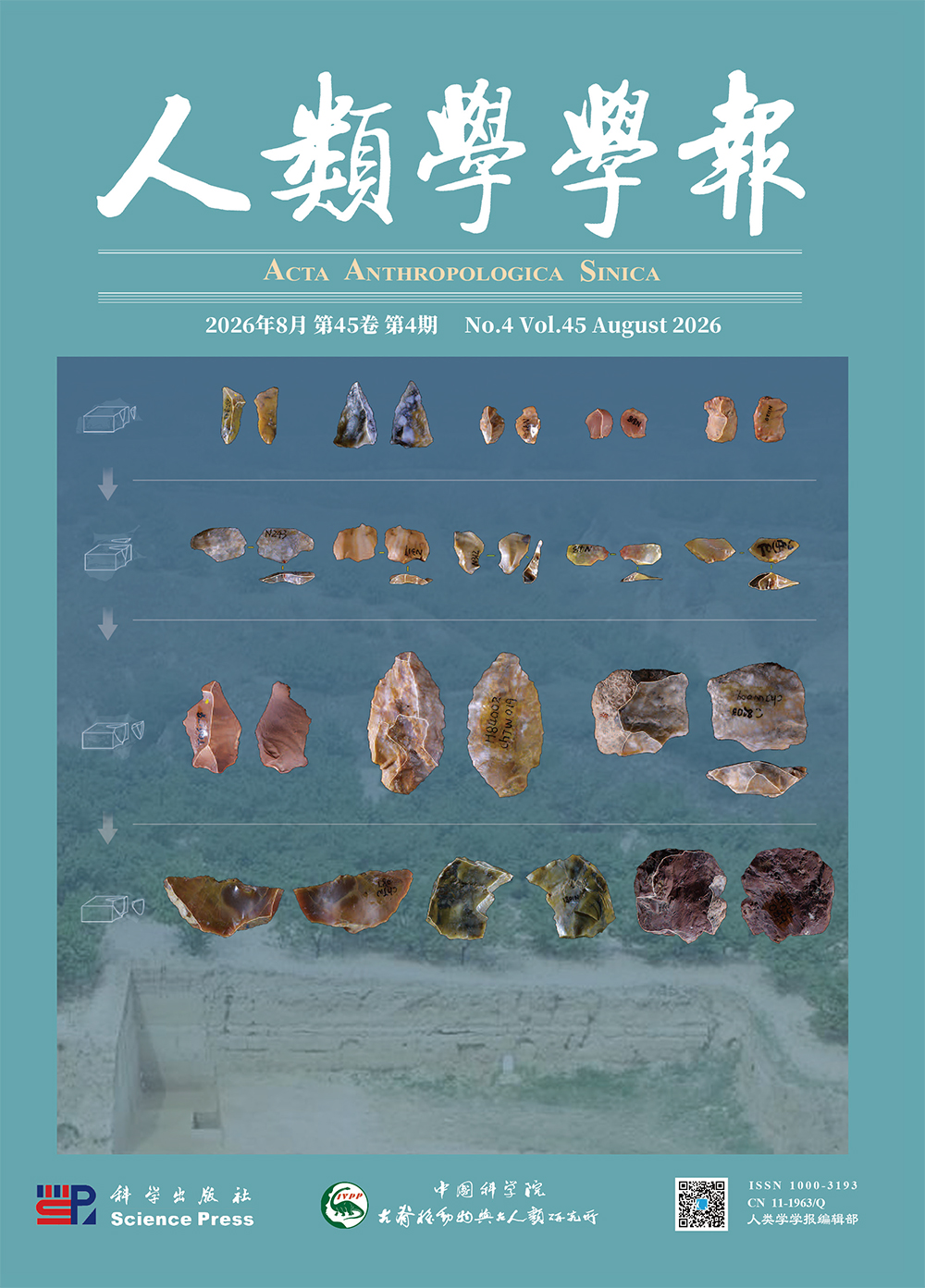
Loading...

Table of Content

    15 August 2025, Volume 44 Issue 04
    Invited Article
    Three dimensional reconstruction of cranial diploic veins and its significance in human evolution
    HUI Jiaming
    2025, 44(04):  545-555.  doi:10.16359/j.1000-3193/AAS.2025.0059
    Asbtract ( 453 )   HTML ( 43)   PDF (2079KB) ( 122 )  
    Figures and Tables | References | Related Articles | Metrics

    Diploic veins are a complex vascular network within the cranial wall, playing a significant role in human cranial blood circulation. Since their discovery in the early 18th century, research on this structure has been limited by the traditional dissection methods, leaving many questions unresolved regarding their morphological variations, functions, and implications for human evolution. Recent advances in CT and MR imaging and newly-developed 3D reconstruction techniques have overcome previous bottlenecks, which can detect the morphological details of these vascular structures. New studies have revealed that traditional classifications of diploic veins lack broad applicability, while also redefining their distribution areas and patterns and identifying functional roles in cerebrospinal fluid circulation and cerebral thermoregulation, which may be essential to human brain physiology. Research on hominin fossils has further highlighted interspecific differences in diploic veins, offering potential applications in future taxonomical discussions. The current evidence indicates that the diploic vascular pattern can identify Neanderthal cranial fossils from other Homo species, and it also help differentiate non-human primates from hominins. Additionally, diploic veins may have contributed to human brain evolution, with possible links to brain volume and regional endocast morphology. To clarify the mechanism behind the variation and evolution, further studies are warranted to investigate the diploic vascular morphology and physiology in large extant human populations and also in hominin fossils. This paper reviews the history of diploic vein research and synthesizes recent advancements, summarizing methodologies, technical challenges, and future directions to promote further studies in this field.

    Research Articles
    Stone artifacts unearthed from the Nainaimiaogou site of Nihewan Basin in 2015
    XU Jianwei, LIU Lianqiang, CHENG Xiaoyu, ZHAO Yongsheng, HOU Jiaqi, WANG Fagang
    2025, 44(04):  556-567.  doi:10.16359/j.1000-3193/AAS.2024.0082
    Asbtract ( 389 )   HTML ( 49)   PDF (5460KB) ( 110 )  
    Figures and Tables | References | Related Articles | Metrics

    The Nainaimiaogou paleolithic site, located in the north of Datianwa platform on the eastern edge of Nihewan Basin, was discovered and excavated the area 24 m2 by the research team from the Hebei Provincial Institute of Cultural Relics and Archaeology in 2015. In these excavations, 229 pieces of stone artifacts and 153 pieces of fossils were found within two cultural layers. The stone artifacts exhibit slight abrasion, and numerous small artifacts are clearly visible. These features suggest that the artifacts were buried in their original location The raw materials for the stone artifacts mainly include chert, volcanic lava, dolomite, tuff, quartz and other similar materials, all of which are found in the exposed bedrock and river alluvium near the site, suggesting they were sourced locally. The stone artifacts were categorized into cores, flakes, tools, stocks, chunks. Hammering was the primary method for flaking, with a small number of artifacts specifically designed for bipolar technology. Most of the flakes and tools are small, with relatively few tools such as scrapers, serrations, points, notched pieces, and borers. These characteristics are closely linked to the long-standing tradition of core-flake technology prevalent in Northern China. The Nainaimiaogou Paleolithic site exhibits numerous technological similarities to the nearby Xiaochangliang site. Buried within the Early Pleistocene Nihewan beds, the site shares the same sedimentary unit as Xiaochangliang, Dachangliang, and Shanshenmiaozui sites. However, its stratigraphic position is significantly higher. It likely corresponds to the Jaramillo or adjacent strata, dating back to approximately 1.0 million years ago, aligning with the chronology of the Huojiadi and Donggutuo sites in the region. The site comprises two closely cultural layers, one above the other. The northern region of the Datianwa platform has a long history of Paleolithic archaeological work, including thorough investigations, excavations, and research. Over 50 Paleolithic sites from various stages of the Early Pleistocene have been uncovered in this region, establishing it as the densest and most culturally comprehensive locale for human cultural relics dating back over one million years in East Asia. The discovery of the Nainaimiaogou Paleolithic site has significantly enhanced the understanding of the cultural context of Early Pleistocene paleoanthropological artifacts in the Nihewan Basin. It offers crucial insights into tracing paleoanthropological activities within the same region and stratigraphic layer, thereby expanding the existing knowledge of behavioral patterns and habitation styles during this period. Furthermore, the discovery and research of this site and surrounding archaeological sites possess academic value in advancing the understanding of human evolution and cultural development during the Early Pleistocene.

    Preliminary study of the knapped stone artefacts from the Bingnong-Binghong site in Yuanmou, Yunnan Province
    DENG Wanwen, MIN Rui
    2025, 44(04):  568-582.  doi:10.16359/j.1000-3193/AAS.2024.0106
    Asbtract ( 336 )   HTML ( 36)   PDF (3847KB) ( 126 )  
    Figures and Tables | References | Related Articles | Metrics

    The Bingnong-Binghong site is situated in Yuanmou county, north-central Yunnan Province. It contains a lower cultural layer dated as early as 4600 BP, around the Mid-Holocene. While the upper cultural layer of the site contains a few bronze implements, estimated to be lasting until 2500 BP or so. A large number of knapped stone artefacts were uncovered from both cultural layers, about 12694 pieces in total. Techno-typological analyses of the lithic artefacts indicate that Late Neolithic to Bronze Age populations inhabited in the middle reaches of the Jinsha River utilised knapped stone tools quite often. The lithic raw materials are mostly sedimentary rocks in the form of river cobbles. Considering that the site is located on the second terrace of the Jinsha River, large quantities of river cobbles would be easily accessed. The lithic assemblages from the Bingnong-Binghong site contain cobbles, used elongated cobbles, cores, flakes, tools and debris. Most of the stone tools were either shaped directly from large oval cobbles, or to split cobbles into two halves and then retouch split cobbles into different kinds of tools. Among the knapped stone tools, there found quadrilateral axes/adzes made of either cobbles or split cobbles, and slightly shouldered stone axes made of split cobbles. There also found knives made of primary oval flakes, either with notches on both sides or not. Besides, there are scrapers retouched on flakes, side-edged choppers shaped from oval cobbles, discoids bifacially worked from cobbles, net sinkers made of large flat pebbles, chisels and arrows. Our study shows that: 1) Techno-typological features of the knapped stone tools from the Bingnong-Binghong site exhibit an indigenous cobble tool tradition in Southwest China since the Late Upper Pleistocene. It seems to bear remarkable similarities to the Hoabinhian technocomplex in Mainland Southeast Asia, which reveals a close relationship between the populations and archaeological cultures of both regions originated as early as the Late Upper Pleistocene. 2) New tool types such as stone knives with notches on both sides, and quadrilateral stone axes / adzes, are also found in the lithic assemblages. They may have been introduced into Southwest China around the Mid-Holocene, together with cultivated crops by farming populations of the Late Yangshao-Majiayao cultures from the Central Plains-Gansu-Qinghai region. Neolithic cultural factors should have dispersed along with continuous human movements from Central Plains through Northwest China to Southwest China since Early Holocene. 3) The long-lasting cobble tool tradition in the middle reaches of the Jinsha River is very likely resulted from the abundance of raw materials for stone tool production and the convenience of obtaining cobbles in nearby areas. The characteristics of Bingnong-Binghong lithic industries appear to be highly related to the unique natural environment of the Yunnan-Guizhou Plateau.

    Simulation production and experimental use of the burins from the Xiachuan site in Shanxi
    REN Haiyun, WANG Yongxian, LI Xuedong, ZHAO Hailong
    2025, 44(04):  583-593.  doi:10.16359/j.1000-3193/AAS.2024.0105
    Asbtract ( 339 )   HTML ( 27)   PDF (3866KB) ( 106 )  
    Figures and Tables | References | Related Articles | Metrics

    Burins are one of the stone tool types that emerged in the late Paleolithic Age. In numerous European archaeological sites, burins are found in large quantities and constitute a significant proportion of the total number of stone tools at the same site. In contrast, the number of burins discovered in Chinese sites is generally small. The Xiachuan site, an important late Paleolithic site in China, was unearthed in the 1970s. After years of investigation, excavation, and specimen sorting, dozens of characteristic burins have been identified. Both domestic and international scholars have carried out multiple rounds of typological research on these specimens.
    Since the beginning of the 21st century, several scholars have conducted a series of micro-trace observations and experimental studies on burins from several Chinese sites. These efforts have introduced a new approach to the study of Chinese burins.
    In this paper, typical specimens of Xiachuan burins were selected for micro-trace observation. Subsequently, flint samples, identical to those used in the production of Xiachuan burins, were collected as experimental materials. In combination with environmental archaeology research, wood and bone/horn materials were also gathered for relevant experimental archaeological studies. Experimental designs for stone tool production and use were carried out, covering four categories: scraping, carving, drilling, and hafting. During the experiments, the process of stone tool use and the changes in the stone tools themselves were carefully observed and recorded to analyze the manufacturing and utilization methods of Xiachuan burins.
    By comparing the observation results of relic traces, it is proposed that the main areas of use for Xiachuan burins are the lateral edge and the tip of the burin. The application methods are scraping and carving, respectively. The processing materials include soft materials like branches and hard materials such as bone and horn. The purpose of use is to scrape the material surface to achieve smoothness or create notch grooves for wedge - splitting or inlaying in subsequent processing. Meanwhile, no obvious traces of drilling use were detected, and the use method was likely hand - held rather than hafted.
    This study adopts a new approach to fill the gaps in previous research on Xiachuan burins, enabling a better understanding of the production and use processes of these tools. It provides data support for further exploration of the use functions of Chinese burins, which are representative of the late Paleolithic sites in Northeast and North China..

    Age and environment of the Mandelashan lithic site in central Inner Mongolia
    GUO Xiaoqi, SUN Xuefeng, YI Shuangwen, WANG Shejiang, LI Yinghua, WANG Yinghua, ZHOU Yuduan
    2025, 44(04):  594-605.  doi:10.16359/j.1000-3193/AAS.2025.0003
    Asbtract ( 341 )   HTML ( 36)   PDF (4224KB) ( 110 )  
    Figures and Tables | References | Related Articles | Metrics

    The Gobi Desert regions in northwest China with poor natural conditions and scarce resources are considered a gaping hole in prehistoric human evolution. But field investigations have revealed the presence of prehistoric human occupations and activities here, serving as important data for studying the late Pleistocene human migration and diffusion in China. However, these archaeological remains were predominantly discovered on the surface, lacking distinct geological layers, which makes it challenging to conduct comprehensive and detailed research including chronology.
    Since 2020, we have carried out field surveys in the Alxa Plateau, and 7 new prehistoric hominin activity sites and 113 stone artifacts were discovered in the eastern edge of the Badain Jaran Desert. The stone artifact assemblages comprise 57 flakes, 10 cores, and 46 tools. And among tools, scrapers are the most numerous, while there is also a smaller number of bifaces, points, burins, choppers, and used flakes. These stone artifacts were all collected from the desert surface.
    In the absence of an accurate burial age, we propose that the age of the layer below the stone artifacts is likely to be greater than or close to the age of hominin occupation, and can temporarily serve as a reference age for human activities. The optical stimulated luminescence (OSL) dating method was used to determine the age of the underlying strata. Two OSL samples were collected from the underlying sand layer at the MDLS-1 site and dated back to approximately 7.3±0.3 kaBP and 8.3±0.5 kaBP; while one OSL sample was collected from MDLS-3 site and dated back to approximately 9.4±0.4 kaBP.
    Based on the distribution of the sites and the age of the underlying strata, it can be preliminarily speculated that the prehistoric populations may have occupied the seasonal river terrace in the Mandela Mountain area no earlier than 7.3 kaBP. Of course, we do not rule out the possibility that their occupation of the higher parts of the terrace began at 9.4 kaBP. In addition, the temperature and precipitation simulation (TraCE-21 ka) indicate that during this period, some areas of the Badain Jaran Desert had a relatively humid climate, abundant groundwater, and relatively high surface vegetation coverage, providing favorable conditions for the occupation and survival of the hunting and gathering crowds. This study is of great significance for understanding the hominin occupation and activities in the northwest Gobi and desert of China during the early Holocene.

    Environmental background of the Xishantou microlithic site in Heilongjiang
    BAI Guangyi, ZHAO Keliang, LI Youqian, LIU Wei, YANG Shixia, WANG Jian, LI Xiaoqiang
    2025, 44(04):  606-617.  doi:10.16359/j.1000-3193/AAS.2025.0004
    Asbtract ( 394 )   HTML ( 39)   PDF (4831KB) ( 94 )  
    Figures and Tables | References | Related Articles | Metrics

    Northeast China is of great importance in the development and diffusion of microblade technology. Reconstructing the vegetation ecology of Northeast China during the emergence of microblade technology is crucial for understanding the origins of microblade technology and ancient human beings’ adaptations to the environment.
    This study focuses on the sedimentary profile of the Xishantou site. The site is located in Xishantou Village, Xingshan Township, Longjiang County, Heilongjiang Province, on the secondary terrace of the left bank of Chaor River. Excavations at the site uncovered fire-using features, lithic products and animal fossils. The lithics are located below a loess-type subclay layer and above a yellow fine silt and gravel layer in the Songnen Plain, and its stratigraphy belongs to Guxiangtun Formation of the Late Pleistocene in northeastern China. The main types of lithics are cores, blades and implements. The dense distribution of lithics with a certain spatial regularity in the excavated area suggests that this may have been a lithic workshop site.
    AMS 14C results show that the major cultural layers of microblade technology at the Xishantou site are dated to around 27.8 kaBP cal, which corresponds to the GI-3 interglacial section of the late Marine Oxygen Isotope Stage 3 (MIS 3). By using the pollen analysis method, an attempt is made to reconstruct vegetation types from the late MIS 3 through the early Last Glacial Maximum (LGM) at the site. A total of 24 samples were collected for pollen analysis from the Xishantou site profile, and 31 pollen types were identified, with an overwhelming majority of herb pollen.
    The vegetation and climatic characteristics of the cultural layer where the microblade technology emerged are also analyzed in combination with climate proxies and principal component analysis. The pollen analysis results show that the ancient human living environment was mainly the meadow-steppe type dominated by Poaceae and Asteraceae, with a relatively temperate and moist climate. Pollen results from the overlying loess-type subclay of the cultural layer show that the climate gradually shifted to a relatively cooler and drier climate and the vegetation changed to a typical steppe dominated by Artemisia and Asteraceae, indicating that this stage may have entered the LGM. Changes in the abundance of fungal spores indicate the presence of herbivorous mammals around the site.
    These findings offer valuable scientific insights into the environmental context of ancient human existence during the emergence of microblade technology, shedding light on the ecological mechanisms behind the transition from blade technology to microblade technology.

    Dental wear studies of the Eastern Zhou Dynasty people in the Dunping Cemetery, Zhangxian County, Gansu
    YANG Shiyu, GUO Jie, MAO Ruilin, Alejandro PÉREZ-PÉREZ, ZHANG Quanchao
    2025, 44(04):  618-631.  doi:10.16359/j.1000-3193/AAS.2025.0025
    Asbtract ( 284 )   HTML ( 30)   PDF (2879KB) ( 107 )  
    Figures and Tables | References | Supplementary Material | Related Articles | Metrics

    Dental attrition patterns, affected by dental health, occlusal morphology, masticatory mechanics, and dietary habits, offer crucial insights into ancient subsistence strategies. To systematically explore these relationships, this study combines macroscopic wear grading, three - dimensional occlusal analysis, and microwear striation quantification to reconstruct the dietary patterns of the Eastern Zhou people (770-221 BC) from Dunping Cemetery in Gansu Province. Methodologically, 775 dental specimens from 69 individuals were analyzed, covering wear grades, 3D wear indices, and microwear metrics.
    First, based on Smith’s (1984) classification for dental wear, the values of tooth wear grades and the wear index ratios between anterior and posterior teeth were calculated. The results show that the Dunping people had greater wear in anterior teeth than in posterior teeth in both the maxillary and mandibular dentitions, and this difference was more significant in the mandible. Compared with other ancient Chinese groups from the Neolithic to the early Iron Age, the Dunping people presents a distinct pattern. Generally, it has lower anterior tooth wear relative to posterior tooth wear, a trend that differs from the main characteristics seen in contemporaneous comparative peoples.
    Subsequently, an integrated approach involving high-precision dental model fabrication, three-dimensional laser scanning, and computer-aided analysis software was employed to systematically analyze and collect crown surface area and outline projection area data for 3D occlusal topography reconstruction. Three-dimensional wear index (IWS) and occlusal surface index (IOS) were calculated to quantify crown wear severity for comparative analysis. The results revealed that the Dunping people had lower IWS and IOS values. This indicates a distinct wear pattern with limited dentine exposure, reduced cuspal attrition, and preserved occlusal topography that had not yet reached the planarization stage, which is consistent with light occlusal wear. These findings are in line with previous dental wear grade assessments showing lower molar attrition levels in this people.
    In addition, dental microwear analysis was carried out using extended depth - of - field electron microscopy, with intergroup comparisons based on striation length ratios at different angles on the buccal surfaces. Principal component analysis showed that the Lh/Lv index (104.73%) of the Dunping group was closer to that of the pastoralist Jiayi group. This suggests that, compared with agricultural peoples, the Dunping group had relatively lower proportions of plant - derived components in their dietary composition. This quantitative pattern implies potential subsistence strategies with mixed dietary sources and significant consumption of animal products.
    In conclusion, the integrated research findings show that the Dunping people has distinct dental wear characteristics: relatively low molar attrition levels, greater anterior tooth wear than posterior teeth, obvious anterior dental abrasion, shallow occlusal grooves in molars, and a predominance of vertically oriented buccal microwear striations. This pattern suggests a protein-rich dietary profile mainly composed of animal products. Archaeological evidence from Eastern Zhou period burials at the Dunping cemetery supports this interpretation. The mortuary assemblage shows little evidence of agricultural features but reveals extensive use of animal remains, such as cattle, horses, and sheep, as sacrificial offerings. These findings support the conclusion that the subsistence economy was mainly based on pastoralism with minimal agricultural integration. The dietary structure likely emphasized animal - derived nutrition, which is consistent with the observed dental wear signatures indicating less mastication of fibrous plant materials and more processing of softer, meat-based foods.

    Craniofacial characteristics of She people in Fujian
    HU Rong, YIN Jiahao
    2025, 44(04):  631-641.  doi:10.16359/j.1000-3193/AAS.2025.0005
    Asbtract ( 351 )   HTML ( 44)   PDF (1070KB) ( 410 )  
    Figures and Tables | References | Related Articles | Metrics

    This study randomly selected 518 She ethnic adults aged 18 years and above (293 males and 225 females) from Fu’an and Fuding cities in Fujian Province. Twenty-two craniofacial characteristics were measured, and twelve indexes of craniofacial exponent characteristics were calculated. The results showed that the She ethnic group has a medium head type, high head type, and narrow head type; a narrow face; and a medium nose type. There were significant gender differences in the craniofacial characteristics and indexes of the She ethnic group in Fujian, except for the intraocular angular width and zygomatic frontal index. There were significant age differences in head width, face width, intraocular width, lip - related indicators (upper lip height, lip height, lip thickness, mouth breadth), ear length, vertical cephalo - facial index, and oral index. Facial features are mainly determined by genetic factors.
    When comparing the craniofacial characteristics of the She ethnic group in Fujian with those of the She ethnic group 28 years ago, the results showed that the craniofacial characteristics of the She ethnic group in this study had changed significantly compared to those 28 years ago. The reasons were related to urban - rural differences, environmental and dietary changes, and an increase in intermarriage with the Han and other ethnic groups.
    Principal component analysis and cluster analysis were conducted on the head - face data of the She, Han, and other ethnic minority populations. It was found that the She people, as an independent group, were between the northern ethnic minorities, southern ethnic minorities, and the Han. Furthermore, the craniofacial characteristics of the She in Fujian were closer to those of the Han in South China, the Miao, the Yao, the Shui, and the Wa, and had significant differences from other southern ethnic minorities in Yunnan, Guangxi, Guizhou, and northern ethnic groups.
    The She ethnic group has long lived in the border areas of Guangdong, Fujian, and Jiangxi in South China. Therefore, compared to the Han and minority ethnic groups in North China, the Han and minority ethnic groups in South China have more similar physical characteristics to the She ethnic group. The migration and integration of ethnic groups is an important historical process in the formation of ethnic groups in history. The genetic and cultural blending between ethnic groups has influenced their physical characteristics. This paper, together with evidence from Ethnology, Molecular Anthropology, and Linguistics, shows that the She ethnic group had intricate connections with minority ethnic groups such as the Miao - Yao, Min, Yue, as well as the Han ethnic group in the past. People with different physical characteristics participated in this process and ultimately formed the modern She ethnic group’s “diverse and integrated” physical characteristics.

    Changes in physical characteristics of Chinese Mang people over the past 17 years
    ZHANG Xinghua, LYU Jingyi, XIAO Yao, NIE Haobo, YU Keli, CHENG Zhi, GAO Xinying, YAO Yuetong, BAO Jinping
    2025, 44(04):  642-650.  doi:10.16359/j.1000-3193/AAS.2025.0011
    Asbtract ( 352 )   HTML ( 20)   PDF (786KB) ( 49 )  
    Figures and Tables | References | Related Articles | Metrics

    The Mang people live in Jinping County, Yunnan Province. In 2006, a research team conducted an investigation on adult Mang people in Jinping. In 2023, the research team revisited Jinping and investigated 51 physical parameters of 91 adults (39 males and 52 females) of the Mang ethnic group, and calculated 31 physical indexes. The results are as follows:
    In 2023, compared with 2006, the body mass, shoulder breadth, crista iliaca breadth, chest circumference, biceps circumference, maximum biceps circumference, maximum forearm circumference, hip circumference, thigh circumference, and head circumference of both male and female Mang people increased. For both genders, the stature - sitting height index, stature - weight index, stature - chest circumference index, stature - shoulder breadth index, stature - crista iliaca index, BMI, Erismann’s index, Vervaeck’s index, Rohrer’s index, Broca’s index, Livi’s weight - height index, and Pelidisi’s index increased. The differences in the above - mentioned parameters and indexes were statistically significant.
    Due to the continuous support of the government for the Mang people, their social and economic living standards have improved rapidly. As a result, their body mass, width, and circumference characteristics have increased significantly over the past 17 years. The body size of the Mang people has changed from the middle - chest and medium - crista iliaca type to the wide - chest and wide - crista iliaca type. Their body enrichment and nutritional status have improved, body tissue density has increased, and cardiopulmonary and respiratory functions have been enhanced. The development level of shoulder and pelvic organs has also been enhanced.
    Compared with 2006, the stature, head breadth, mouth breadth, physiognomic facial height, bigonial breadth, interocular breadth, auricular height, and physiognomic ear breadth of the Mang people had little change. However, in 2023, the minimum frontal breadth, face breadth, external binocular breadth, morphological facial height, and nasal height decreased, while the nose breadth, lip height, physiognomic ear length, and upper lip height increased.
    Socio-economic factors were the key factors for the increase in body mass, body width, and circumference during the 17-year period, while genetic and environmental factors were the main factors affecting stature, head, and facial parameters.
    The Mang and Blang ethnic groups belong to the ancient Mon-Khmer-speaking ethnic groups in Yunnan. They share nearly identical historical records and legends with the Blang. No statistically significant differences in nasal height, upper lip height, body mass, chest circumference, hip circumference, thigh circumference, morphological facial index, stature-weight index, stature-chest circumference index, and BMI were observed between the Blang and Mang, whether in males or females. Both male and female Mang and Blang people have euryprosopy. The cultural and biological characteristics of the Mang are relatively close to those of the Blang. Therefore, it is reasonable to classify them as a subgroup of the Blang.

    Body composition of the central obese population in the Northwest ethnic corridor of China
    LI Yonglan, GONG Lei, SUN Siyu, HAN Yuan, XI Luge, BAI Yun, ZHENG Lianbin
    2025, 44(04):  651-661.  doi:10.16359/j.1000-3193/AAS.2024.0070
    Asbtract ( 299 )   HTML ( 8)   PDF (844KB) ( 88 )  
    Figures and Tables | References | Supplementary Material | Related Articles | Metrics

    The waist circumference and 16 body composition values were measured in a total of 6687 cases (2983 males, 3704 females) from 16 populations in the Northwest Ethnic Corridor region, and the samples were divided into normal waist circumference, early central obesity, and central obesity groups according to waist circumference. The results showed that the prevalence of central obesity in the Northwest Ethnic Corridor was high (49.6% for males, 49.5% for females). Correlation analysis showed that in addition to percent body water, waist circumference was significantly positively correlated with other 14 body composition indexes, indicating that with the increase of percent body fat, total body muscle mass, trunk percent trunk fat and trunk muscle mass, waist circumference increased. The visceral fat grade (8.6±4.2) in the normal male waist circumference group was close to the upper limit of the normal value, the early central obesity group (12.7±2.9) was at a high level, and the central obesity group (15.7±3.1) had reached a high level. The visceral fat grade (4.9±1.9) in the normal group of women with normal waist circumference and the early central obesity group (7.1±1.5) were normal, and the central obesity group (9.5±2.2) was at a high level. The results of the principal component analysis of the 13 populations showed that the Northwest Ethnic Corridor population has the common characteristics of more developed muscles and higher fat rate of northern ethnic minorities. The muscle mass and fat rate of the central obese population in the Northwest Ethnic Corridor increased significantly.

    Exploring the influence of genetic factors on the physical development of children and adolescents using twins as an example
    LI Yuling, XIAO Yang, LIU Xiaomin
    2025, 44(04):  661-673.  doi:10.16359/j.1000-3193/AAS.2025.0002
    Asbtract ( 279 )   HTML ( 8)   PDF (814KB) ( 200 )  
    Figures and Tables | References | Supplementary Material | Related Articles | Metrics

    Twin study is one of the important classical methods in human genetics. Taking twins as an example, this paper summarizes the influence of genetic factors on the physical development of children and adolescents. The results show that: 1) Almost all physical development characteristics are controlled by polygenic inheritance and are the result of the combined effects of genetic and environmental factors. Most craniofacial characteristics, such as head circumference, head length, and head width, are influenced by genetic factors to some extent. The heritability of head circumference is very low at birth, but generally at a high level (>0.60) after one year old, and mostly above 0.70 after six years old. There are certain gender differences in the heritability of some craniofacial indexes like head length and head breadth. 2) In terms of body development characteristics, the genetic influence on height and sitting height is generally higher than that on circumference, width, body mass, skinfold thickness, and body composition at the same age. Generally, the heritability of various physical indexes is very low at birth, then increases with age, often decreases during rapid development, and increases again towards adulthood. However, the heritability range of the body mass index in adolescent twins of most ethnic groups is 0.60~0.85, which is higher than that in childhood and adulthood. There are gender differences in the heritability of some physical indexes, and for most of them, boys have higher heritability than girls. However, the heritability of somatotype for girls is significantly higher than that of boys, especially in the endomorphic and ectomorphic components. For boys, the mesomorphic component is mainly determined by genetic factors, while the other components are mainly affected by environmental factors. 3) The heritabilities of most variables are the lowest during the growth-spurt period and tend to be the highest subsequently. This indicates that physical development is much more sensitive to environmental factors during the growth-spurt period, and the genetic effect seems to be exerted when a person approaches maturity. 4) When comparing the heritability of development indicators, we should consider the composition of the twin sample, the different methods of heritability estimation, and their performance characteristics. Previous studies have shown that the physical development of children and adolescents is closely related to genetic factors and is the outcome of the combined action of genetic and environmental factors. It is believed that the value of twin research can be more fully demonstrated by modern molecular biology methods, combined with a detailed analysis of environmental factors.

    Death age of large cervidae from the Weijiadong site in Guizhou Province
    GUO Yuanzhe, ZHAO Lingxia, YI Mingjie, ZHANG Lizhao, ZHANG Yue, ZHANG Shuangquan
    2025, 44(04):  674-687.  doi:10.16359/j.1000-3193/AAS.2024.0088
    Asbtract ( 323 )   HTML ( 50)   PDF (2033KB) ( 118 )  
    Figures and Tables | References | Related Articles | Metrics

    The Weijiadong site is a cave site situated at the edge of a mountainous basin, northeast of Bijie City, Guizhou Province in southwestern China. Dated to the Last Glacial Maximum and a subsequent cold period, two modern human teeth with certain primitive traits have been unearthed and identified at this site. Here, we conduct a zooarchaeological analysis of the mammal faunal remains excavated from the Weijiadong site to elucidate the diet and resource procurement strategy of these hominins. Given the numerous isolated teeth within the assemblage, we opted to estimate the death age of the cervids predominantly based on tooth crown height, supplemented by eruption and wear patterns to distinguish prime and old individuals more accurately. To construct the mortality profile for this group of animals, we employed the improved ternary diagrams, taking full account of the life history and ethology of the relevant species.
    Our results reveal that large cervids preponderantly dominate the faunal assemblage, trailed by buffalo, small bovid, wild boar, horse, and carnivores. A comparison with data amassed from diverse contexts, such as anthropogenic sites, carnivore dens, and natural live populations in the adjacent region, indicates that the faunal remains from the Weijiadong site bear more resemblance to well-validated human-mediated assemblages; moreover, the conspicuous unevenness in the animal species composition of the assemblage also illuminates a specialized hunting strategy of these hominins. Furthermore, our analysis suggests that the majority of cervid individuals from the site were in their prime age, signifying that, in addition to their predilection for exploiting specific animal species, the inhabitants of the site also targeted prime adult individuals within the herd.
    From a broader perspective, notwithstanding the similarity in faunal composition between the Weijiadong site and some reindeer-dominated sites in Late Pleistocene Europe, we contend that the subsistence strategy of hominins at Weijiadong was fundamentally different from that of their European counterparts. A comprehensive survey of the literature regarding the behaviors of the large cervids from the site discloses that the extant populations of these species typically exist in small herds and refrain from regular migrations between different areas, which markedly differ from reindeer in Pleistocene Europe. The ecological viewpoint adopted in this paper implies that people here were more likely to actively and repeatedly select prime deer individuals for the sake of higher energy intake, rather than conducting a mass slaughter within a confined time frame; the latter strategy would have frequently led to a catastrophic mortality pattern for Pleistocene reindeer in Europe. Thus, we can regard the specialized hunting strategy manifested in the Weijiadong faunal assemblage as an efficacious adaptation by hominins to the harsh climate during the LGM in China.

    Carbon and Nitrogen stable isotope changes of mammalian bones from the Niupodong site, Guizhou
    MA Jiao, FU Yongxu, CHEN Xianglong, WU Xianzhu, HU Yaowu
    2025, 44(04):  688-700.  doi:10.16359/j.1000-3193/AAS.2024.0073
    Asbtract ( 312 )   HTML ( 25)   PDF (1079KB) ( 96 )  
    Figures and Tables | References | Supplementary Material | Related Articles | Metrics

    The recovery of animal prey remains from archaeological sites provides a direct link to human hunting activity and serves as a valuable indicator of paleoenvironmental changes. In this study, we conducted carbon and nitrogen isotope analyses on mammalian bones from the Niupodong site in Guizhou Province to explore the mammalian paleoecological shifts across the first to the fourth cultural phases, with the aim of elucidating the chronological changes in human activities and paleoenvironments spanning from the Upper Paleolithic to Upper Neolithic.
    Out of 92 mammalian bone specimens, collagen was successfully extracted from 80, with 72 yielding qualified isotopic data. The mean δ13C and δ15N values of various species including Cervus unicolor (sambar), Cervus nippon (sika deer), Muntiacus sp. (muntjac), Sus scrofa (wild boar), and Bubalus sp. (water buffalo) were −20.3‰±1.5‰ (n=72) and 4.9‰±0.9‰, indicating that these mammals mainly inhabited forest environments dominated by C3 vegetation during the time of ancient human occupation at the Niupodong site. This indicates that these animals were primarily obtained through human hunting, with no apparent signs of domestication.
    The range of mammalian δ13C values gradually expanded from Phase 1, potentially indicating an expansion of hunting areas due to increased demand for food resource after Phase 2. Cultural connotation changes were observed during the second and third phases, possibly suggesting advancements in hunting techniques. Coinciding with these cultural shifts, animal bones were highly fragmented at the Niupodong site during the first three phases but became less fragmented during Phase 4. The δ13C range of all the mammals, indicated by the standard deviations of the δ13C values, was narrower during Phase 4 compared to Phase 3, possibly due to the shrinkage of their hunting areas. The standard deviations of δ13C values for sambar specimens were relatively large in the first three periods, peaking in Phase 2 and decreasing to the smallest in Phase 4. This similar trend in data variations among sambar specimens may also reflect changes in hunting intensity.
    Based on paleoenvironmental studies, Phase 1 of the Niupodong site, estimated to be approximately 15,000 BP, corresponds to the late glacial period. The second and third phases align roughly with the Holocene climatic optimum, characterized by a strong monsoon signal and a warm, humid climate, while Phase 4 corresponds to a weakening monsoon signal and a trend towards arid, cold conditions. In this study, the δ13C values of water buffalo specimens during the second and third phases were higher than those of Phase 4, exhibiting a C4 signal during Phase 3. Since water buffalo are better indicators of paleoenvironmental conditions compared to cervids, which prefer inhibiting forests, the observed changes are likely associated with large-scale climate variations and shifts in vegetation. Moreover, isotopic data from other animals show minimal temporal changes. This suggests that despite significant paleoenvironmental and paleoclimatic fluctuations across the four cultural phases at the Niupodong site, early humans effectively utilize the animal resources in the surrounding forests, sustaining long-term survival in this region. However, given the gaps between different cultural phases at the Niupodong site, further researches are needed to explore the environmental characteristics of the surrounding areas in the absence of human activity and to determine whether human use of the cave is linked to environmental changes.

    U-series in situ dating of fossils by LA-MC-ICPMS
    LIU Yue, JIAO Yanuo, LU Zeji, HU Guilan, SHAO Qingfeng
    2025, 44(04):  700-714.  doi:10.16359/j.1000-3193/AAS.2024.0072
    Asbtract ( 302 )   HTML ( 12)   PDF (5171KB) ( 77 )  
    Figures and Tables | References | Related Articles | Metrics

    U-series dating of fossil bones and teeth is based on the fact that U is incorporated into the fossils during their burial and subsequently decays to the daughter nuclides towards equilibrium. However, it has been long-known that the diagenetic phenomenon of uranium uptake influences the reliability of U-series dating of fossils. Over the past two decades, significant advances have been made in the technology of U and Th isotopic analyses. Today, it is able to achieve ɛ-precision of U-Th isotopic ratios using the state of art of Multi-Collector Inductively Coupled Plasma Mass Spectrometer (MC-ICPMS) and to achieve micrometer scale of spatial resolution with Laser Ablation-ICPMS (but with lower precision). It seems most timely to further develop U-series dating method for fossils using the high-precision and high-resolution analytical techniques. We therefore developed a LA-MC-ICPMS method for U-series in situ dating of fossil samples from Paleolithic and/or paleoanthropological sites. We described the details of our method, including standard preparation, LA-MC-ICPMS calibration, laser ablation, U-Th isotopic measurements and data treatment. Using the newly established method, we analyzed two mammalian fossil teeth from the Xujiayao hominin site, in Nihewan Basin. The sample XJY-1929, from the Upper Culture Layer, displayed U-shaped distribution of U-content, 234U/238U and 230Th/238U activity ratios, indicating an early uptake process, and yielded a DAD model age of 172.0±5.1 kaBP, representing a minimum age of this fossil. The sample XJY-3055, from the Lower Culture Layer, however, showed apparently lower U-content, 234U/238U and 230Th/238U activity ratios, with a DAD model age of 58.8±4.5 kaBP, which is much younger than the geologic age of the layer. This sample probably experienced a later U-uptake, caused by the redox conditions in the Lower Culture Layer.

    A preliminary report of 2015~2018 excavation at the Longquan Cave site, Luanchuan, Henan
    LI Xuan, GU Xuejun
    2025, 44(04):  714-726.  doi:10.16359/j.1000-3193/AAS.2024.0071
    Asbtract ( 435 )   HTML ( 43)   PDF (6919KB) ( 101 )  
    Figures and Tables | References | Related Articles | Metrics

    The Longquan Cave site, situated in Luanchuan County of Luoyang City, Henan Province with precise geographical coordinates of 33°47′24″N and 111°36′28″E, and an altitude of around 734 meters, is a remarkable early Upper Paleolithic wonder. Archaeological endeavors here began in 2011 and 2014, and then continuous work has been carried out from 2015 to 2023. During the period from 2015 to 2018, an area of approximately 14 square meters was meticulously explored. This yielded an astonishing number of over 20,000 artifacts. The lithic artifacts are a significant part of this collection. The ancient occupants cleverly chose quartz as their main raw material for stone tool production. Using direct hammer percussion, they skillfully created flakes and retouched tools. Occasionally, they also employed bipolar percussion, showcasing their adaptability in toolmaking techniques. The stone artifacts range from cores to various tools like hammers for pounding, scrapers for processing materials, denticulates with their unique serrated edges, points for multiple uses such as hunting or piercing, notches for specific functions, and awls for making holes. They form a simple core and flake industry dominated by small stone tools.
    Bone tools are another important find. Crafted through chipping to shape, scraping to refine, grinding to smoothen, and polishing to finish, they mainly consist of bone awls and bone points which likely had various practical applications in daily life. The animal fossils, mainly limb bones of herbivores and carnivores, are mostly fragmented and relatively small. These fossils offer insights into the diet and surrounding environment of the ancient dwellers.
    Five remains of human use-fire were discovered, including a pile of ashes and four suspected hearths. The hearths are surrounded by small upright stones from the mountain bedrock, arranged in a relatively regular pattern. It is highly probable that the dwellers carried out various activities around these hearths.
    Based on the latest dating data, the main cultural layers from 2015 to 2018 date back to 41~34 kaBP cal. When combined with data from other years, the entire site has a time span of approximately 47~30 kaBP cal. This site is of immense significance. It provides crucial materials for researching modern human behavioral adaptability during the late Pleistocene and understanding the migration and communication between people in northern and southern China. It is truly a valuable archaeological treasure that holds the keys to unlocking many mysteries of our ancient past.