人类学学报 ›› 2026, Vol. 45 ›› Issue (01): 46-58.doi: 10.16359/j.1000-3193/AAS.2025.0017cstr: 32091.14.j.1000-3193/AAS.2025.0017

• 研究论文 • 上一篇    下一篇

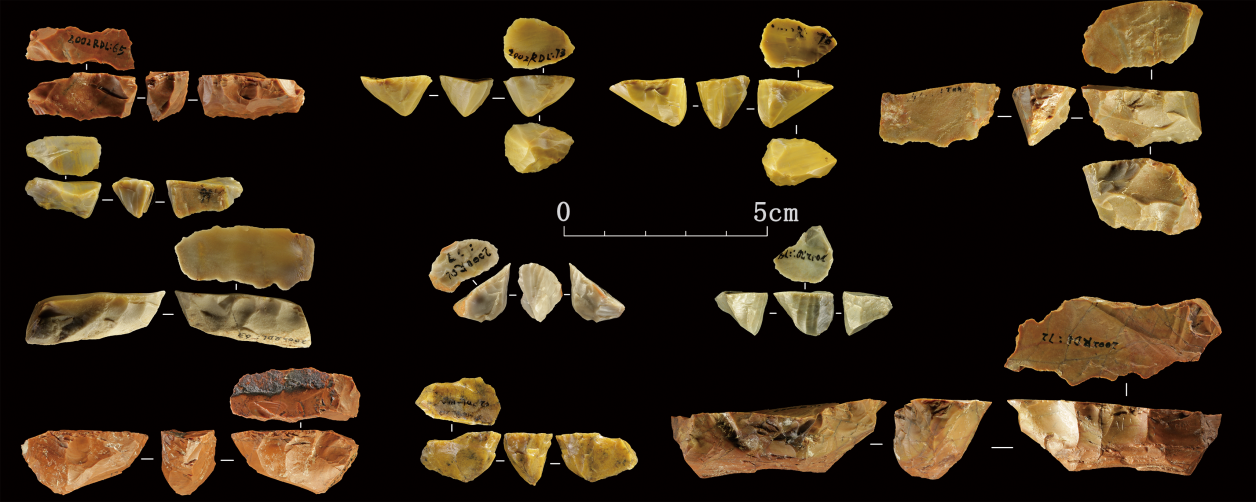
泥河湾盆地二道梁遗址船形石核的剥片模拟实验

仝广1,2(), 李锋3,4(), 高星2,5   

  1. 1.河北省文物考古研究院,石家庄 050031
    2.中国科学院古脊椎动物与古人类研究所,脊椎动物演化与人类起源重点实验室,北京 100044
    3.北京大学中国考古学研究中心,北京 100871
    4.北京大学考古文博学院,北京 100871
    5.中国科学院大学,北京 100049
  • 收稿日期:2024-03-17 接受日期:2024-08-15 出版日期:2026-02-15 发布日期:2026-02-13
  • 通讯作者: 李锋,研究员,主要从事旧石器时代考古研究。E-mail: fengli@pku.edu.cn
  • 作者简介:仝广,博士,主要从事旧石器时代考古研究。E-mail: 837762032@qq.com
  • 基金资助:
    国家社科基金中国历史研究院重大历史问题研究专项(21@WTK001);国家自然科学基金(42372010)

Simulation experiment on the flaking of boat-shaped core from the Erdaoliang site in the Nihewan Basin

TONG Guang1,2(), LI Feng3,4(), GAO Xing2,5   

  1. 1. Hebei Provincial Institute of Cultural Relics and Archaeology, Shijiazhuang 050031
    2. Key Laboratory of Vertebrate Evolution and Human Origins of Chinese Academy of Sciences, Institute of Vertebrate Paleontology and Paleoanthropology, Chinese Academy of Sciences, Beijing 100044
    3. Center for the Study of Chinese Archaeology, Peking University, Beijing 100871
    4. School of Archaeology and Museology, Peking University, Beijing 100871
    5. University of the Chinese Academy of Sciences, Beijing 100049
  • Received:2024-03-17 Accepted:2024-08-15 Online:2026-02-15 Published:2026-02-13

摘要:

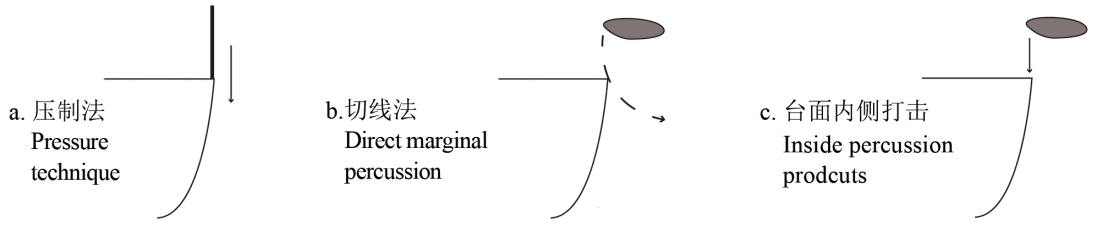
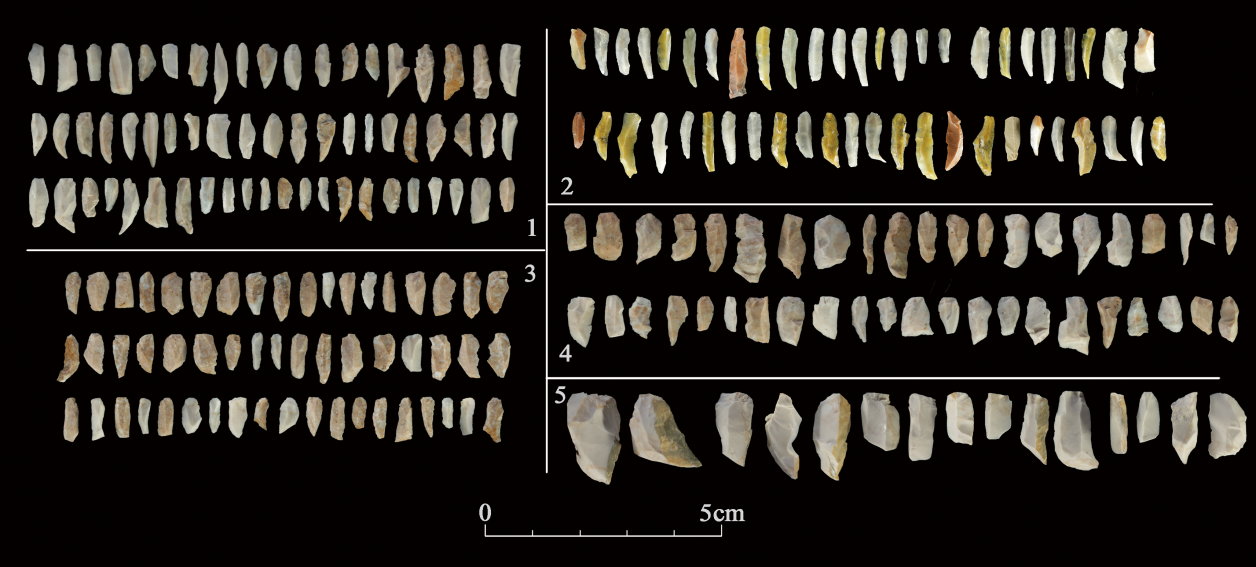
船形石核被认为是旧石器时代晚期细石叶剥片技术中的独特类别。长期以来,学者们围绕船形石核进行了大量讨论,但对其剥片方法的关注有所欠缺。剥片方法在细石叶技术中发挥着重要作用,制约着细石核的结构,影响着细石叶的形态。本文以剥片模拟实验为基础,将不同剥片方法生产的实验标本与泥河湾盆地二道梁遗址的细石叶分别进行宽、厚等传统线性数据的多种方式的定量对比。结果表明,二道梁遗址的船形石核应是采用软锤切线法剥片,而非压制法。为了与压制法生产细石叶的技术相区别,我们可之归入小石叶技术体系中。这一结论不同于学术界默认船形石核为压制法剥片的看法,有助于激发学者们开展相关实验探讨旧石器时代晚期细石叶类遗存的打击方式,进而深入理解东北亚地区旧石器时代晚期细石叶和小石叶类遗存技术的多样性及相关人群的迁移模式和环境适应特点。

关键词: 实验考古学, 船形石核, 软锤剥片, 小石叶

Abstract:

Although the boat-shaped core is regarded as a distinct lithic technology, it has been categorized within microblade technology. Arguments regarding its morphological characteristics, preparation methods, and classification are prevalent in scientific literature. Similar to other microblade technologies, research on boat-shaped cores has primarily concentrated on the preparation of their cores, which has been extensively explored by researchers. However, there has been relatively little investigation into its percussion technique. The percussion technique plays a crucial connecting role in microblade technology, restricting the structure of fine stone nuclei and influencing the morphology of fine stone blades. Moreover, the study of percussion technology can aid in the identification of microblade technology.

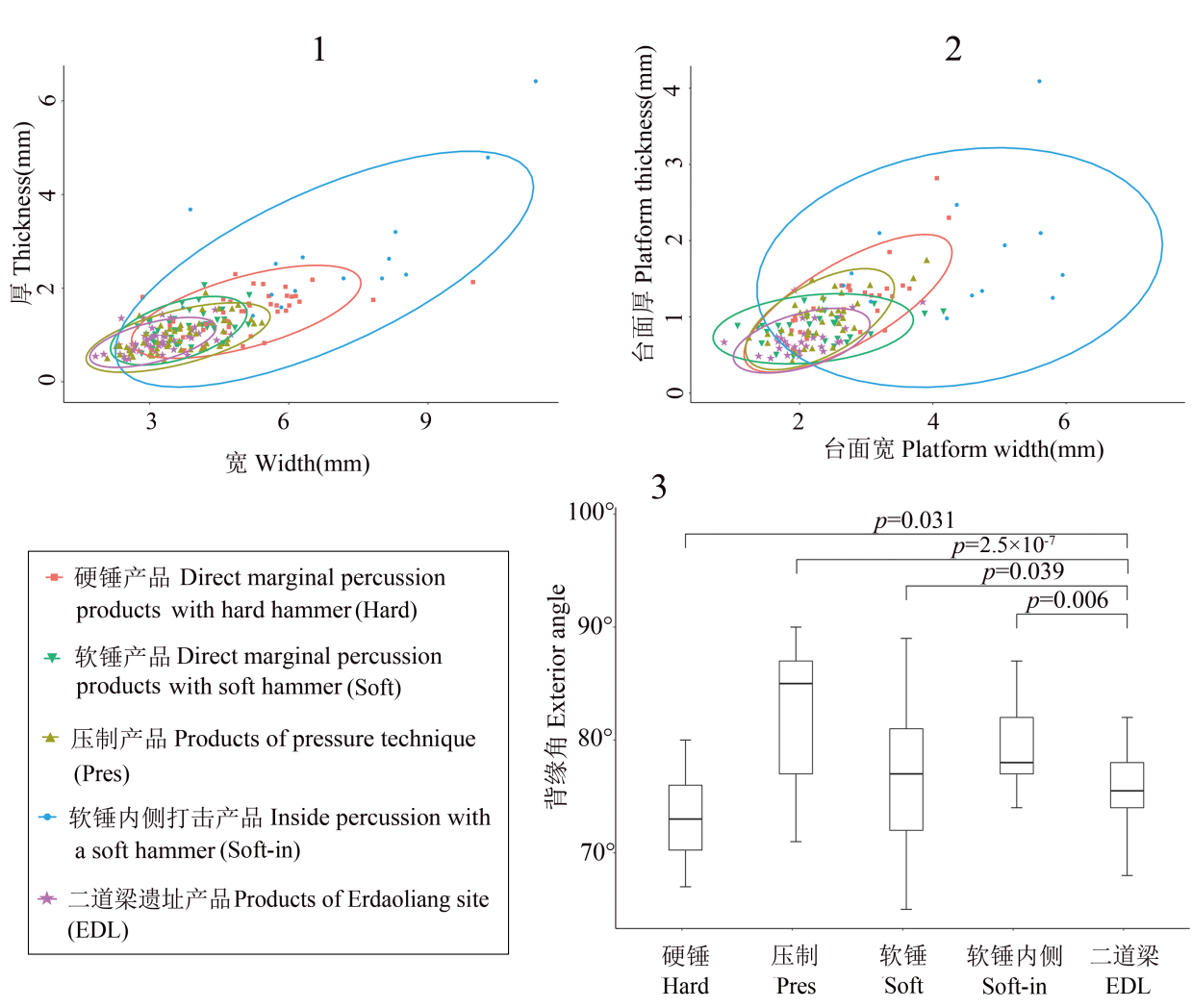
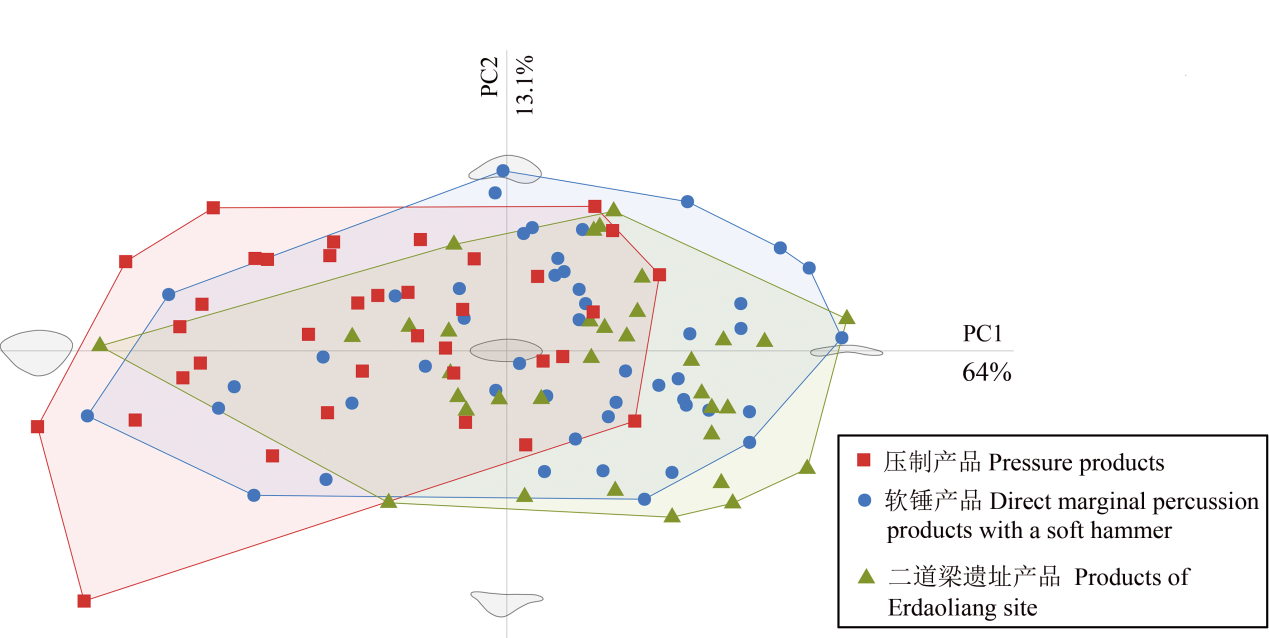
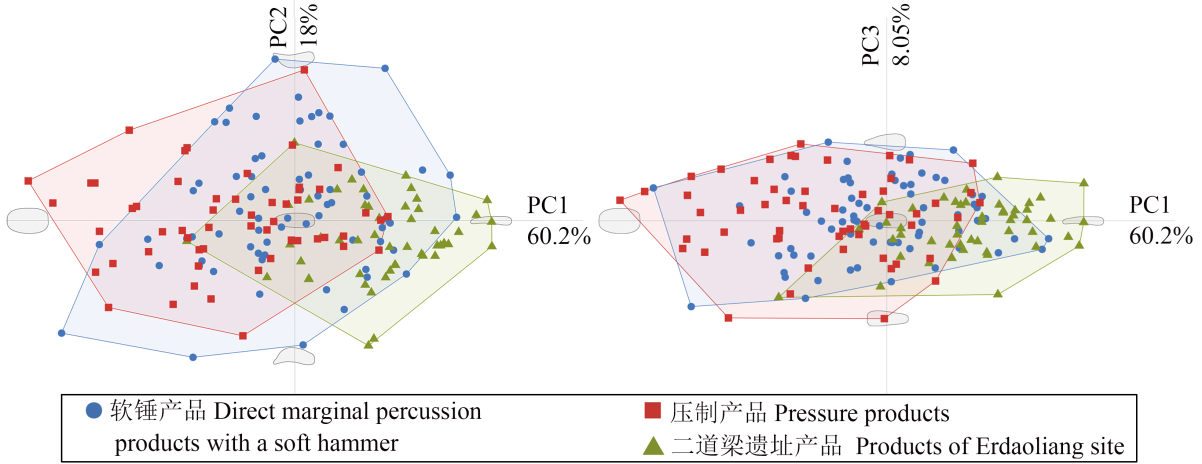
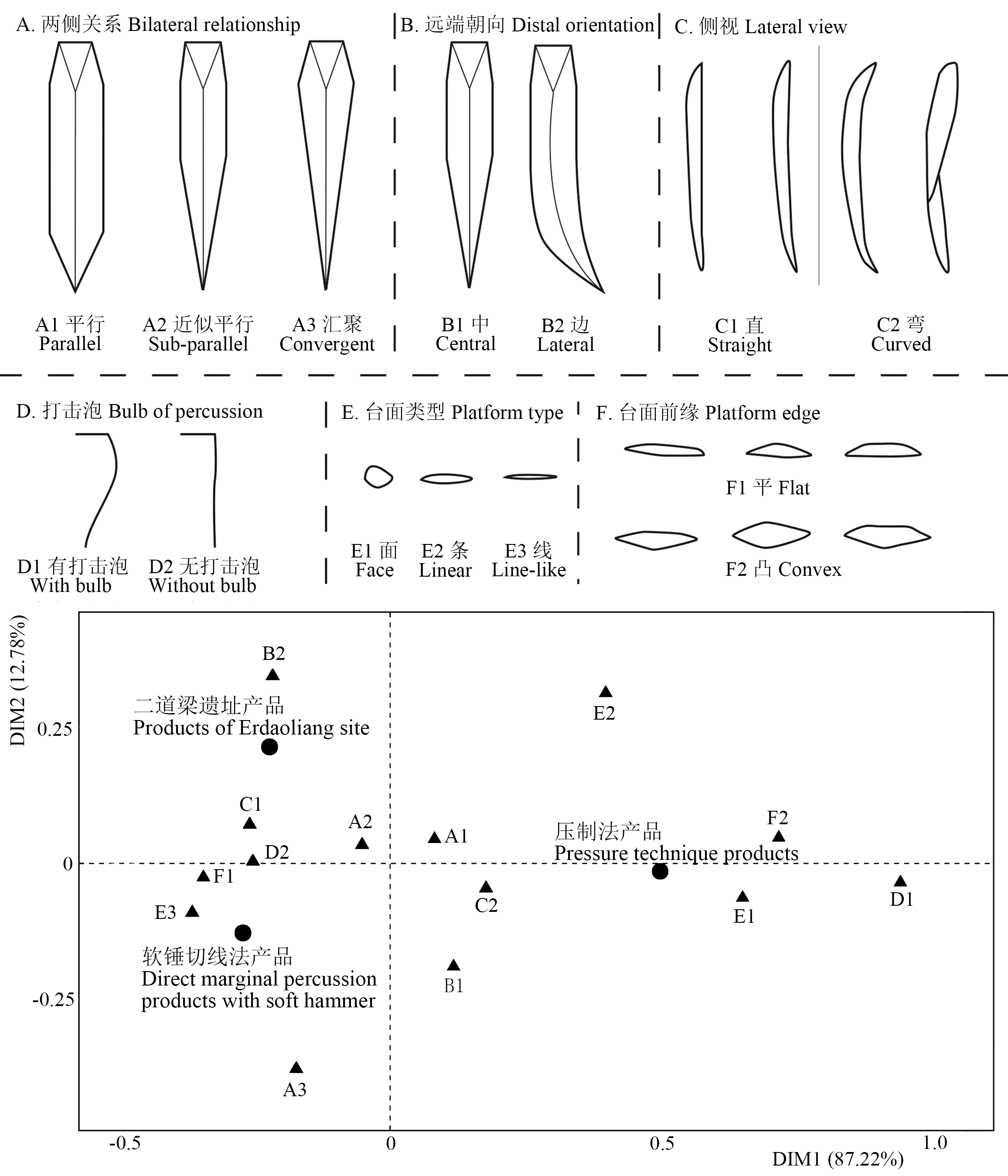
The aim of this study is to determine the percussion technique for the boat-shaped core by using archaeological materials from the Erdaoliang site in the Nihewan Basin, North China. To identify the striking technique of the boat-shaped cores, a research paradigm was developed that integrated stone-knapping experiments with quantitative analysis. A sample of bladelets was obtained using various percussion techniques, such as pressure, direct percussion with a hard hammer, direct percussion with a soft hammer, and others. These experimental products were then compared with archaeological materials using quantitative methods. Traditional linear data analysis, which involved parameters like thickness and width, along with geometric morphometric and correspondence analysis, was employed to assess the similarity between the experimental samples and the bladelets from the Erdaoliang site. Bladelet length was not used in linear data analysis because it is easily affected by factors other than the percussion technique. Ellipse Fourier analysis was utilized to analyze the platform and outline (ventral side down) of the bladelets. The analysis shows that the archaeological materials from the Erdaoliang site are similar in width, thickness, etc. to the products of pressure and direct percussion with a soft hammer. However, their exterior angles are closer to those of direct percussion with a soft hammer and smaller than those of pressure products. The Ellipse Fourier analysis yielded consistent results. The correspondence analysis also indicates that the products of soft-hammer flaking are more similar to the Erdaoliang bladelets.

Based on the quantitative study, the bladelets from the Erdaoliang site were most likely produced using the soft-hammer technique, which differs from microblade technology in that it involves pressure flaking. Therefore, boat-shaped cores should be considered within the context of bladelet technology rather than microblade technology. This finding contributes to a better understanding of the diversity of microblade and bladelet technologies in the Upper Paleolithic of Northeast Asia, as well as the diffusion patterns and environmental adaptations of different late Upper Paleolithic technologies.

Key words: experimental archaeology, boat-shaped cores, soft hammer percussion, bladelets

中图分类号: