人类学学报 ›› 2025, Vol. 44 ›› Issue (04): 714-726.doi: 10.16359/j.1000-3193/AAS.2024.0071cstr: 32091.14.j.1000-3193/AAS.2024.0071

• 研究论文 • 上一篇    

2015~2018年河南栾川龙泉洞遗址发掘简报

李璇1,2(), 顾雪军3()   

  1. 1.河南科技大学人文学院,洛阳 471000
    2.黄河文明与河洛文化研究中心,洛阳 471000
    3.洛阳市考古研究院,洛阳 471000
  • 收稿日期:2024-02-06 接受日期:2024-05-28 出版日期:2025-08-15 发布日期:2025-08-07
  • 通讯作者: 顾雪军
  • 作者简介:李璇,讲师,主要从事旧石器时代考古学研究。E-mail: 11lixuan11@163.com
  • 基金资助:
    国家社科基金青年项目(19CKG005);河南科技大学博士科研启动基金(13480039)

A preliminary report of 2015~2018 excavation at the Longquan Cave site, Luanchuan, Henan

LI Xuan1,2(), GU Xuejun3()   

  1. 1. The College of Humanities, Henan University of Science and Technology, Luoyang 471000
    2. Research Center of Yellow River Civilization and Heluo Culure, Luoyang 471000
    3. Luoyang City Cultural Relics and Archaeology Research Institute, Luoyang 471000
  • Received:2024-02-06 Accepted:2024-05-28 Online:2025-08-15 Published:2025-08-07
  • Contact: GU Xuejun

摘要:

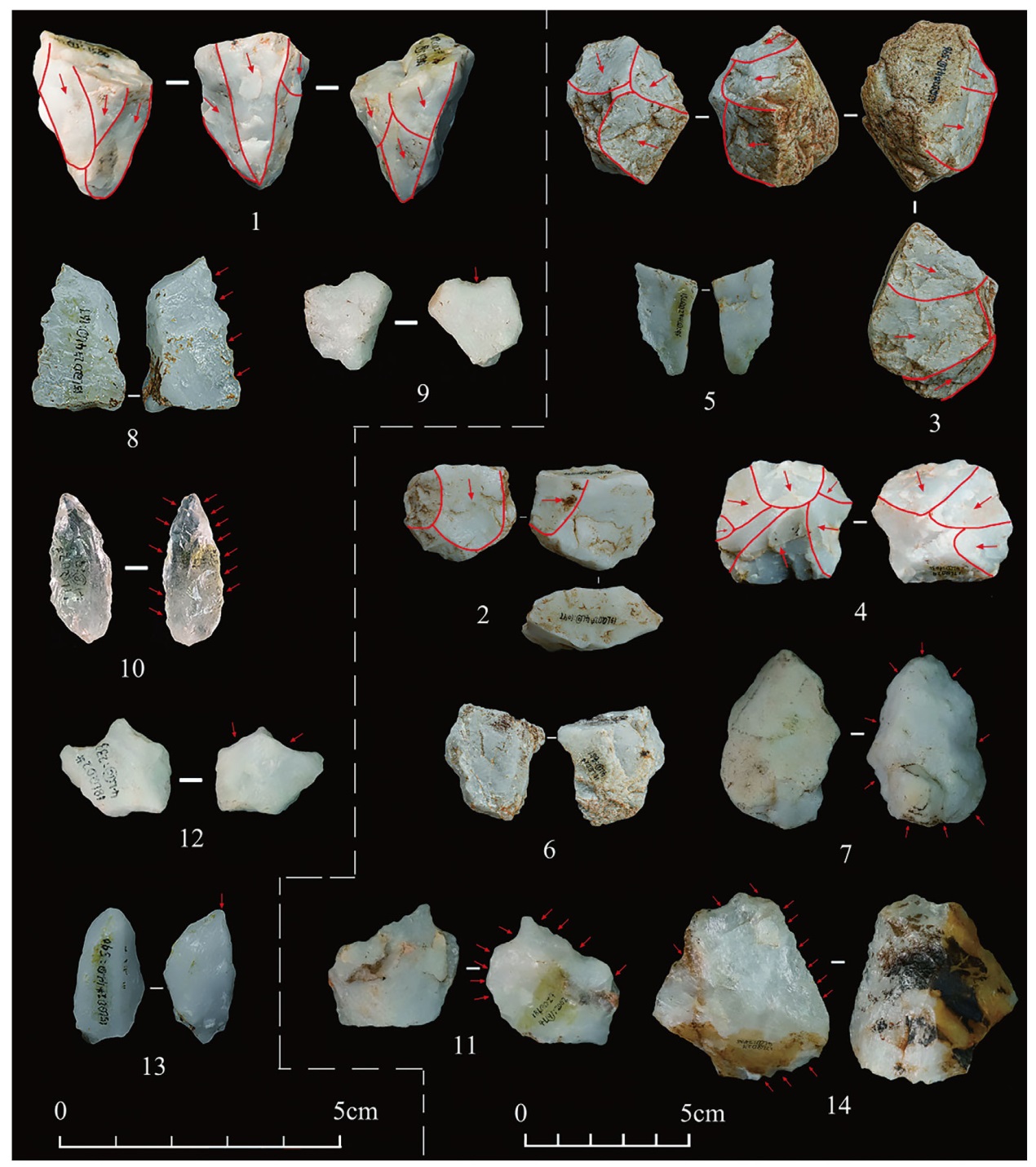
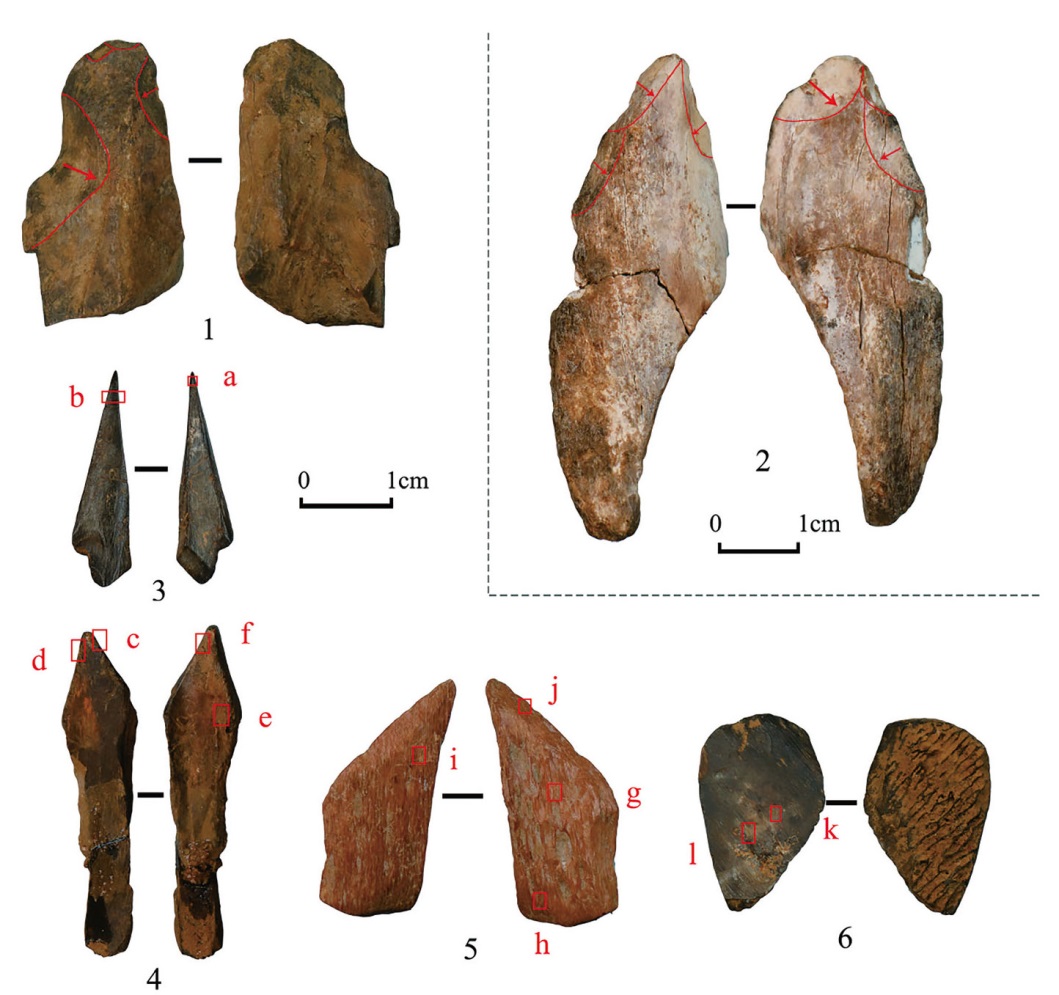
龙泉洞遗址是一处文化遗存丰富的旧石器时代洞穴遗址。2015-2018年发掘面积约14 m2,出土遗物20000多件,包括大量的石制品和动物化石、骨器,发现用火遗迹5处,另有大量淘洗标本。石制品原料以脉石英为主,打片和加工技术以锤击法为主,偶尔使用砸击法。种类包括石核、石片、断块和石器,其中石器类型多样,有石锤、刮削器、锯齿刃器、尖状器、凹缺器、锥钻等。骨器采用打制、刮制、磨光等方式加工成器,种类以骨锥和骨尖状器为主。用火遗迹包括1处灰烬和4处疑似火塘,古人类在火塘周围可能从事不同的活动。结合历年测年数据来看,2015~2018年发掘区域的主要文化层年代在4.1万~3.4万年。龙泉洞遗址的发现对探索晚更新世时期现代人行为适应性的多样化、南北方人群的迁徙和交流有重要的意义。

关键词: 龙泉洞, 旧石器时代晚期, 石制品, 骨器, 用火遗迹

Abstract:

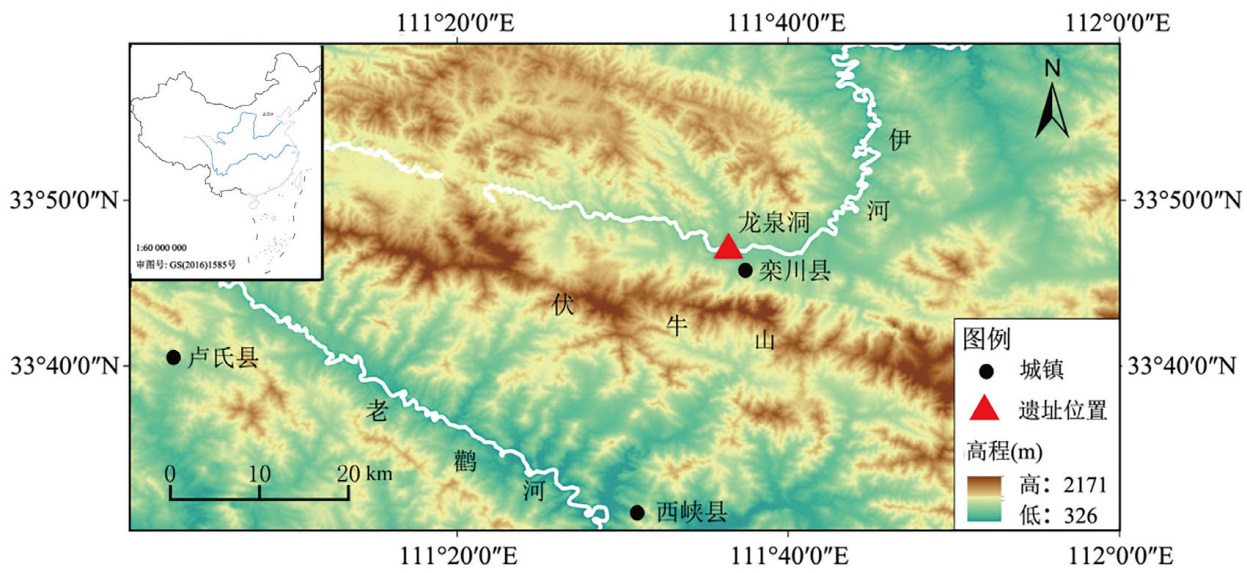
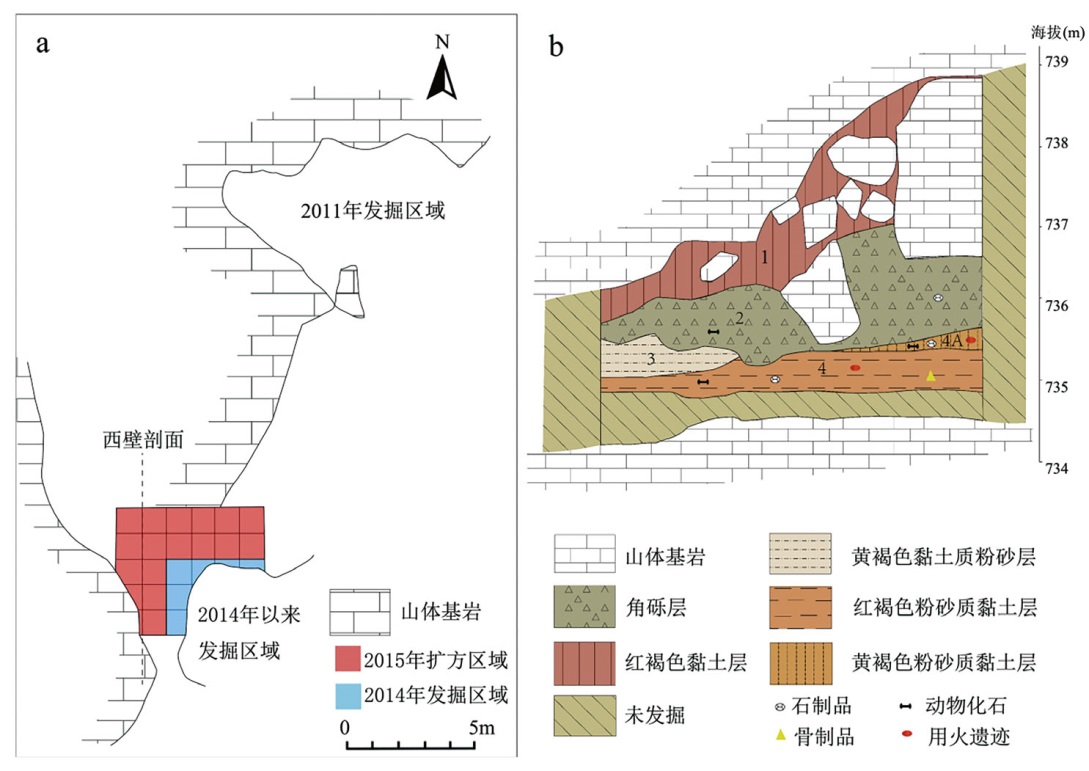
The Longquan Cave site, situated in Luanchuan County of Luoyang City, Henan Province with precise geographical coordinates of 33°47′24″N and 111°36′28″E, and an altitude of around 734 meters, is a remarkable early Upper Paleolithic wonder. Archaeological endeavors here began in 2011 and 2014, and then continuous work has been carried out from 2015 to 2023. During the period from 2015 to 2018, an area of approximately 14 square meters was meticulously explored. This yielded an astonishing number of over 20,000 artifacts. The lithic artifacts are a significant part of this collection. The ancient occupants cleverly chose quartz as their main raw material for stone tool production. Using direct hammer percussion, they skillfully created flakes and retouched tools. Occasionally, they also employed bipolar percussion, showcasing their adaptability in toolmaking techniques. The stone artifacts range from cores to various tools like hammers for pounding, scrapers for processing materials, denticulates with their unique serrated edges, points for multiple uses such as hunting or piercing, notches for specific functions, and awls for making holes. They form a simple core and flake industry dominated by small stone tools.
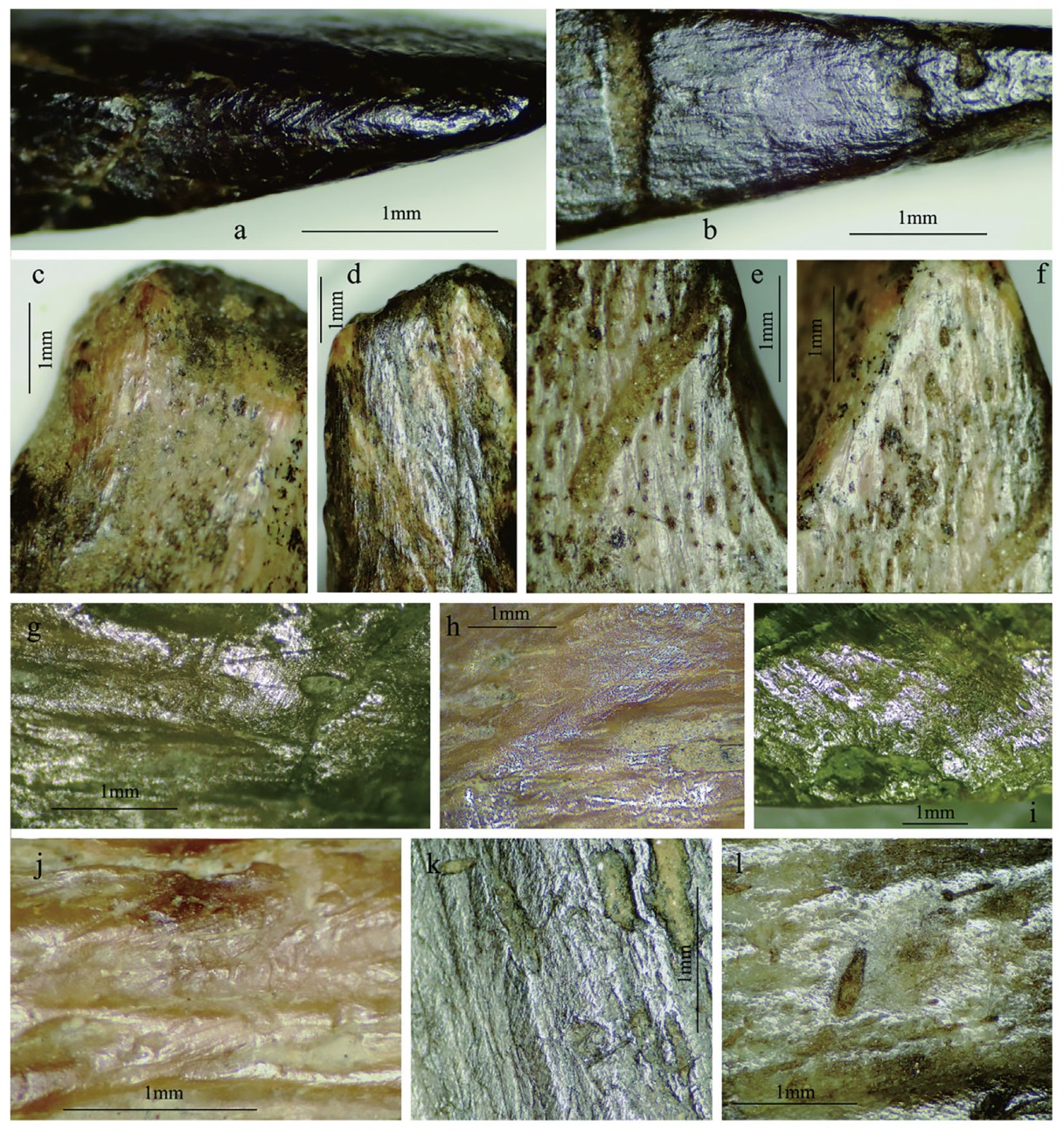
Bone tools are another important find. Crafted through chipping to shape, scraping to refine, grinding to smoothen, and polishing to finish, they mainly consist of bone awls and bone points which likely had various practical applications in daily life. The animal fossils, mainly limb bones of herbivores and carnivores, are mostly fragmented and relatively small. These fossils offer insights into the diet and surrounding environment of the ancient dwellers.
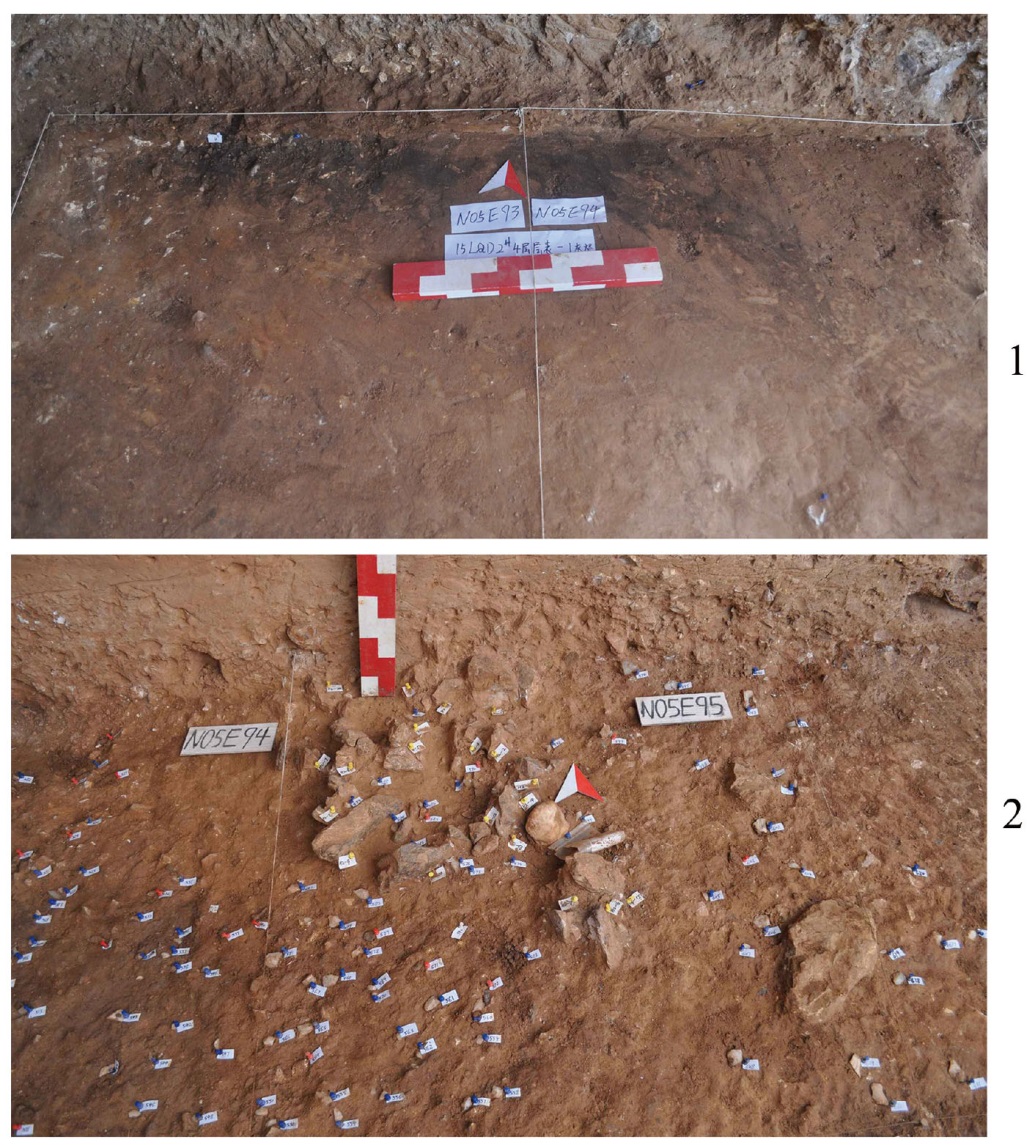
Five remains of human use-fire were discovered, including a pile of ashes and four suspected hearths. The hearths are surrounded by small upright stones from the mountain bedrock, arranged in a relatively regular pattern. It is highly probable that the dwellers carried out various activities around these hearths.
Based on the latest dating data, the main cultural layers from 2015 to 2018 date back to 41~34 kaBP cal. When combined with data from other years, the entire site has a time span of approximately 47~30 kaBP cal. This site is of immense significance. It provides crucial materials for researching modern human behavioral adaptability during the late Pleistocene and understanding the migration and communication between people in northern and southern China. It is truly a valuable archaeological treasure that holds the keys to unlocking many mysteries of our ancient past.

Key words: Longquan cave, Upper Paleolithic, lithic artifacts, bone tools, remains of fire-use

中图分类号: