| [1] |
【苏】格拉西莫夫 MM. 从头骨复原面貌的原理[M]. 译者:吴新智,孙廷魁,王钟明,等. 北京: 科学出版社, 1958, 1-242
|
| [2] |
Wilkinson C. Computerized forensic facial reconstruction[J]. Forensic Science Medicine Patholology, 2005, 1(3): 173-177
|
| [3] |
Lee WJ, Yoon AY, Mi KS, et al. The archaeological contribution of forensic craniofacial reconstruction to a portrait drawing of a Korean historical figure[J]. Journal of Archaeological Science, 2014, 49: 228-236
|
| [4] |
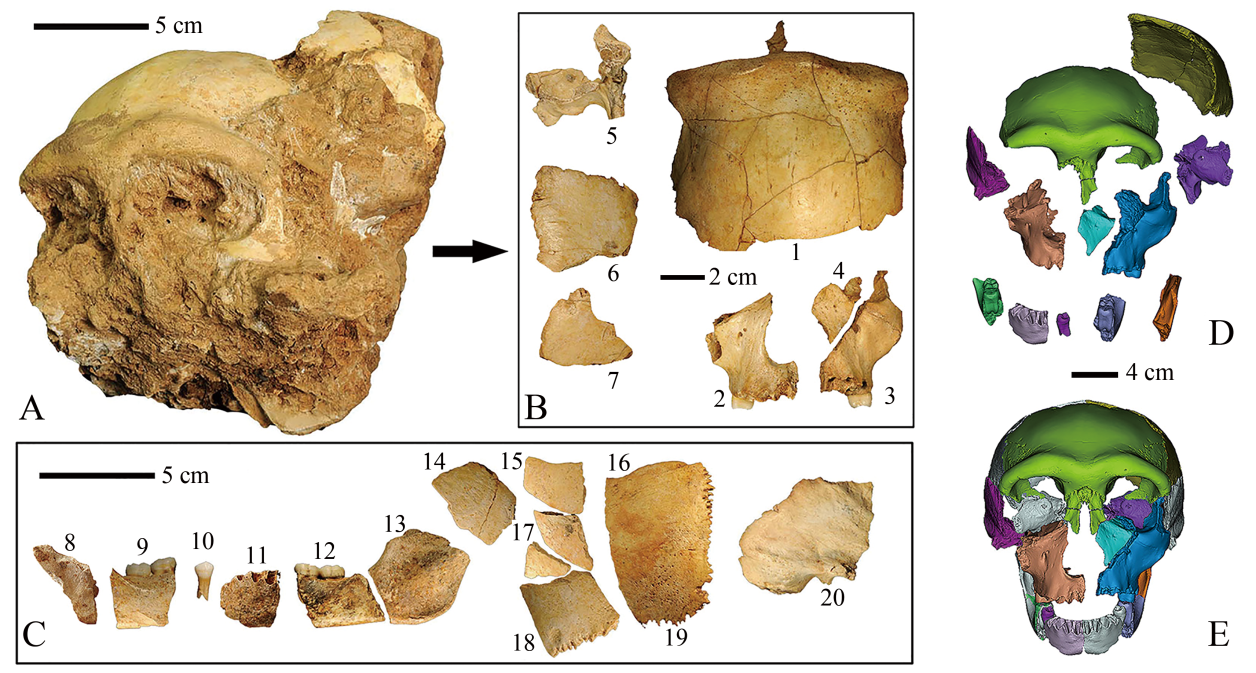
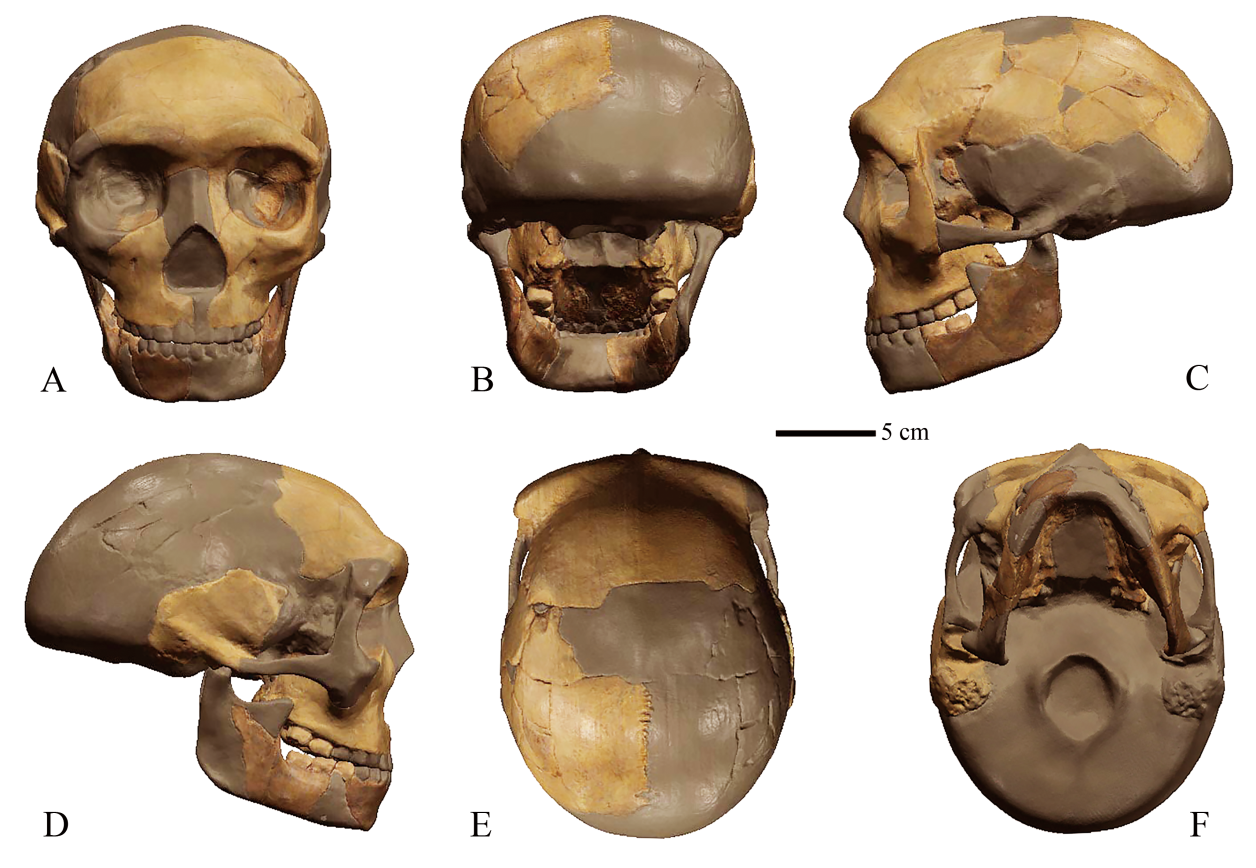
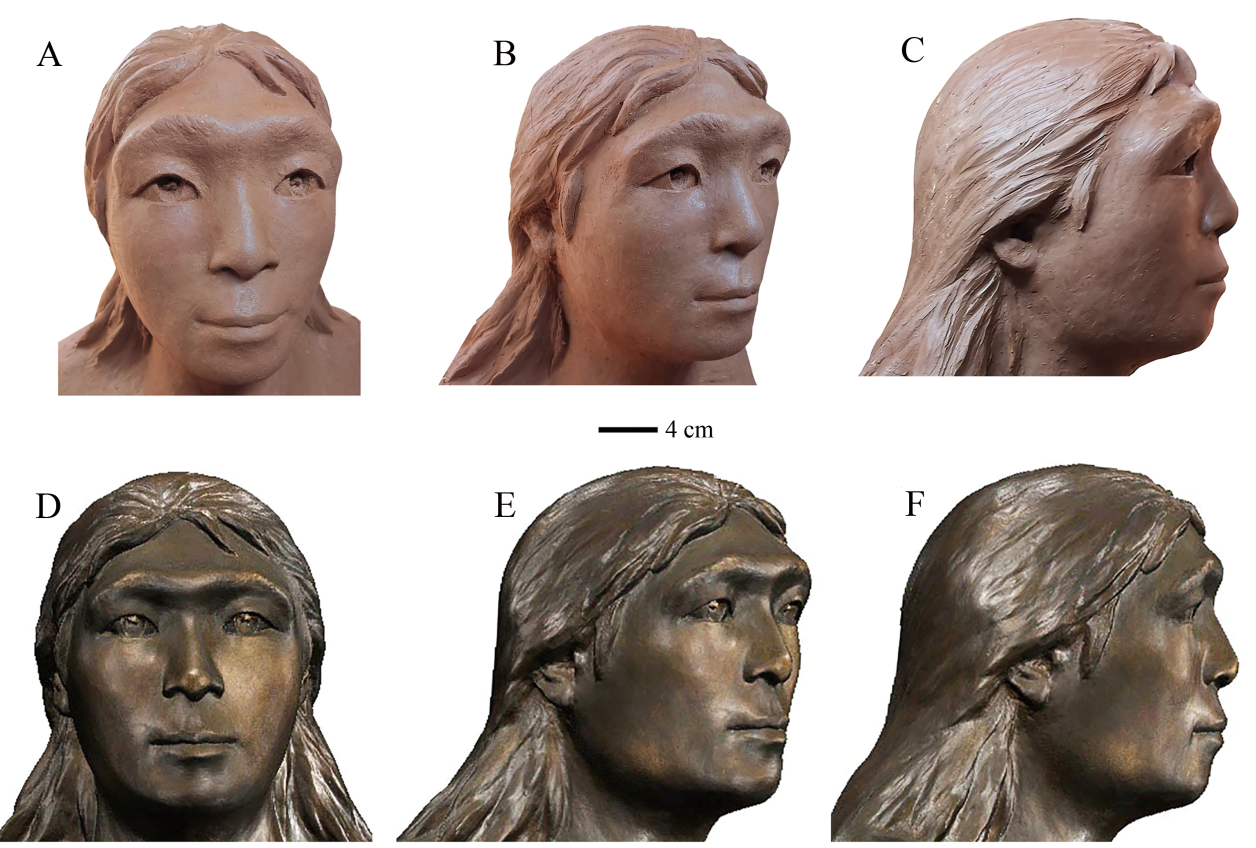
税午阳, 吴秀杰. 奇和洞古人类头骨面貌的三维虚拟复原[J]. 科学通报, 2018, 63: 745-754
|
| [5] |
Shui WY, Wu XJ, Zhou MQ. A computerized facial approximation method for Homo sapiens based on facial soft tissue thickness depths and geometric morphometrics[J]. Journal of Anatomy, 2023, 243: 796-812
|
| [6] |
Lee WJ, Wilkinson C, Hwang HS. An accuracy assessment of forensic computerized facial reconstruction employing cone-beam computed tomography from live subjects[J]. Journal of Forensic Science, 2012, 57(2): 318-327
|
| [7] |
吴汝康, 吴新智, 王存义. 中国猿人女性头象的复原[J]. 古脊椎动物与古人类, 1959, 1(3): 147-150
|
| [8] |
朱泓, 周慧, 林雪川. 老山汉墓女性墓主人的种族类、DNA分析和颅像复原[J]. 文物, 2004, 2: 21-27
|
| [9] |
Weidenreich F. The skull of Sinanthropus pekinensis: a comparative on a primitive hominid skull[M]. Palaeontologia Sinica Series D, 1943, 10: 1-484
|
| [10] |
Dong Y, Huang L, Feng Z, et al. Influence of sex and body mass index on facial soft tissue thickness measurements of the northern Chinese adult population[J]. Forensic science international, 2012, 222(1-3): 396, e1-e7
|
| [11] |
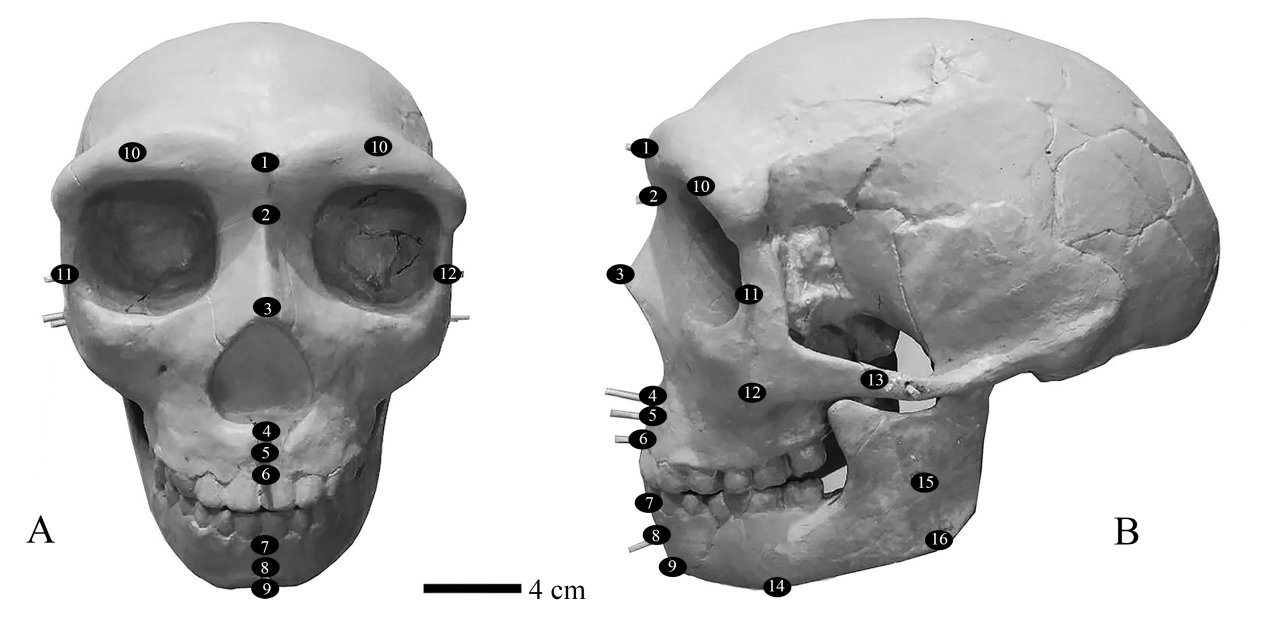
Shui WY, Zhou MQ, Deng QQ, et al. Densely Calculated Facial Soft Tissue Thickness for Craniofacial Reconstruction in Chinese Adults[J]. Forensic science international, 2016, 266(573): 573, e1-e12
|
| [12] |
吴新智, 赵忠义. 马坝人头象的复原[A]. 见:广东省博物馆,曲江县博物馆(编). 纪念马坝人化石发现三十周年文集[C]. 北京: 文物出版社, 1988, 43-44
|
| [13] |
吴新智. 谈我国几个化石人的复原像[J]. 化石, 1981, 4: 8-9
|
| [14] |
张建军. 谈我国古人类化石面貌复原像[J]. 大自然, 2011, 3: 24-26
|
| [15] |
税午阳, 邓擎琼, 吴秀杰, 等. 颅面复原技术在体质人类学中的应用概述[J]. 人类学学报, 2021, 40(4): 706-720
|
| [16] |
Wu XJ, Pei SW, Cai YJ, et al. Archaic human remains from Hualongdong, China, and Middle Pleistocene human continuity and variation[J]. Proceedings of the National Academy of Sciences the United States of America, 2019, 116: 9820-9824
|
| [17] |
Wu XJ, Pei SW, Cai YJ, et al. Morphological description and evolutionary significance of 300 ka hominin facial bones from Hualongdong, China[J]. Journal of Human Evolution, 2021, 161, 102052.
|
| [18] |
吴汝康, 吴新智, 张振标. 人体测量方法[M]. 北京: 科学出版社,1984
|
| [19] |
税午阳, 周明全, 纪元, 等. 面部软组织厚度测量及其在面貌复原中的应用[J]. 人类学学报, 2013, 32(3): 345-353
|
| [20] |
陈廷瑜, 余家树, 钟山, 等. 中国土家族人群头面部软组织厚度的测量[J]. 中国法医学杂志, 2005, 20(4): 213-215
|
| [21] |
吴秀杰, 刘武, 张全超, 等. 中国北方全新世人群头面部形态特征的微观演化[J]. 科学通报, 2007, 52(2): 192-198
|
| [22] |
Wu XJ, Pei SW, Cai YJ, et al. Morphological and morphometric analyses of a late Middle Pleistocene hominin mandible from Hualongdong, China[J]. Journal of Human Evolution, 2023, 182, 103411.
|
| [23] |
刘武, 邢松, 吴秀杰. 中更新世晚期以来中国古人类化石形态特征的多样性[J]. 中国科学, 2016, 46(7): 906-917
|
| [24] |
税午阳, 张亚盟, 吴秀杰, 等. 山顶洞101 号男性头骨的三维颅面复原[J]. 人类学学报, 2020, 39(4): 659-670
|
| [25] |
Phillips VM, Smuts NA. Facial reconstruction: utilization of computerized tomography to measure facial tissue thickness in a mixed racial population[J]. Forensic science international, 1996, 83(1): 51-59
doi: 10.1016/0379-0738(96)02010-5
pmid: 8939013
|
| [26] |
刘武, 吴秀杰, 邢松. 现代人的出现与扩散:中国的化石证据[J]. 人类学学报, 2016, 35(1): 1-11
|
| [27] |
Armitage S, Jasim S, Marks A, et al. The southern route "Out of Africa": evidence for an early expansion of modern humans into Arabia[J]. Science, 2011, 331: 453-456
doi: 10.1126/science.1199113
pmid: 21273486
|
| [28] |
Hublin JJ, Ben-Ncer A, Bailey S, et al. New fossils from Jebel Irhoud, Morocco and the pan-African origin of Homo sapiens[J]. Nature, 2017, 546: 289-292
|
| [29] |
Trinkaus E. Early modern humans[J]. Annual Review of Anthropology, 2005, 34: 207-230
|


 ), 吴秀杰2(
 京ICP证05002819号-3