人类学学报 ›› 2026, Vol. 45 ›› Issue (03): 478-488.doi: 10.16359/j.1000-3193/AAS.2026.0036cstr: 32091.14.j.1000-3193/AAS.2026.0036

• 研究论文 • 上一篇    下一篇

泥河湾盆地益堵泉旧石器时代晚期遗址2019年发掘简报

郭晓明1(), 刘惜祯2, 刘恒1, 王春雪2, 王法岗1()   

  1. 1 河北省文物考古研究院石家庄 050031
    2 吉林大学考古学院长春 130012
  • 收稿日期:2026-02-04 接受日期:2026-04-14 出版日期:2026-06-15 发布日期:2026-06-12
  • 通讯作者: 王法岗,文博研究馆员,主要从事旧石器时代考古学研究。E-mail: 120835216@qq.com
  • 作者简介:郭晓明,文博副研究馆员,主要从事考古出土品的保管与研究。E-mail: 63743067@qq.com
  • 基金资助:
    国家社会科学基金青年项目(22CKG009)

A report on 2019 excavation of the Yiduquan late Paleolithic site in the Nihewan Basin

GUO Xiaoming1(), LIU Xizhen2, LIU Heng1, WANG Chunxue2, WANG Fagang1()   

  1. 1 Hebei Provincial Institute of Cultural Relics and Archaeology, Shijiazhuang 050031
    2 School of Archaeology, Jilin University, Changchun 130012
  • Received:2026-02-04 Accepted:2026-04-14 Online:2026-06-15 Published:2026-06-12

摘要:

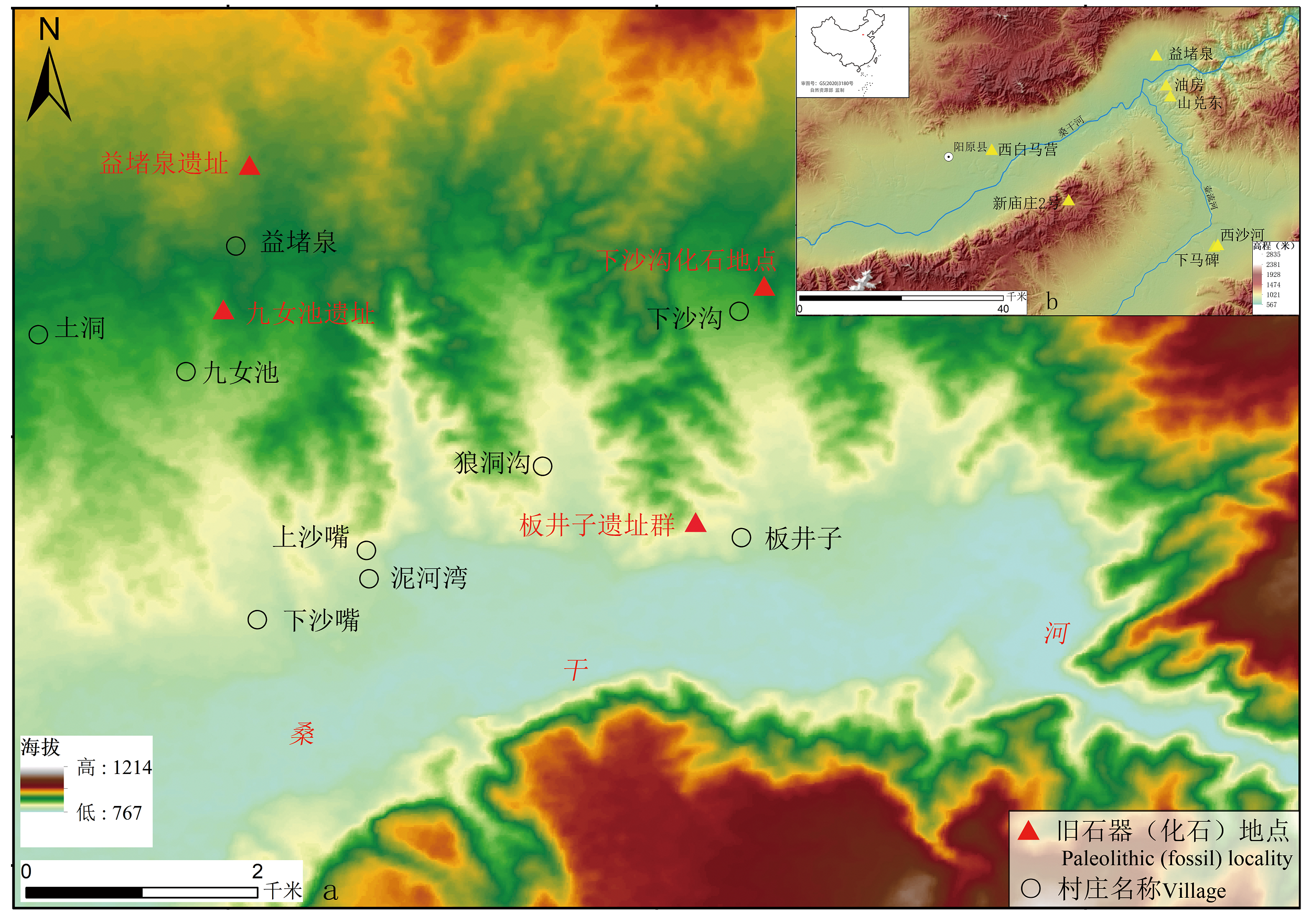
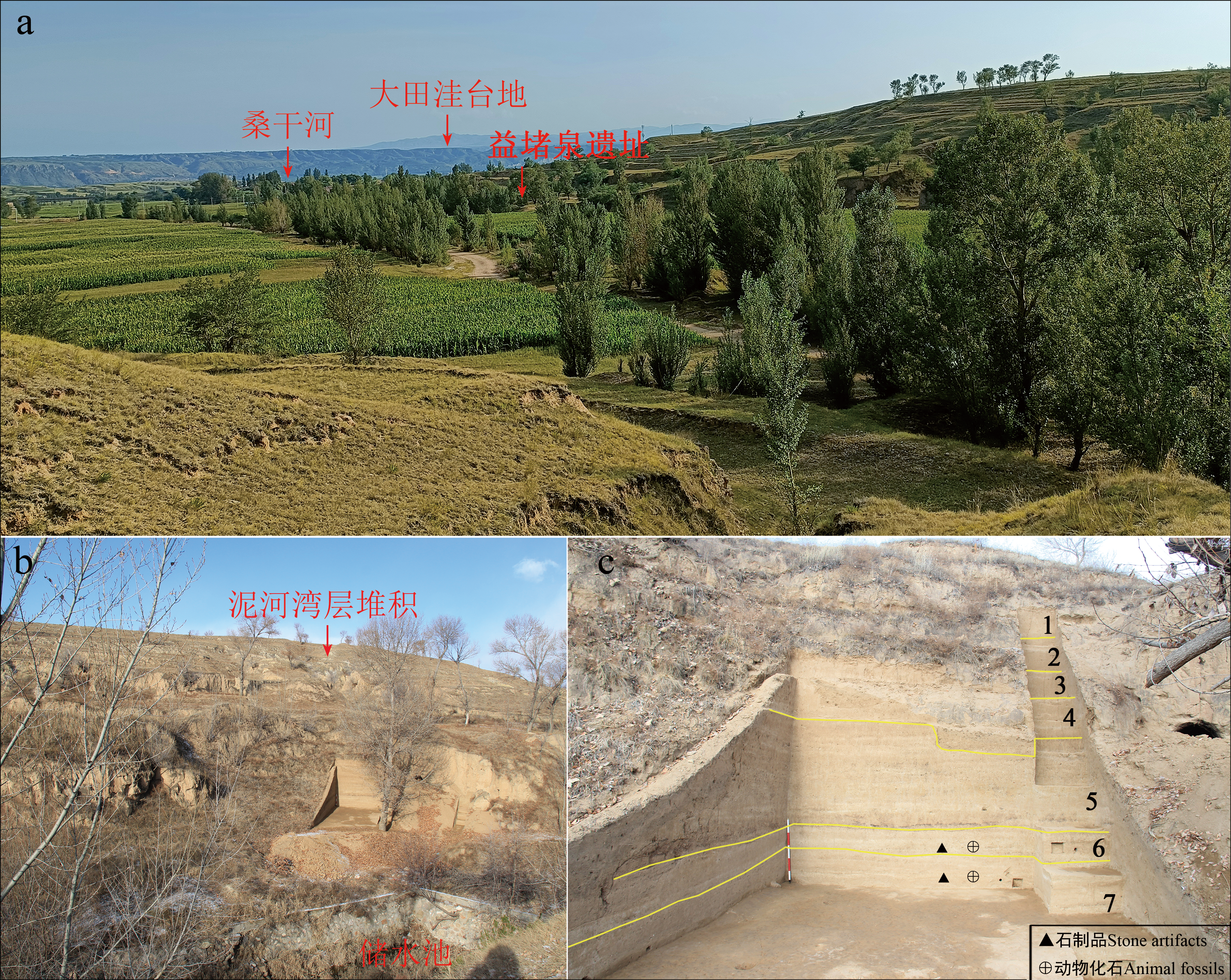
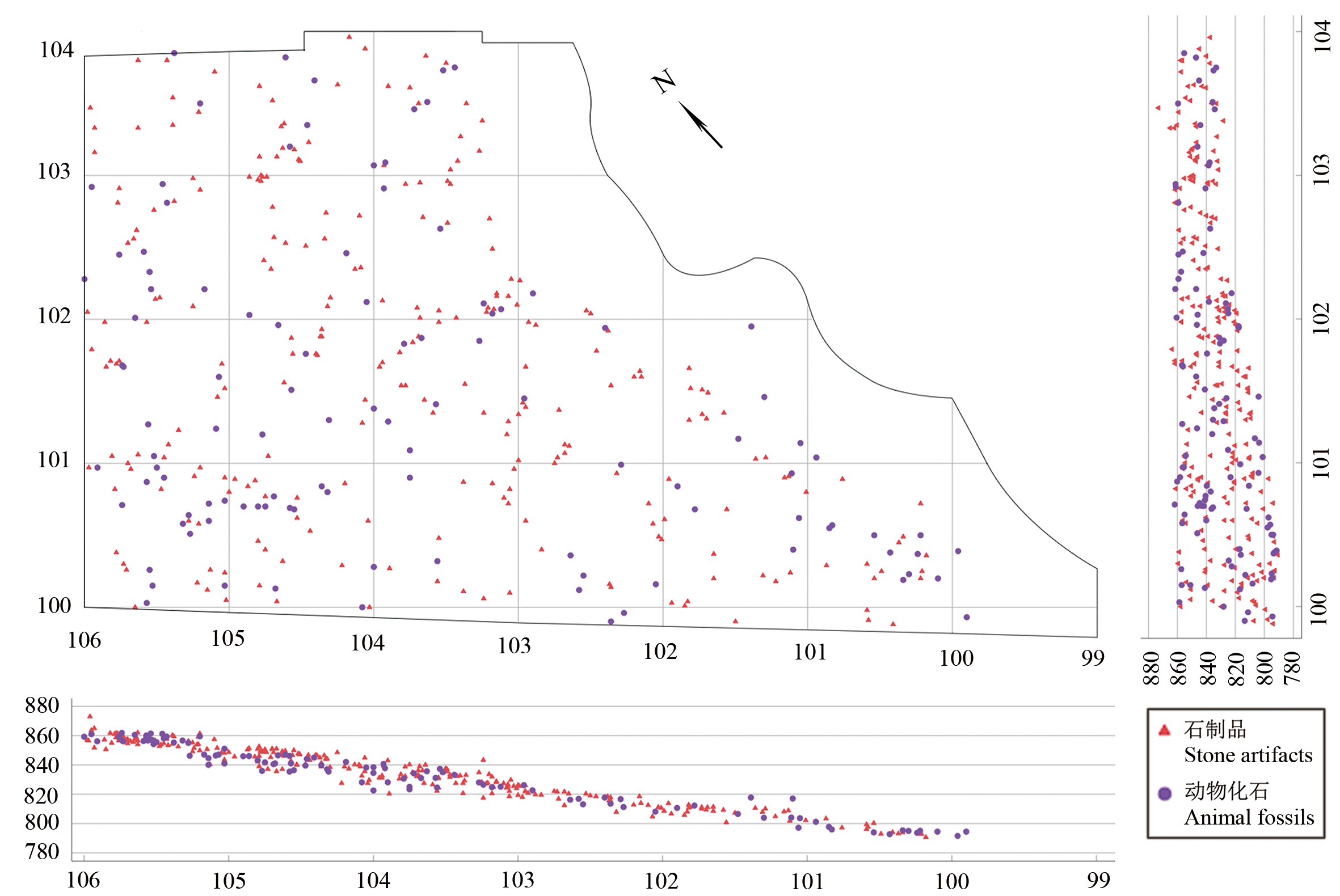
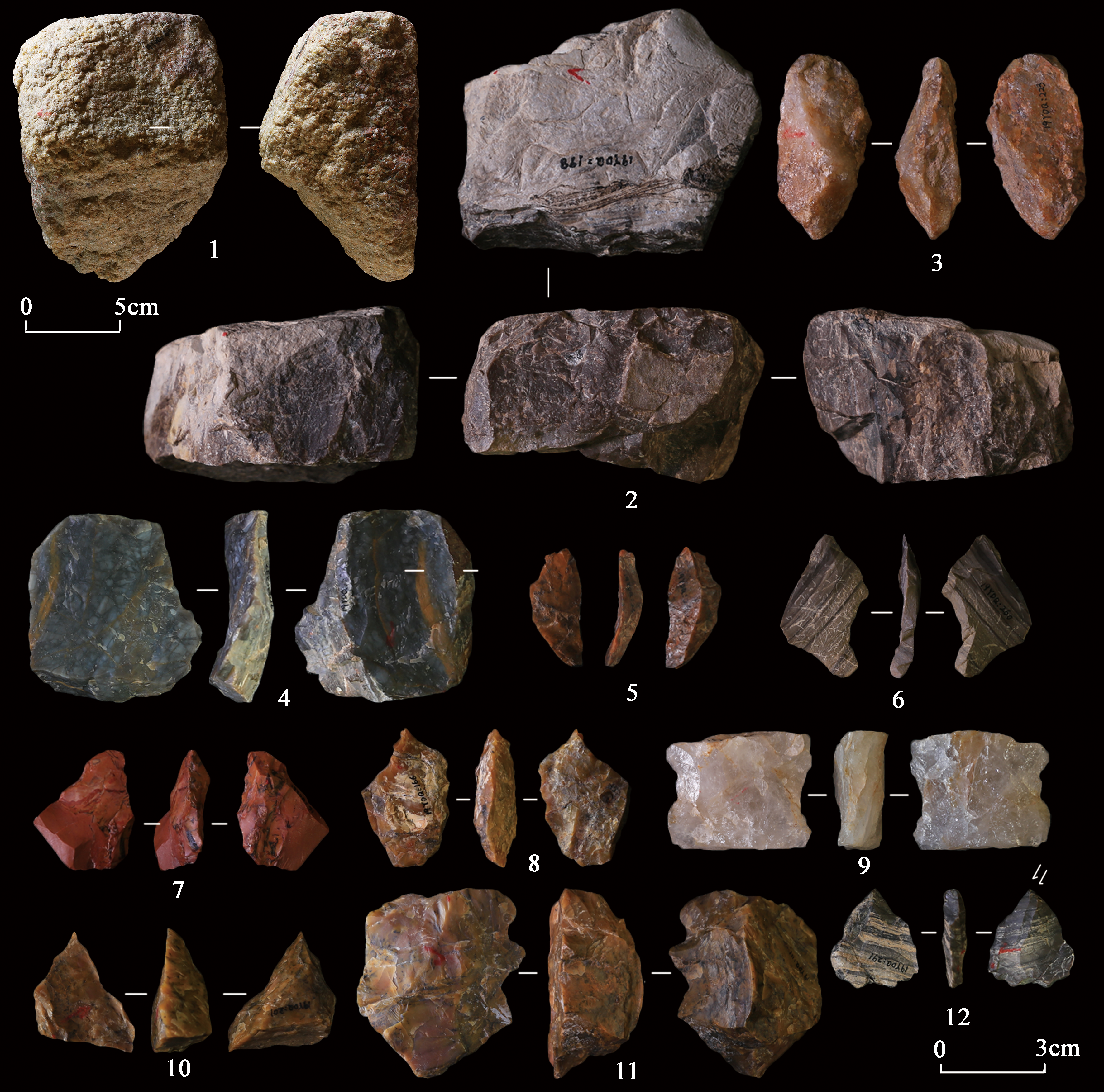
2019年,河北省文物考古研究院在泥河湾盆地东端益堵泉遗址开展调查,发掘面积20 m2,发现石制品272件、动物化石107件。石制品原料比较丰富,主要以石英、燧石、白云岩为主;剥片以锤击法为主,少量砸击技术;石制品类型相对丰富,包括一类工具、石核、石片、石器、备料、断块(含碎屑)等;石片、工具均以小型的为主;工具比例较低,类型简单,主要为刮削器,少量尖状器、锯齿刃器、砍砸器、雕刻器等,属于中国北方以小石器为主的石器工业类型。动物骨骼的AMS 14C测年结果显示遗址距今3.4万~2万年,处于华北地区石器技术变革、人类行为复杂化、现代性的关键时期,为探索华北地区小石器技术的延续发展、早期现代人阶段石器技术的多样性提供了重要资料。

关键词: 泥河湾, 益堵泉遗址, 旧石器时代晚期, 小石器工业, 石制品

Abstract:

The Yiduquan paleolithic site, located on the eastern edge of the Nihewan Basin,was discovered by the research team of Hebei Provincial Institute of Cultural Relics and Archaeology in 2019, and excavation was carried out at this site, the area is 20 m2. During which 272 stone artifacts and 107 fossils were discovered. The raw materials for stone artifacts are relatively abundant. Chert, quartz and dolomite are the main raw material of the stone artifacts. Hammering is the main method for knapping, and there is also a small amount of stone artifacts is geared to bipolar technology. The types of stone artifacts are relatively diverse, including stone hammers, cores, flakes, tools, stocks and chunks (including fragments), and etc. Flakes and tools are mainly in small size and the tools is relatively low, with a single range of types available. Such as scrapers, points, denticulates, choppers and borers which pertain to the tradition of core-flake technology in northern China. The lithic technology at the Yiduquan site belongs to the core-flake industry tradition, which is a typical representative of the dominant core-flake industry in northern China. It inherits the long-standing lithic technological tradition that has developed in North China over the past million years. The stone artifacts from this site show strong similarities to those from earlier and middle Pleistocene sites in Nihewan basin, such as Majuangou site, Xiaochangliang site and Maliang site. The stone artifacts from Yiduquan site appear relatively simple and primitive, with no evidence of platform preparation. The use of alternating flaking is common, and there is a high proportion of blanks made from cortical pieces as well as pieces with alternate retouch, highlighting a pronounced expedient character. The flakes from Yiduquan site have distinctive features: a considerable number of specimens exhibit miniaturized platforms, some of which are so small as to be point-like or linear. This may suggest that the hominins had achieved a high level of flaking skill, with greater control over the point of percussion—an indicator of technological advancement. The AMS 14C dating of fossil remains indicates that Yiduquan site dates back to 34000 - 20000 BP, which is in a critical period of lithic technology transformation, human behavior complexity and modernity in North China. It providing important data for exploring the continuous development of the core-flake technology and the diversity of lithic technology in the early modern human stage in North China.

Key words: Nihewan Basin, Yiduquan site, late Paleolithic, core-flake industry, stone artifact

中图分类号: