人类学学报 ›› 2026, Vol. 45 ›› Issue (03): 436-446.doi: 10.16359/j.1000-3193/AAS.2026.0037cstr: 32091.14.j.1000-3193/AAS.2026.0037

• 研究论文 • 上一篇    下一篇

泥河湾盆地禾尧庄遗址2013年出土的石制品

刘恒1(), 侯佳岐2(), 李曼玥3,4, 董梁1, 王法岗1   

  1. 1 河北省文物考古研究院石家庄 050031
    2 内蒙古师范大学历史文化学院呼和浩特 010022
    3 河北师范大学历史文化学院考古学系石家庄 050024
    4 河北省东方人类起源与文明探源重点实验室石家庄 050024
  • 收稿日期:2026-02-04 接受日期:2026-04-14 出版日期:2026-06-15 发布日期:2026-06-12
  • 通讯作者: 侯佳岐,讲师,主要从事旧石器时代考古学研究。E-mail: houjiaqi0211@163.com
  • 作者简介:刘恒,助理馆员,主要从事旧石器时代考古学研究。E-mail: 847769709@qq.com
  • 基金资助:
    国家社会科学基金青年项目(25CKG001)

Stone artifacts unearthed from Heyaozhuang site of Nihewan Basin in 2013

LIU Heng1(), HOU Jiaqi2(), LI Manyue3,4, DONG Liang1, WANG Fagang1   

  1. 1 Hebei Provincial Institute of Cultural Relics and Archaeology, Shijiazhuang 050031
    2 School of history and culture, Inner Mongolia Normal University, Hohhot 010022
    3 Department of Archaeology, College of History and Culture, Hebei Normal University, Shijiazhuang 050024
    4 Hebei Key Laboratory of East Asian Human Origin and Civilization Research, Hebei Normal University, Shijiazhuang 050024
  • Received:2026-02-04 Accepted:2026-04-14 Online:2026-06-15 Published:2026-06-12

摘要:

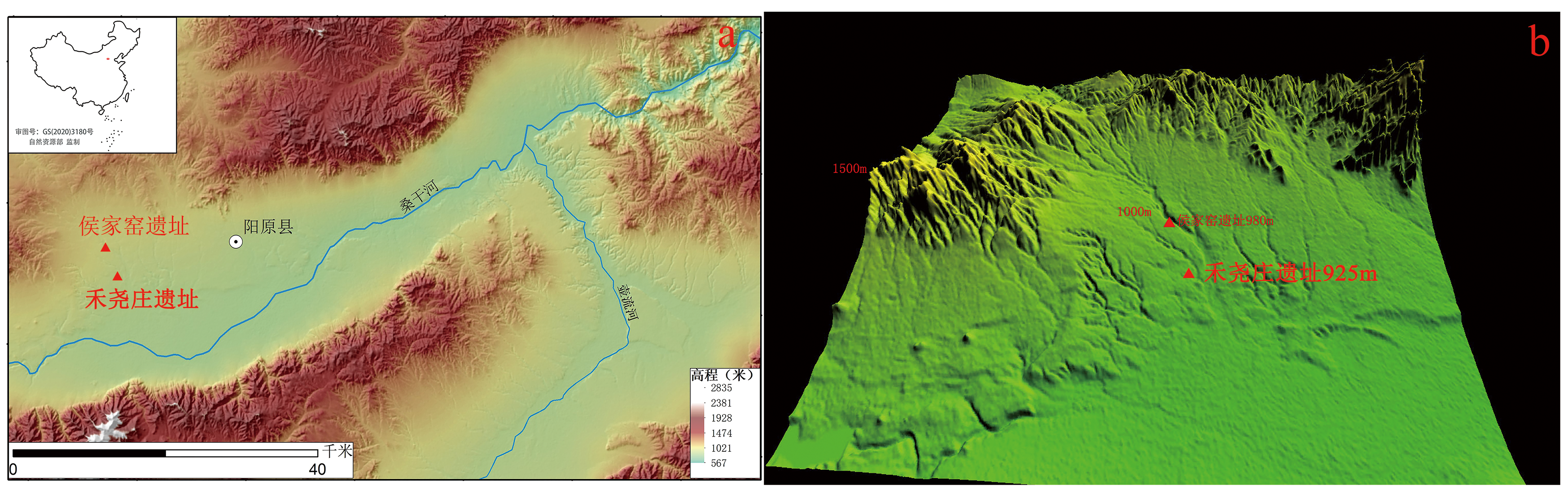
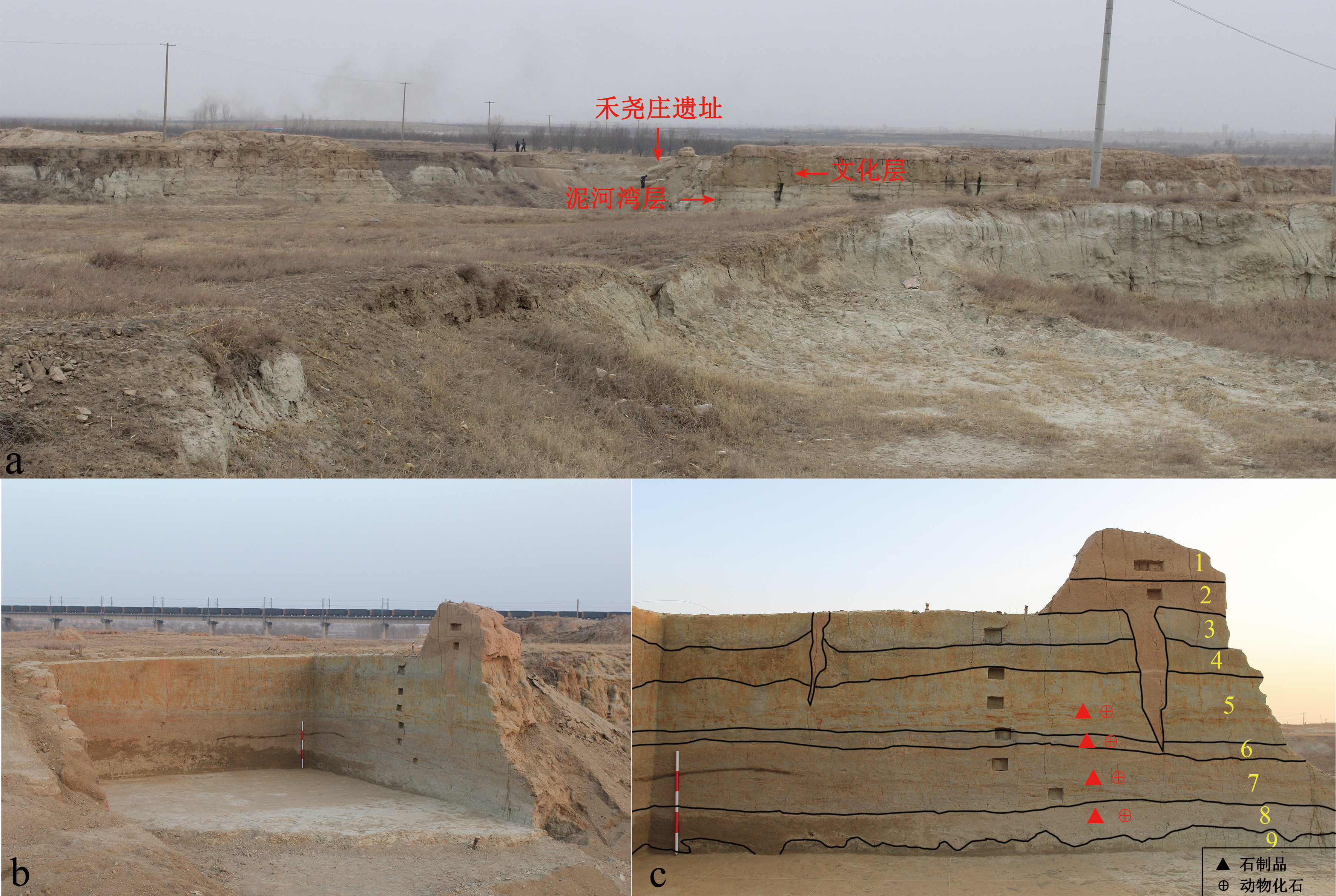
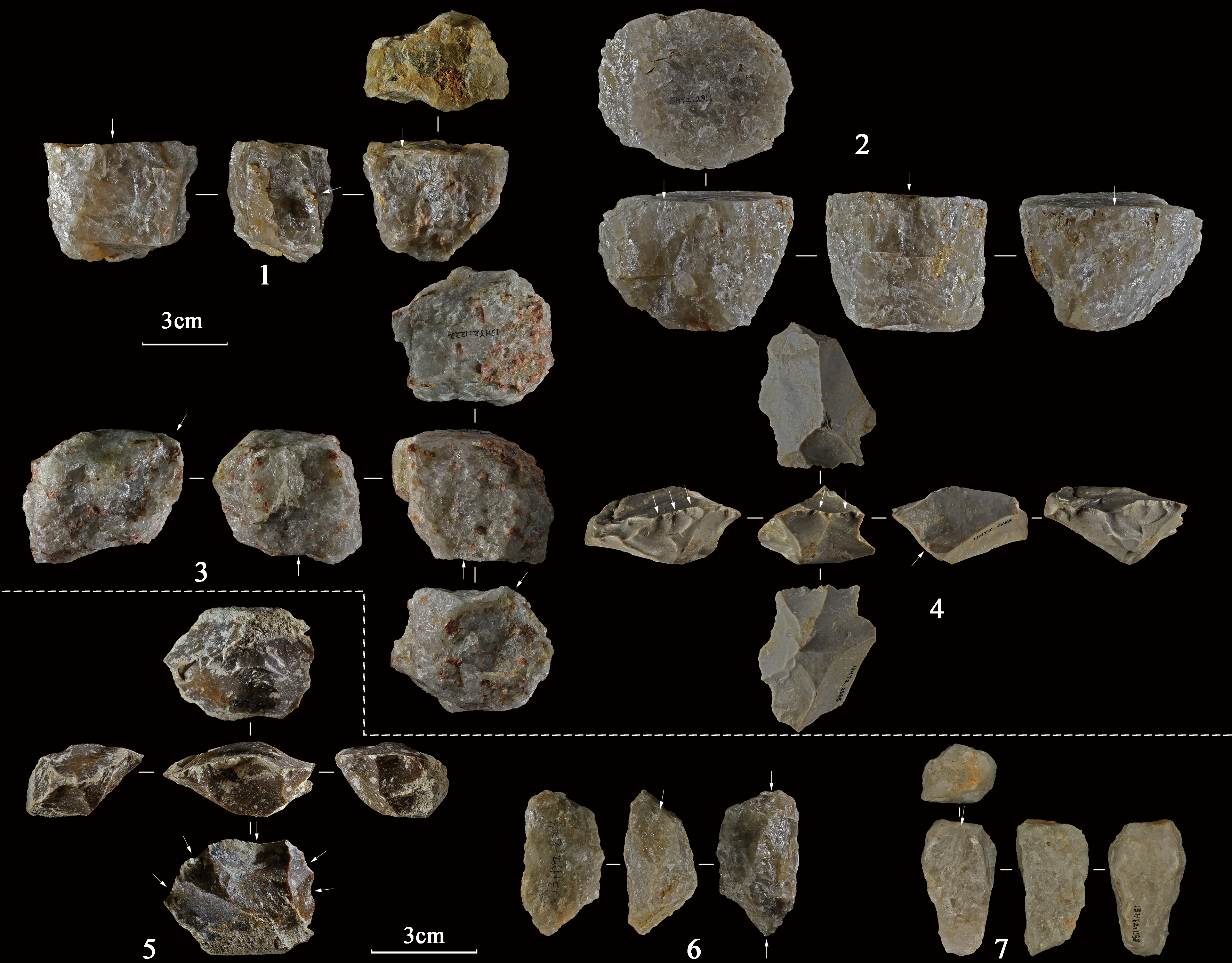
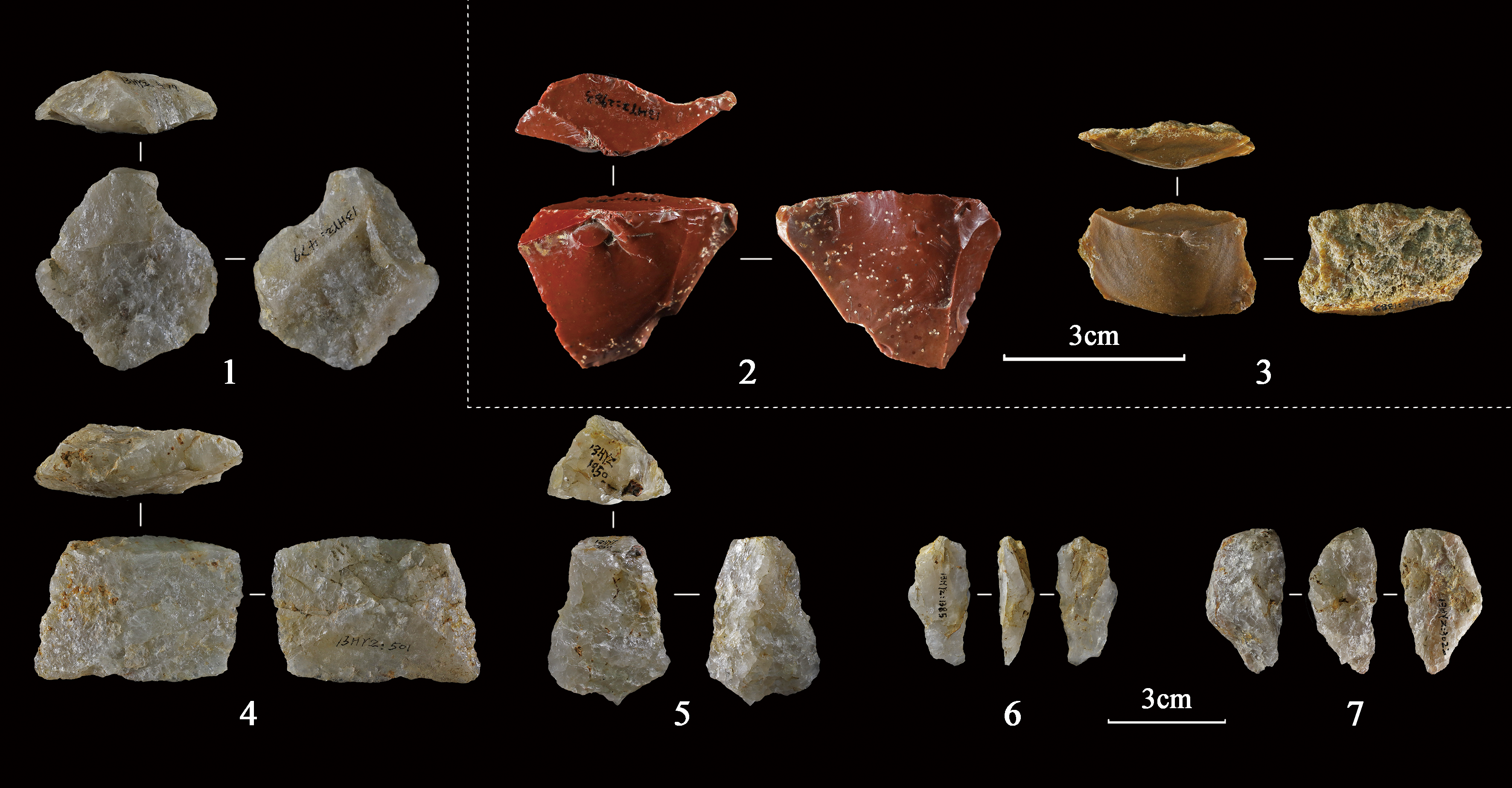
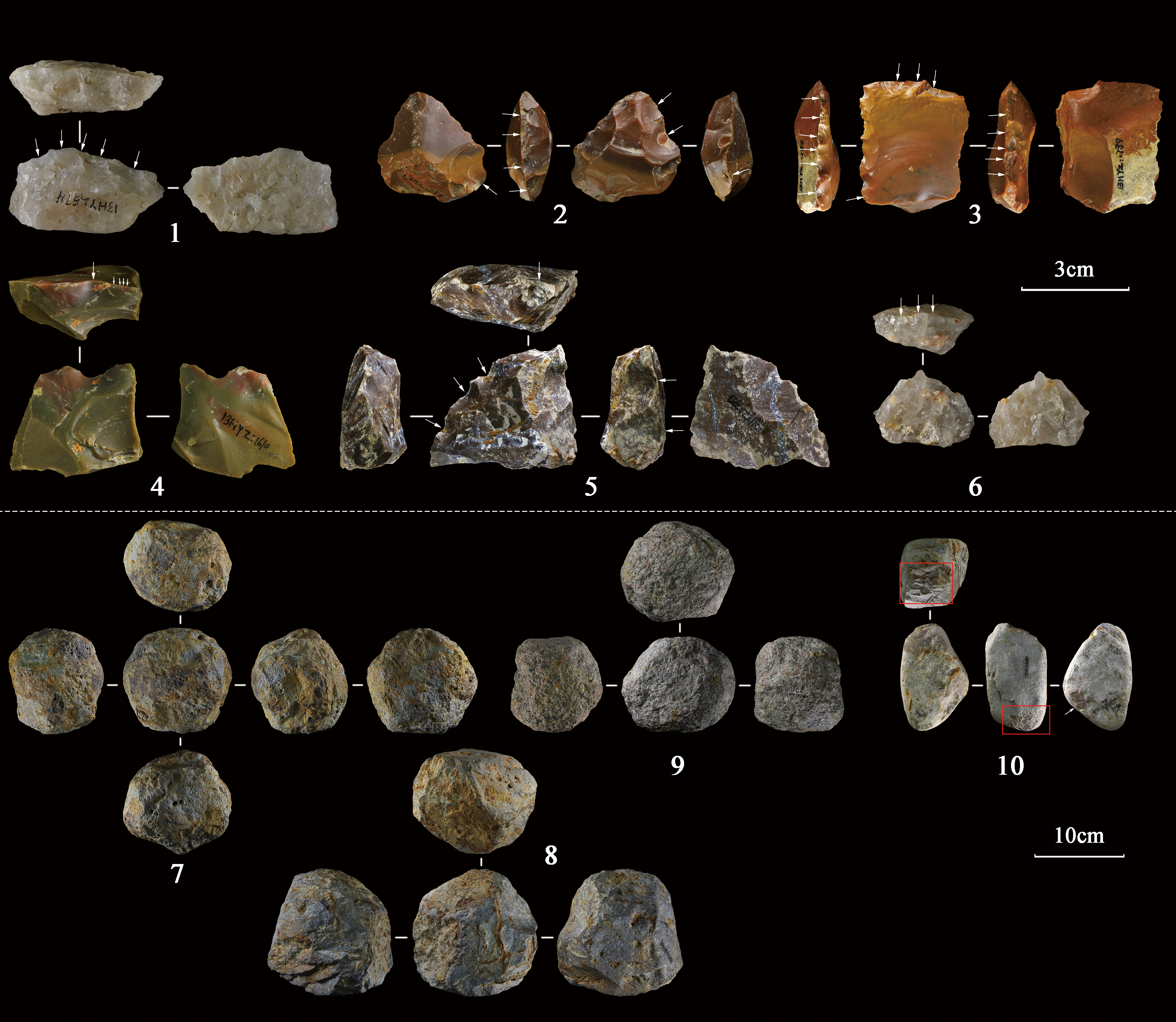
禾尧庄遗址位于泥河湾盆地西缘,2013年发掘约30平方米,发现石制品1000余件以及丰富的古脊椎动物骨化石。石制品原料种类比较丰富,以脉石英为主,有一定数量的燧石、玛瑙等优质石料,应该为就地取材。石制品尺寸以小型的为主,其次为微型和中型的,大型的数量特别少,不见巨型。类型包括自然砾石、石锤、石核、石片、石器、残片、断块等。剥片以锤击法为主,存在比较高比例的砸击技术制品,发现一定数量的原始棱柱状石核,具有较高的剥片效率。石器类型包括刮削器、锯齿刃器、尖状器、凹缺器、石钻、石球等,刮削器数量最多,有一定数量的石球。总体而言,禾尧庄石制品组合属石片石器技术传统,可归入中国北方小石器技术体系。该遗址距今12万~14万年,填补了泥河湾盆地中更新世晚期向晚更新世转变时期的古人类文化的空白,进一步完善了盆地内古人类的文化序列。与同处盆地西缘稍早的侯家窑遗址在石制品原料、剥片方式、尺寸、石器类型与加工方式等方面存在较多的相似性,特别是也有比较丰富的石球发现,为探讨石器技术的发展演变,石球的生产、功能与古人类的生计方式等提供了关键材料。

关键词: 泥河湾, 禾尧庄遗址, 旧石器, 小石器, 石球

Abstract:

The Heyaozhuang site is located on the western edge of Nihewan Basin. In 2013, the Hebei Provincial Institute of Cultural Relics and Archaeology carried out excavations at the Heyaozhuang site, covering an area of 30 m2. A total of more than 1000 stone artifacts and animal fossils were founded at this site. The raw materials for stone artifacts are relatively abundant. Quartz is the main raw material of the stone artifacts, a certain quantity of high-quality lithic raw materials including flint and agate was recovered, indicative of local sourcing. Hammering is the main method for stripping,,with a relatively high proportion of artifacts using the bipolar percussion technique. But the presence of prismatic cores suggest some efficiency of organization in the reduction sequence, reflecting a progressive aspect of core-flake industry. The artifacts were predominantly small, followed by micro and medium ones; large ones were extremely rare, and giant ones were absent. The artifacts include gravels, hammers, stone cores, flakes, tools, fragments and chunks. There is a low proportion of tools. Scraper was the dominant tool type, along with a small number of denticulates, points, notches, borers and spheriods, which pertain to the tradition of core-flake technology in northern China. The age of Heyaozhuang site is 120~140 ka before present, which fills the gap in the Paleoanthropological cultural record of the Nihewan Basin during the transition from the late Middle Pleistocene period to the Late Pleistocene period, and further enriches and improves the cultural sequence of Paleoanthropological activities within the basin. The Heyaozhuang and Houjiayao sites are located in the same region but differ in age. Their lithic assemblages and stone tool technologies share broad similarities while displaying distinct characteristics, providing key materials for exploring the technological inheritance and development, the evolution of subsistence patterns, and the interrelationships among human groups during the Middle Paleolithic period. The Heyaozhuang site and the Houjiayao site share similar main characteristics but also exhibit some differences. Although the Heyaozhuang site is younger in age, it lacks the more advanced short-bodied end scrapers, burins, and other stone tool types found at the Houjiayao site. Meanwhile, Heyaozhuang site contains relatively abundant denticulate tools and notched scrapers that are absent at Houjiayao site. Whether these differences are attributed to the chronological sequence of the sites or to variations in human groups and subsistence strategies constitutes a highly intriguing research topic. It shares considerable similarities with the Houjiayao site, also located on the western margin of the Nihewan Basin, in terms of lithic raw material selection, stripping methods, lithic artifact dimensions, tool categories and retouching techniques. Notably, spheriods are abundant at both sites, which provides a typical case for investigating the development and evolution of lithic technology, the production and function of spheriods, and the subsistence strategies of Paleoanthropologists.

Key words: Nihewan, Heyaozhuang site, Paleolithic, core-flake industry, spheriods

中图分类号: